A Gallup poll of 1,000 Americans conducted in May–June shows near-record distrust, with almost 90% saying government corruption is widespread, highlighting bipartisan frustration with U.S. political institutions and leaders.
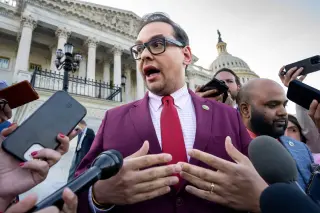
Former Rep. George Santos agreed to pay $35,000 to settle Commodity Futures Trading Commission charges alleging manipulative activity in Kalshi prediction-market bets about his State of the Union attendance, including $17,500 in profits he will surrender and a three-year trading ban; Santos was expelled from Congress in 2023 and later had his prison sentence commuted by President Trump.
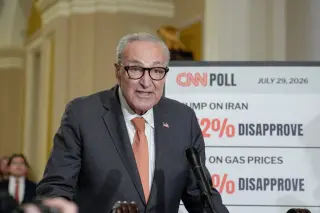
Senate Minority Leader Chuck Schumer plans to introduce legislation to create a new federal Anti-Corruption Bureau with broad investigative powers, aiming to tackle corruption across administrations (including the Trump era) and potentially absorb existing watchdogs, as part of Democrats’ midterm agenda, though the proposal faces significant hurdles in a divided Senate.
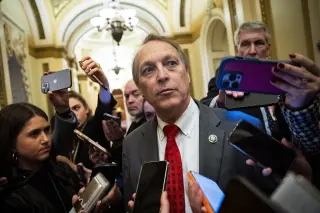
The Washington Post revisits a 2013 effort to crack down on a polygamist group’s local police force in rural Arizona, noting then-state Senate President Andy Biggs faced criticism for blocking reforms. As Biggs pursues the GOP nomination for Arizona governor, critics argue his past handling of corruption and abuse cases could complicate a swing-state campaign.
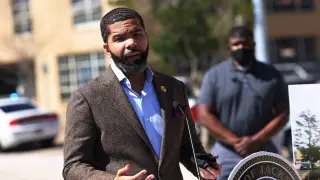
Ex-Jackson, Miss. mayor Chokwe Antar Lumumba pleaded guilty to one conspiracy count in a six-figure real-estate bribery scheme after accepting tens of thousands of dollars from individuals he believed to be developers but who were undercover FBI agents; DA Jody Owens has also pleaded guilty, Lumumba served as mayor from 2017 to 2025 and lost reelection in 2025, and both men face sentencing in October with potential prison time.
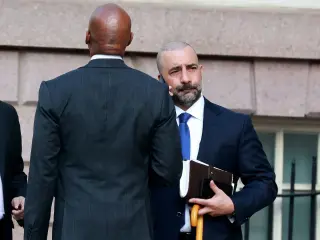
Former New York City mayor Eric Adams’s chief of staff Frank Carone, his brother Anthony Carone, and two others were indicted on bribery, wire fraud and obstruction charges in a case alleging they steered federal funds for emergency migrant housing to a Queens hotel. The indictment says $120,000 was paid to Carone via his brother’s law firm to secure a multimillion-dollar shelter contract for the Microtel Inn by Wyndham, part of a federal grant program to house migrants; Carone’s lawyers say the evidence is circumstantial and he helped navigate the migrant crisis, not grant the contract.
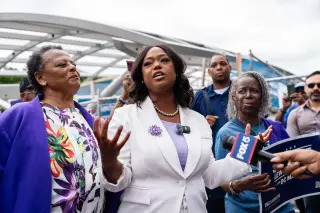
The District’s Office of Campaign Finance fined mayoral candidate Janeese Lewis George’s campaign $16,000 after investigators found improper coordination with labor unions and an independent expenditure committee that spent about $1 million supporting her; the union-backed group Safe & Affordable DC was fined $4,000. Lewis George’s campaign denies wrongdoing and plans to appeal the ruling.
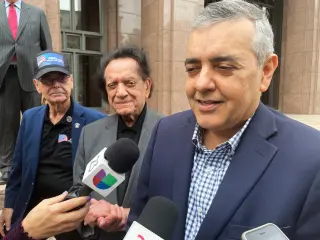
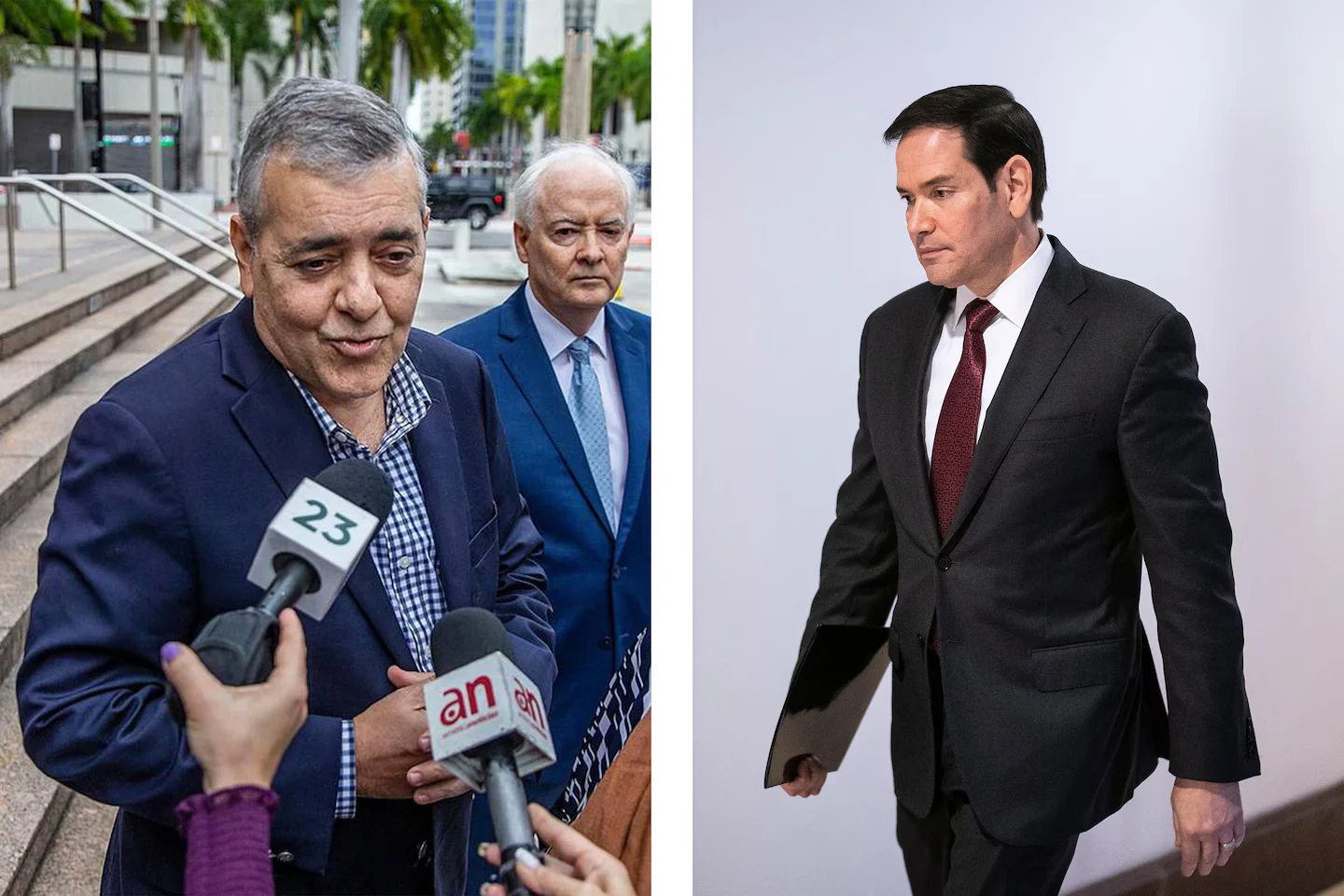
A former Florida congressman and Rubio ally, David Rivera, was found guilty of participating in a secret $50 million campaign to lobby U.S. officials on behalf of the Venezuelan government; prosecutors alleged the contract aimed to influence the Trump administration, with high-profile witnesses testifying and Rubio saying he was unaware of Rivera's contract.
Sen. Marco Rubio is set to testify against his former confidant, ex-rep. David Rivera, in a federal trial over Rivera’s alleged secret lobbying for Nicolás Maduro’s Venezuelan government as an unregistered foreign agent, a saga that underscores their long-running Miami political partnership and Rivera’s controversial past.
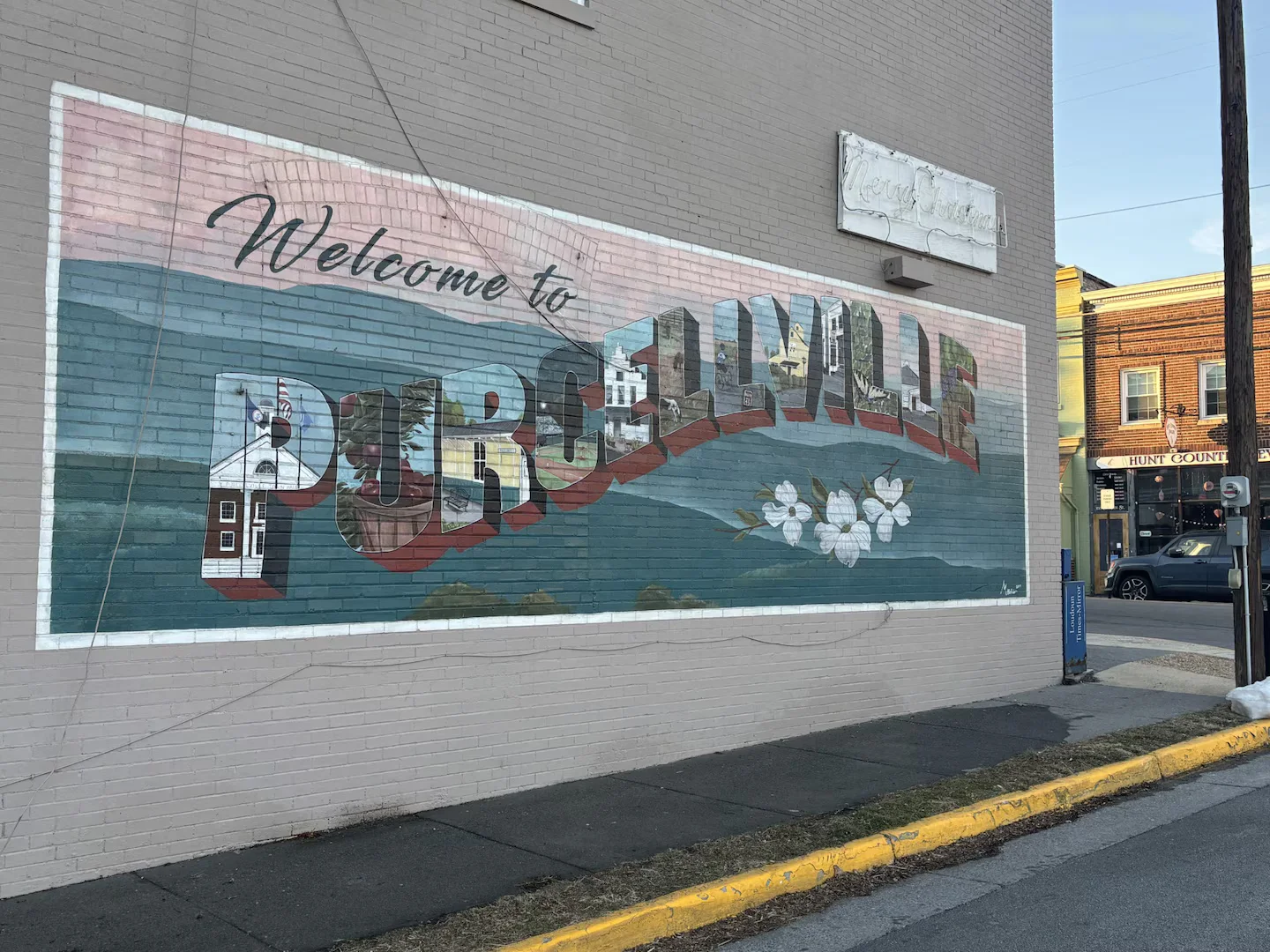
In Purcellville, Virginia, a clash between a growth-friendly faction and residents wary of rapid change has fractured the town. A recall targets four council members including the mayor, while lawsuits and felony charges accompany a broader fight over development and governance, sparking tense public meetings and a microcosm of national-style political divides.
South Korea's ousted President Yoon Suk Yeol allegedly plotted to impose martial law to eliminate rivals and consolidate power, with investigations revealing plans to incite military provocations against North Korea and manipulate political institutions, leading to his impeachment and ongoing legal proceedings.
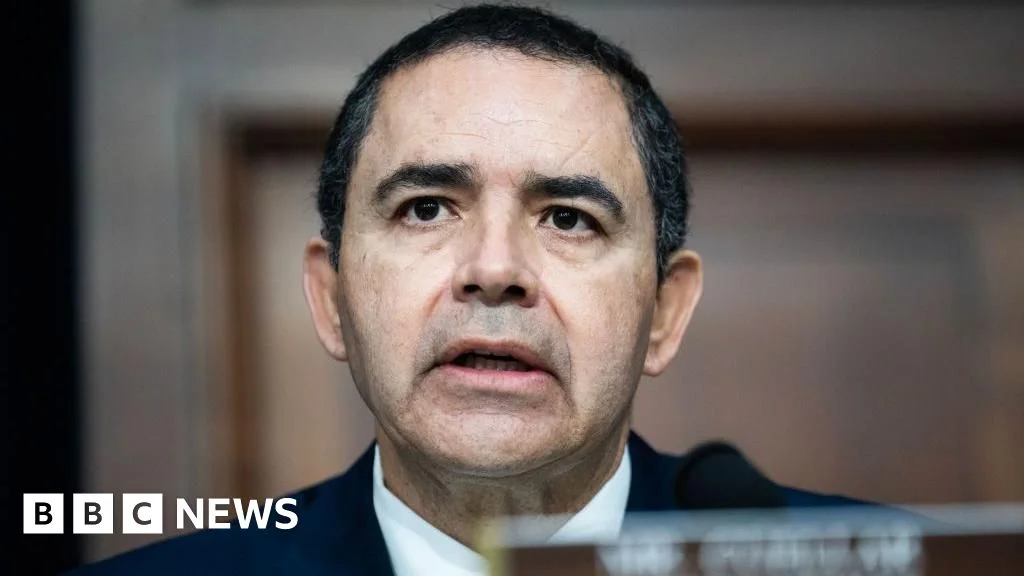
President Donald Trump announced he will pardon Democratic Congressman Henry Cuellar, who was charged with accepting bribes and other crimes, claiming the charges were politically motivated. Cuellar, a moderate Democrat from Texas, maintains his innocence and recently filed for re-election. The case involves allegations of foreign influence and money laundering, but Trump has expressed support, suggesting Cuellar was targeted for speaking out on immigration issues. This is part of Trump's broader pattern of issuing pardons for various political and financial crimes.
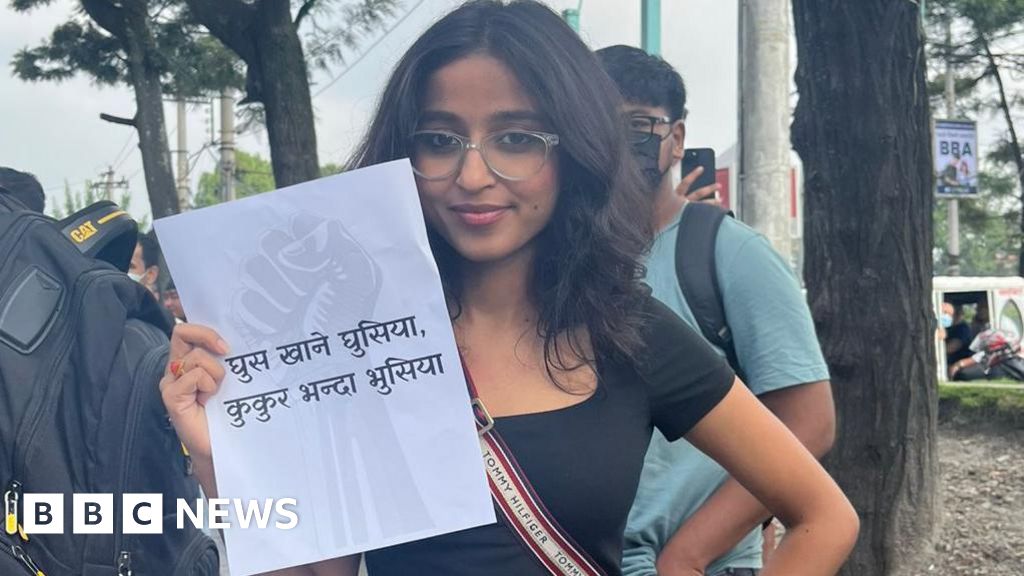
Nepal's Gen Z protesters successfully brought down the government within 48 hours through mass protests that turned violent, resulting in 72 deaths and significant destruction, driven by anger over political corruption, inequality, and resource exploitation, marking a political awakening for Nepal's youth despite the heavy toll.
Former California Assembly Press Secretary Cynthia Moreno filed a lawsuit accusing Assembly Speaker Robert Rivas of retaliation, political corruption, and violating laws after she reported unethical conduct involving Rivas and his brother Rick, including misuse of funds and influence peddling, leading to her firing and allegations of broader illegal activities.
Ecuador's youngest mayor, 27-year-old Brigitte García, was found shot dead in a rental car along with her communications director, Jairo Loor, in what police believe to be a criminal action. The incident has prompted a national outcry, with former President Rafael Correa expressing disbelief and the Ecuadorian Ministry of Government vowing to use all force of the State to bring the perpetrators to justice. The country has been grappling with a surge in violence at the hands of armed gangs, leading to a state of emergency declaration in January. García, a member of the left-wing Citizen Revolution Party, had been working on a clean drinking water project for her city.