
US Officials Dismiss Cyberattack Fears Behind Tech Outages, Cite Aging Infrastructure
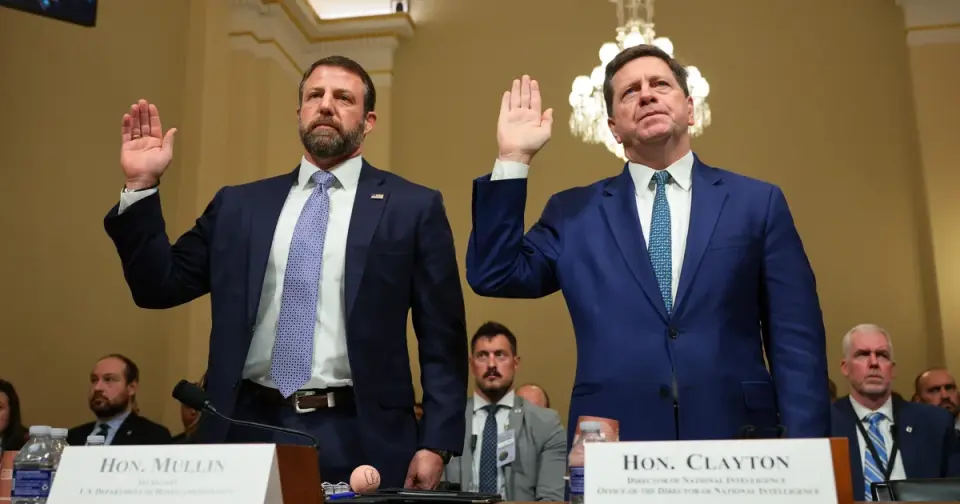
Top US national security officials testified to Congress on November 18 that recent widespread technology outages affecting airlines, banks, and government systems are not the result of a coordinated cyberattack. Instead, they attributed the disruptions to routine maintenance, technical updates, and the strain of rapid technological advancement on aging infrastructure. While officials expressed high confidence in their assessment, lawmakers pressed for clearer explanations regarding specific incidents, including an outage at the National Security Agency. The testimony also addressed rising concerns about Iranian threats and the impact of artificial intelligence on cybersecurity vulnerabilities.
Key points
- Homeland Security Secretary Markwayne Mullin, Director of National Intelligence Jay Clayton, and FBI Deputy Director Christopher Raia stated there is no evidence linking recent outages to malicious cyberattacks.
- Officials attributed the disruptions to separate incidents involving maintenance, technical changes, and the rapid pace of AI-driven software updates overwhelming legacy systems.
- Lawmakers, including Rep. Dan Goldman, challenged the administration's explanations for the National Security Agency outage, questioning whether it resulted from internal software updates or external interference.
- Clayton warned that advances in computing power are making older government technology systems obsolete more quickly, increasing vulnerability to both technical failures and cyber threats.
- Officials acknowledged increased Iranian threats, including potential dirty bomb or chemical weapons plots, but noted that intelligence reporting does not necessarily confirm operational capabilities.
Background
This testimony follows a series of major technology outages in mid-November 2026, including a nationwide FAA ground stop, Microsoft service disruptions, and issues at major banks and the NSA. Previous coverage indicated that while officials dismissed fears of a coordinated attack, experts and critics raised concerns about the administration's transparency and the vulnerabilities created by rapid AI integration into aging infrastructure.
How outlets are covering it
CBS News and CNN reported that officials emphasized the lack of digital hallmarks of a cyberattack, with Clayton stating the outages were 'not a coordinated or state-sponsored attack.' The New York Times highlighted public anxiety and the perception that the nation's digital infrastructure is failing, questioning whether the issues stem from aging systems or other causes. Axios provided a broader context, noting that AI is both identifying vulnerabilities faster and enabling new forms of cyberattacks, leading to a period of heightened disruption. While officials focused on technical explanations, lawmakers like Rep. Dan Goldman and Rep. Bennie Thompson pressed for more definitive answers and criticized the administration's response, particularly regarding the NSA outage and Mullin's decision to fly to a football game during the FAA crisis.
Why it matters
The recent tech outages have raised significant concerns about the resilience of US critical infrastructure, including aviation, banking, and national security communications. The testimony highlights the challenges of maintaining aging systems in the face of rapid technological advancements and AI-driven changes. It also underscores the ongoing tensions between the administration and Congress over transparency and the handling of security threats, particularly regarding Iran and domestic cybersecurity vulnerabilities.
What to watch
The FBI and DHS will continue to monitor potential threats and work with private-sector partners to address cybersecurity issues. Lawmakers may continue to press for more detailed explanations of specific outages, particularly the NSA incident. The administration is expected to focus on modernizing legacy systems and addressing the vulnerabilities exposed by AI-driven changes, while also enhancing efforts to counter Iranian threats and domestic terrorism.
- "No indication" recent outages are related to coordinated cyberattacks, officials say CBS News
- After Days of Digital Outages, Americans Wonder if the Country Is Breaking The New York Times
- Trust, but prepare: How to make sense of AI's age of upheaval Axios
- US intel chief says recent tech disruptions aren’t due to ‘a state-sponsored attack’ CNN
- What on Earth Is Going On? The Atlantic
Want the full story? Read the original reporting
Read on CBS News