
The 'Costco Effect': How Proximity to Wholesale Clubs Is Reshaping U.S. Housing Choices
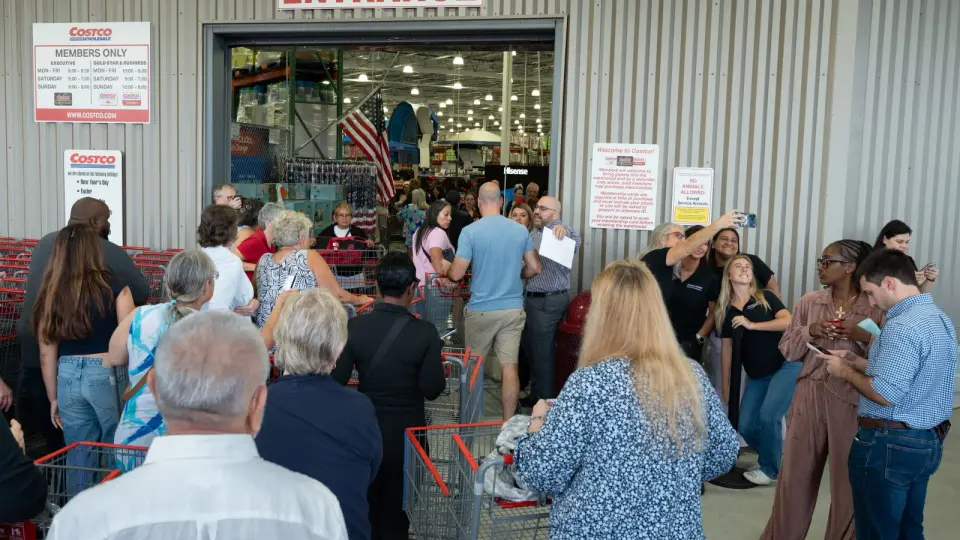
A growing number of American renters and homebuyers are prioritizing proximity to Costco warehouses in their housing searches, a trend dubbed the 'Costco effect.' This shift is driven by the desire for convenience, access to bulk goods, and food court meals. Real estate agents and developers are adapting by highlighting warehouse proximity in listings and even building apartments directly above stores. While traditional factors like schools remain paramount, the ease of accessing discounted items and gas has become a significant lifestyle amenity for many households.
Key points
- The 'Costco effect' refers to the trend where proximity to a Costco warehouse influences where people choose to live, often rivaling traditional factors like school districts.
- Real estate agents report that the ideal distance is typically 5 to 15 minutes, balancing convenience with the avoidance of delivery truck noise and traffic.
- In Los Angeles, developers are constructing hundreds of apartments directly atop Costco warehouses to capitalize on this demand.
- Zillow data indicates that approximately 3% of active listings in ZIP codes with a Costco explicitly mention the store as a selling point.
- Some buyers use specialized tools, such as custom search filters on real estate websites, to find homes within a specific radius of a warehouse.
- The closure of a local warehouse in Kansas City, Missouri, to become a business center has forced nearby residents to travel 25 minutes for traditional shopping, highlighting the impact of proximity loss.
Background
This trend emerges against a backdrop of a stagnant U.S. housing market in 2026, where high mortgage rates near 7.6% have frozen seller activity and collapsed buyer demand. Additionally, home prices, while dropping slightly year-over-year, remain 60% higher than a decade ago, making affordability a critical concern. Concurrently, homeowners are installing 'Costco doors' to facilitate bulk unloading, reflecting a broader cultural integration of wholesale shopping into daily domestic life. The return of limited-time items like churros also underscores the emotional and habitual connection consumers have with the brand.
Why it matters
The 'Costco effect' signals a shift in how Americans value convenience and cost-efficiency in their living environments. As housing affordability becomes increasingly strained, the ability to save money on groceries and gas through bulk purchasing is a tangible financial benefit that influences location decisions. For real estate professionals, this represents a new marketing avenue, treating a warehouse club as a lifestyle amenity similar to a park or school. For developers, it drives innovative construction projects, such as mixed-use developments above warehouses. Ultimately, this trend reflects a broader consumer desire for efficiency and value in an era of economic uncertainty and high living costs.
What to watch
Expect more real estate listings to explicitly highlight proximity to major retail hubs like Costco and H-E-B. Developers may continue to pursue mixed-use projects that integrate residential units with commercial spaces to cater to this demand. Real estate platforms may introduce more sophisticated filtering tools based on retail proximity. As more warehouses convert to business centers or close, communities may experience 'Costco envy' and potential disruptions in local shopping habits, potentially influencing future zoning and retail development decisions.
Want the full story? Read the original reporting
Read on USA Today