
Billionaires Demolish $100M Mansions to Secure Prime Land
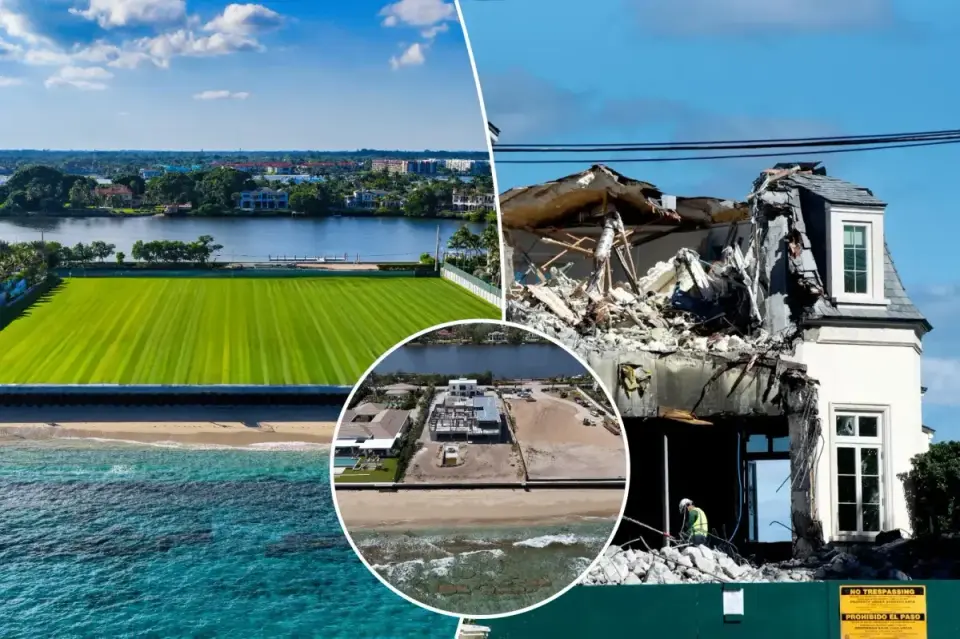
Ultrawealthy buyers are purchasing high-value mansions solely to demolish them, prioritizing prime land over existing structures. Notable examples include William Lauder’s $155 million purchase of Rush Limbaugh’s Palm Beach estate, which was razed within months. David MacNeil has similarly demolished multiple properties in Manalapan to consolidate oceanfront lots. This trend is reshaping luxury markets, with agents marketing intact homes as redevelopment opportunities. While some argue the environmental cost is significant, others note that demolition materials are often recycled or donated.
Key points
- William Lauder paid $155 million for Rush Limbaugh’s 24,000-square-foot Palm Beach mansion in March 2023, only to demolish it four months later.
- Lauder previously demolished two other oceanfront homes in Palm Beach, including one just six years old, and sold the cleared lots for nearly $200 million in 2025.
- WeatherTech founder David MacNeil demolished two homes in Manalapan, Florida, combining them into a 3.5-acre oceanfront lot sold for $105 million in April 2026.
- MacNeil also demolished a 9,000-square-foot home adjacent to his residence, planning to replace it with a fitness center and green space.
- Oracle co-founder Larry Ellison and MacNeil split a 4-acre waterfront parcel in Manalapan for $67 million, previously earmarked for a $285 million megamansion.
- In Houston’s Bunker Hill Village, over 15% of home listings include terms like 'rebuild' or 'land value,' indicating a broader trend.
Background
This trend reflects a shift in luxury real estate where land value supersedes architectural heritage. Previous archive articles may have covered individual high-profile sales, but the current wave of demolitions in Palm Beach and Manalapan highlights a systemic change in how billionaires approach property acquisition.
How outlets are covering it
The New York Post and The Wall Street Journal emphasize the financial and strategic motivations behind these demolitions, highlighting the scarcity of prime oceanfront land. The Wall Street Journal notes that agents are marketing intact homes as redevelopment opportunities, suggesting a market shift. In contrast, environmental consultants like William Paddock raise concerns about the carbon footprint of such demolitions, while contractors like Robert Burrage argue that recycling and donation mitigate environmental impact. The Harici source, while not directly related to the teardown trend, provides context on broader economic and technological shifts affecting the US, including AI risks and inflation, which may indirectly influence luxury real estate markets.
Why it matters
This trend signals a fundamental shift in luxury real estate, where land value and redevelopment potential outweigh architectural or historical significance. It raises questions about environmental sustainability and the long-term impact on prime real estate markets. Additionally, it reflects the increasing concentration of wealth and the willingness of billionaires to invest in land consolidation for future development or personal use.
What to watch
Expect continued demolitions in prime locations as billionaires seek to consolidate land for new developments. The market may see more listings marketed as redevelopment opportunities, and environmental concerns could lead to increased scrutiny of demolition practices. Additionally, the trend may influence local zoning and development regulations in areas like Palm Beach and Manalapan.
- Billionaires are buying $100M mansions just to tear them down — all in 1 famed Florida enclave New York Post
- The Superrich Are Buying $100 Million Mansions Just to Tear Them Down WSJ
- The Nine-Figure Teardown | The Wall Street Journal - newspaper Magzter
- US wealthy demolish multimillion-dollar mansions for land Harici
- The raze race: Florida’s uber rich buy $100M-plus homes to bulldoze The Real Deal
Want the full story? Read the original reporting
Read on New York Post