
Peabody, Mass., Tops Realtor.com’s 2026 Hottest ZIP Codes as Northeast, Midwest Dominate
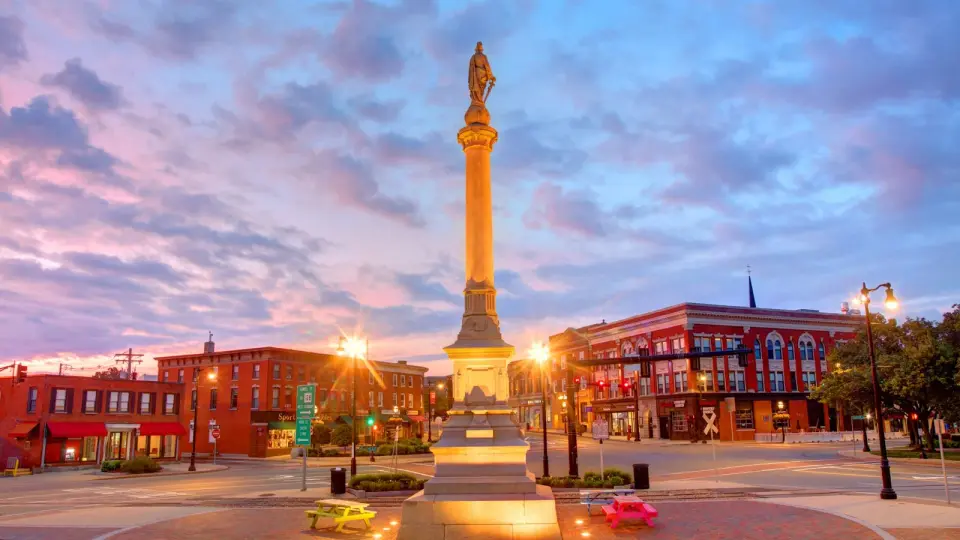
Peabody, Massachusetts, is the most in-demand ZIP code for U.S. homebuyers in 2026, according to Realtor.com. The list is dominated by Northeast and Midwest suburbs with limited inventory and higher-priced, spacious homes.
Key points
- Peabody, Massachusetts, ranked No. 1 with a median listing price of $600,000 and 4.09 times the U.S. average views per property.
- All 10 hottest ZIP codes are in the Northeast or Midwest, a trend continuing for the fourth consecutive year.
- Inventory in these top 10 ZIP codes is 60.5% below pre-pandemic levels, compared to 11.3% nationally.
- Buyers in these areas have higher average down payments (17.1% vs. 13.1% nationally) and median credit scores (766 vs. 747).
Background
Earlier coverage noted that mortgage rates rose to 6.65% in July 2026, cooling purchase demand, while high home prices and slim affordable inventory continued to weigh on the market. This year’s hottest ZIP codes reflect a shift toward established, higher-priced neighborhoods with limited supply.
How outlets are covering it
CNBC and NBC Boston both highlight Peabody’s top ranking, but CNBC provides a broader analysis of the Northeast/Midwest dominance and buyer financial profiles, while NBC Boston focuses on the local significance of Peabody’s rise. CNBC notes that the list has shifted from affordability-focused to higher-priced, value-oriented areas, whereas NBC Boston emphasizes the North Shore’s continued prominence.
Why it matters
The concentration of demand in Northeast and Midwest suburbs with limited inventory signals a market where financially prepared buyers are outcompeting others, potentially exacerbating affordability challenges for middle- and lower-income homebuyers.
What to watch
Monitor whether limited inventory and high buyer financial preparedness continue to drive demand in these regions, and watch for any shifts in mortgage rates or new construction that could alter the balance of supply and demand.
- The 10 most in-demand ZIP codes for homebuyers in 2026 CNBC
- Hottest ZIP codes in the U.S. for homebuyers in 2026, ranked qz.com
- These are America's hottest housing markets – see which areas made the list Fox Business
- The hottest ZIP code in the U.S. is … Peabody? Here's why NBC Boston
- These Are the 10 The Hottest Places to Buy a Home in the U.S. in 2026, According to Realtor.com Travel + Leisure
Want the full story? Read the original reporting
Read on CNBC