
Tech Outages Spark Surge in Mainstream Emergency Preparedness
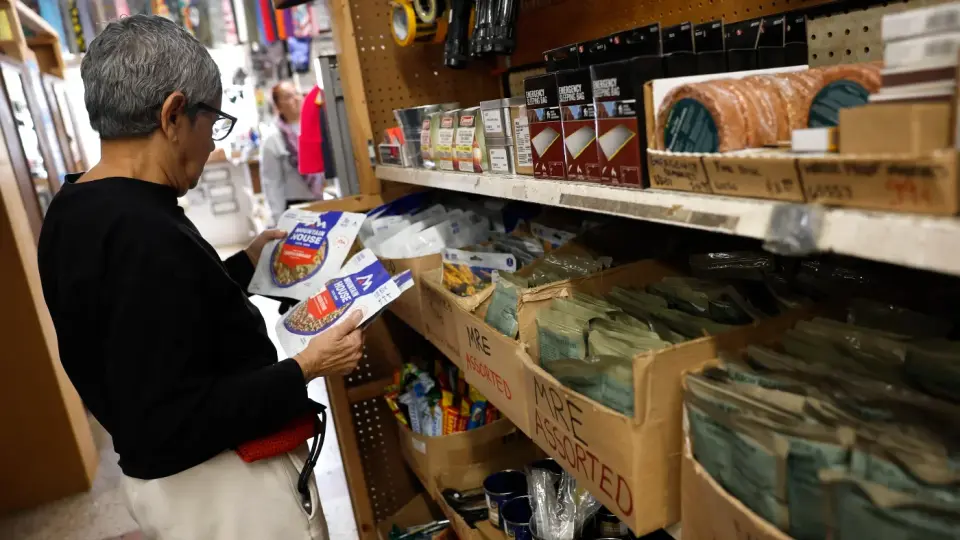
A series of recent US tech outages, including Microsoft and air traffic control failures, has driven a surge in emergency preparedness. While officials attribute the disruptions to aging infrastructure and AI-driven upgrades rather than cyberattacks, public anxiety has led to panic buying and a shift toward mainstream prepping. Experts warn against one-size-fits-all approaches, urging tailored risk assessment over apocalyptic stockpiling.
Key points
- Recent outages at Microsoft, Apple Pay, and US air traffic control sparked widespread public anxiety about infrastructure resilience.
- Officials confirmed the incidents were unrelated, caused by technical updates and legacy systems, not a coordinated cyberattack.
- Panic buying has driven up prices for items like MREs and emergency radios, with some products selling out within days.
- Prepper content creators report a tenfold increase in inquiries, including from younger generations, leading to new revenue streams.
- Former FEMA administrator Deanne Criswell advises against generalized prepping, urging individuals to assess local risks like wildfires or tornadoes.
- The UK government is urging citizens to prepare 72-hour emergency kits, citing vulnerabilities in the grid and digital infrastructure.
Background
This development follows earlier coverage in November 2026 that highlighted how digital disruptions and AI fears normalized emergency preparedness. Previous reports noted that while officials dismissed coordinated attack theories, public discourse shifted from niche survivalism to mainstream resilience, with sales of survival gear spiking significantly.
How outlets are covering it
NPR and The New York Times emphasize the commercial boom for prepper content creators and the shift in public behavior, noting that even non-traditional audiences are seeking advice. The Telegraph adopts a more alarmist tone, linking the outages to broader concerns about net zero policies and cyber vulnerabilities, while urging immediate grid resilience measures. VICE focuses on practical survival skills, highlighting the gap in basic competencies among younger generations. All sources agree that the outages were not a coordinated attack but differ on the urgency and nature of the response, with The Telegraph advocating for systemic policy changes and others focusing on individual preparedness.
Why it matters
The surge in prepping reflects a broader shift in public perception of infrastructure resilience, potentially influencing consumer behavior and policy discussions. It highlights the vulnerability of modern society to digital disruptions and the need for balanced, risk-based preparedness strategies to avoid panic-driven economic distortions.
What to watch
Expect continued monitoring of supply chain pressures for emergency supplies and potential policy responses from governments to enhance grid and digital infrastructure resilience. Public discourse may evolve as more data on the causes of the outages emerges, potentially shifting focus from individual prepping to systemic reforms.
- Being a prepper once came with a stigma. Recent outages are turning skeptics into believers NPR
- People Are Anxious About Major Tech Failures. Preppers Are Cashing In. The New York Times
- I’ve long been a rational pessimist but now I’m prepping for disaster The Telegraph
- 5 Basic Survival Skills You’ll Need if a Technology Apocalypse Actually Happens VICE
- How Am I Supposed to Survive the Apocalypse Without My Phone? GQ
Want the full story? Read the original reporting
Read on NPR