
AST SpaceMobile commits $1.3B to Firefly for engines in bid to launch own Blacklift rocket by 2028
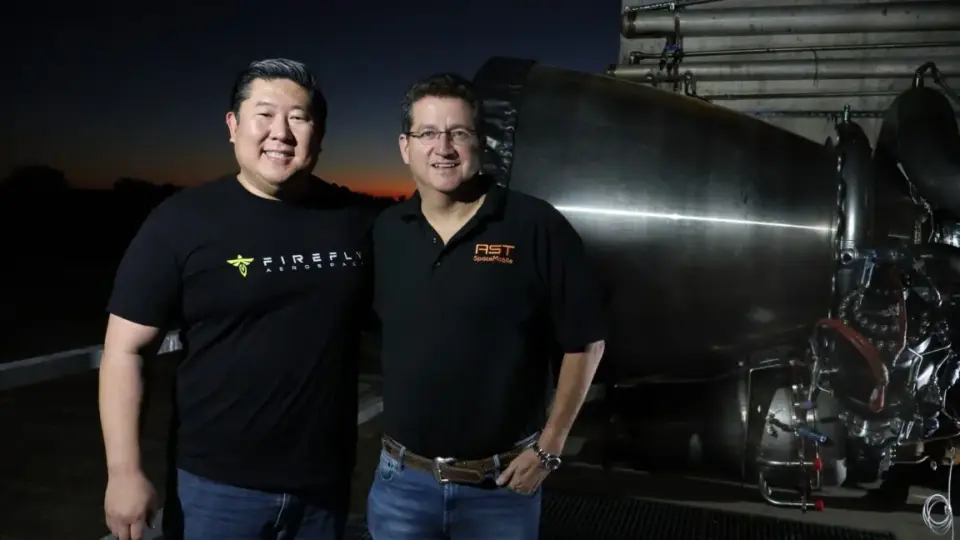
AST SpaceMobile announced it is developing a medium-lift rocket named Blacklift to secure launch capacity for its direct-to-cell satellite constellation. The company signed a $1.3 billion deal with Firefly Aerospace for engines and engineering support, targeting a commercial launch in late 2028. Critics note the timeline is highly optimistic compared to historical rocket development records, while the move highlights growing launch capacity shortages for satellite operators.
Key points
- AST SpaceMobile is developing a medium-lift rocket called Blacklift, capable of lifting 20 metric tons to low-Earth orbit, with a target commercial launch date of late 2028.
- The company signed a $1.3 billion agreement with Firefly Aerospace, including $800 million for engine licenses, $250 million for 36 engines (27 Miranda, 9 Vira), and $250 million for three years of engineering support.
- AST SpaceMobile aims to deploy approximately 90 additional BlueBird direct-to-cell satellites, though it already has contracts with SpaceX and Blue Origin for over 100 satellites by 2028.
- Firefly Aerospace stock rose 26.8% following the announcement, while AST SpaceMobile shares increased by 5%.
- Ars Technica argues the 2028 timeline is 'wildly optimistic' compared to historical development times of five to nine years for similar rockets, noting that procuring engines saves only one to two years of development.
Background
The launch market has faced increasing strain, with multiple major providers experiencing delays. Rocket Lab recently postponed its Neutron rocket debut to 2027 due to manufacturing defects, while Ariane, Blue Origin, and United Launch Alliance have faced grounding issues. Meanwhile, SpaceX has shifted focus to its larger Starship rocket, which achieved its first orbital flight in September 2026, potentially reducing availability for commercial payloads. These constraints have pushed satellite operators to seek alternative launch solutions or develop their own vehicles.
How outlets are covering it
Ars Technica criticizes AST SpaceMobile’s 2028 launch timeline as 'stupidly optimistic,' citing historical data that shows medium-lift rocket development typically takes five to nine years. The outlet questions the necessity of Blacklift given AST’s existing contracts for over 100 satellites. In contrast, Yahoo Finance highlights the financial windfall for Firefly Aerospace, noting the $1.3 billion deal as a significant revenue boost and a sign of investor confidence in the launch sector. SpaceNews reports the development neutrally, focusing on AST’s need for launch capacity due to delays from other providers. The sources differ in tone, with Ars Technica emphasizing technical skepticism and Yahoo Finance focusing on market reaction and financial implications.
Why it matters
This development signals a shift in the space industry where satellite operators are moving beyond relying solely on third-party launch providers. It reflects growing concerns about launch capacity shortages and the increasing cost and complexity of securing orbital access. The move by AST SpaceMobile, a non-traditional rocket developer, underscores the competitive pressure and strategic importance of vertical integration in the space sector.
What to watch
AST SpaceMobile will proceed with the development of the Blacklift rocket, utilizing Firefly’s Miranda and Vira engines. The company expects to begin commercial launches in late 2028, though this timeline remains subject to technical and regulatory challenges. Firefly Aerospace will continue to provide engineering support and engines, with potential future revenue from license fees as AST manufactures additional engines in-house. Investors will monitor the progress of Blacklift development and its impact on the broader launch market.
- AST SpaceMobile is so desperate for launch they're building their own rocket Ars Technica
- Why Firefly Aerospace Stock Went to the Moon Today Yahoo Finance
- AST SpaceMobile to develop own rocket using Firefly engines SpaceNews
- AST SpaceMobile to Build Own Rocket to Compete With SpaceX Bloomberg.com
- Firefly inks $1.3 billion deal to supply engines for new AST SpaceMobile 'Blacklift' rocket Reuters
Want the full story? Read the original reporting
Read on Ars Technica