
space-and-technology21.07 min read
SpaceX Achieves Historic Triple Launch and ISS Speed Record
4 days ago•Source: finance.yahoo.com

The latest space and technology stories, each synthesized from multiple sources with added background and context.
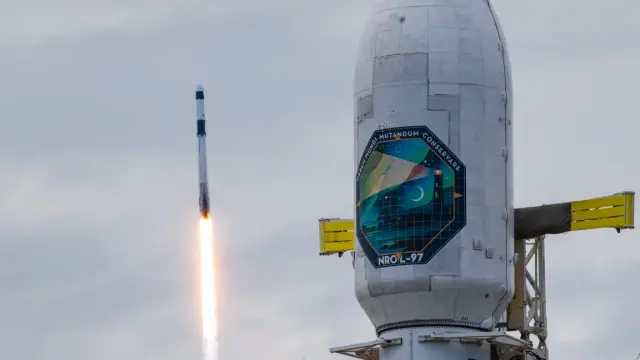
SpaceX successfully completed its 14th Starship test flight, achieving low-Earth orbit and deploying 26 new Starlink V3 satellites. This milestone coincides with a record-breaking 13-hour launch window for SpaceX, including the Crew-13 mission to the ISS. However, the success of Starship is accelerating the phase-out of Falcon 9 and Dragon, creating a potential launch capacity crisis for smaller satellite operators. Meanwhile, Rocket Lab secured its largest contract yet, and Blue Origin seeks approval for a significantly higher launch cadence.

Ars Technica•16 days ago
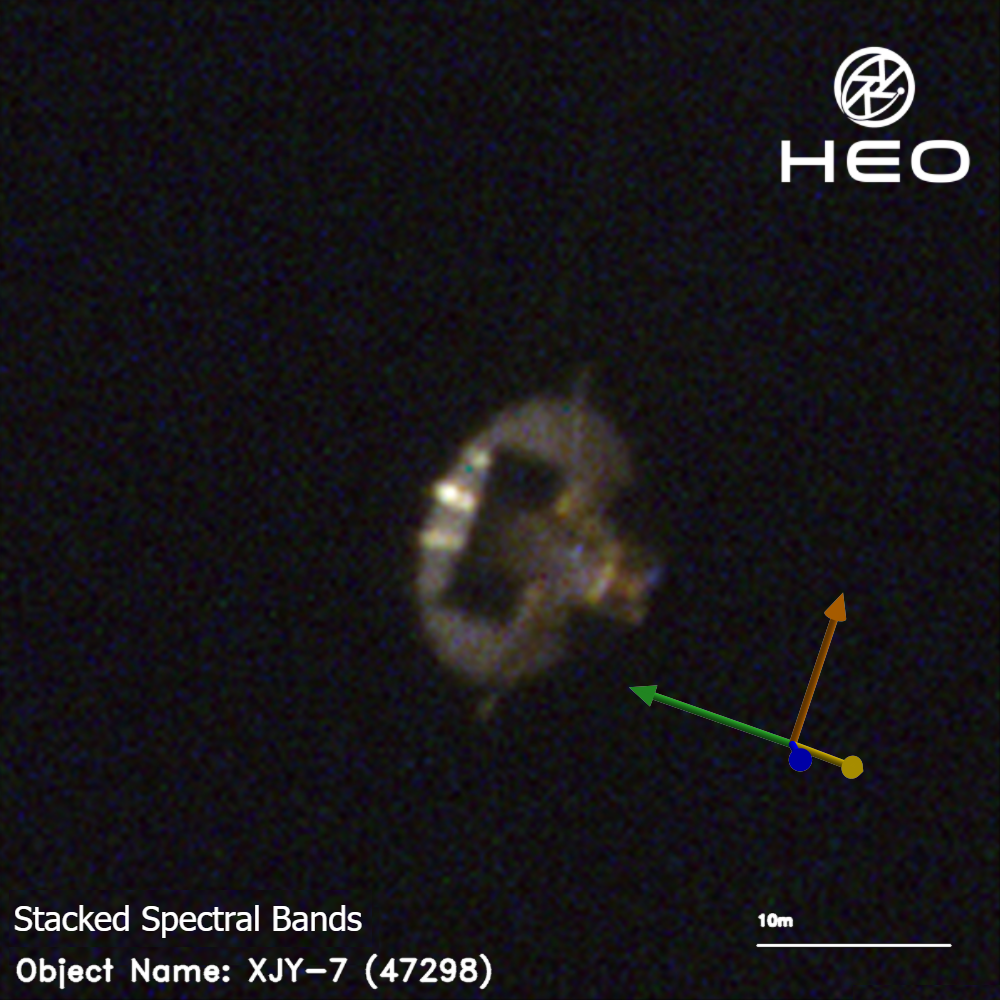
Australian company HEO used satellite-to-satellite imaging to uncover detailed features of China's XJY-7 satellite, revealing its configuration, behavior, and deployment details, enhancing understanding of space objects and their functions.
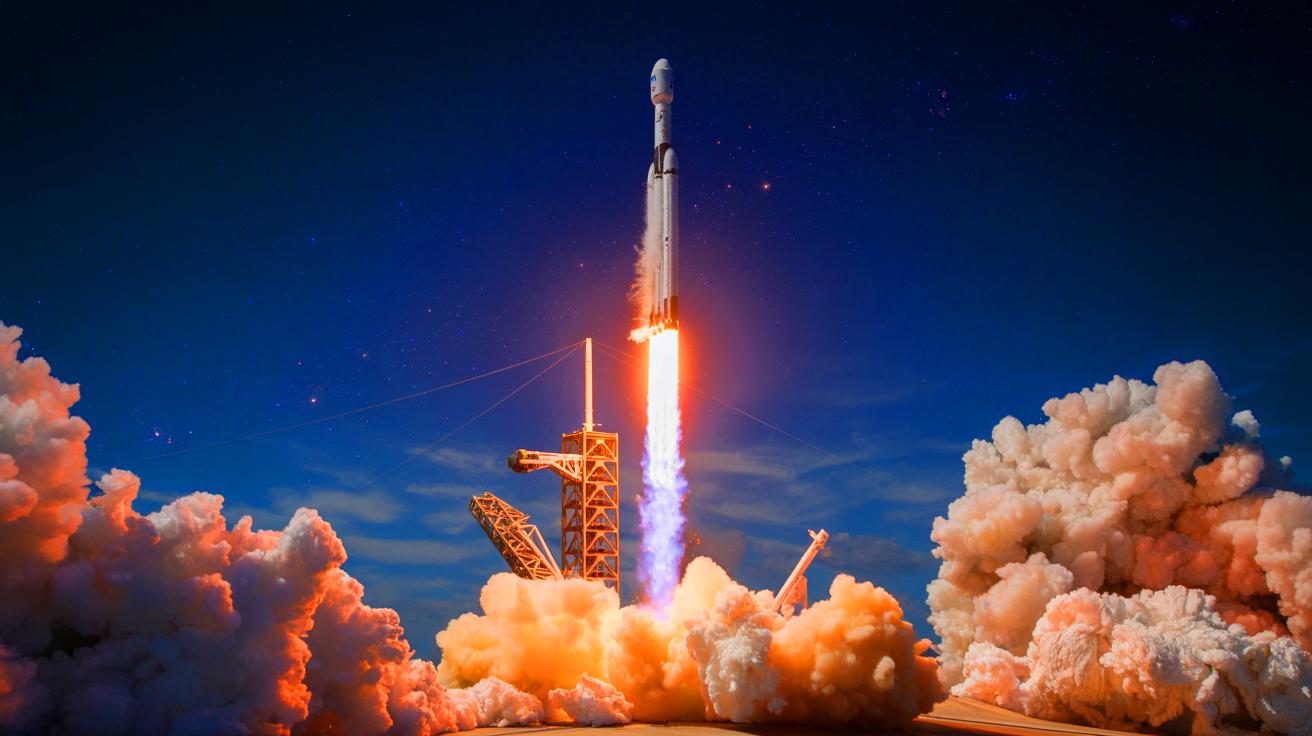
SpaceX celebrated its 500th Falcon rocket launch, marking a major milestone in space technology with successful deployment of 26 Starlink satellites, emphasizing reusability and cost-effectiveness, and expanding global connectivity. The achievement highlights the company's evolution from early failures to industry dominance, with a focus on innovative, reusable rockets and ambitious plans for future space exploration.
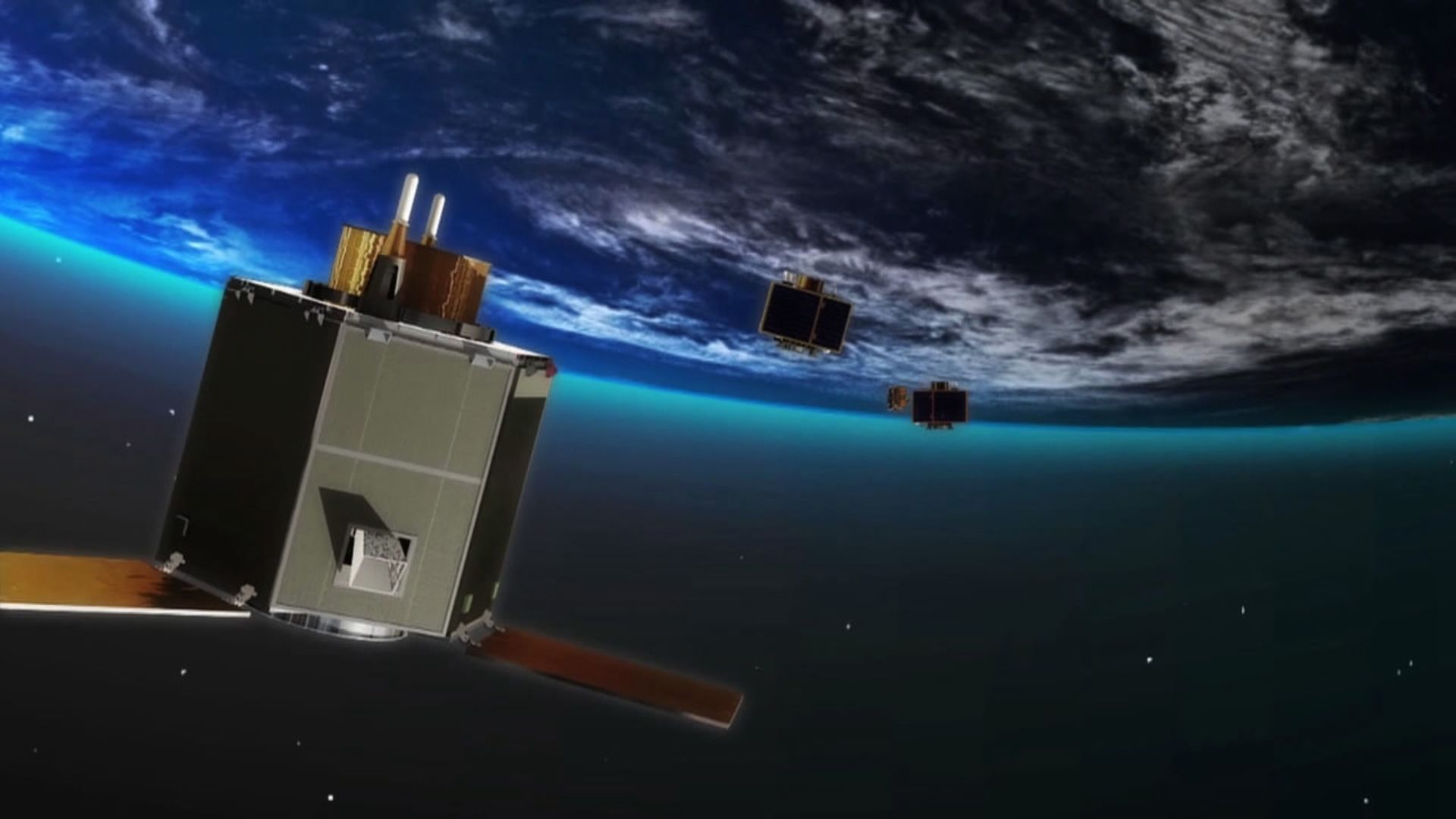
China successfully used its Jilin-1 satellite to track asteroid 1994 PC1 from 2 million kilometers away, demonstrating advanced space capabilities and raising concerns in the US about potential military applications.
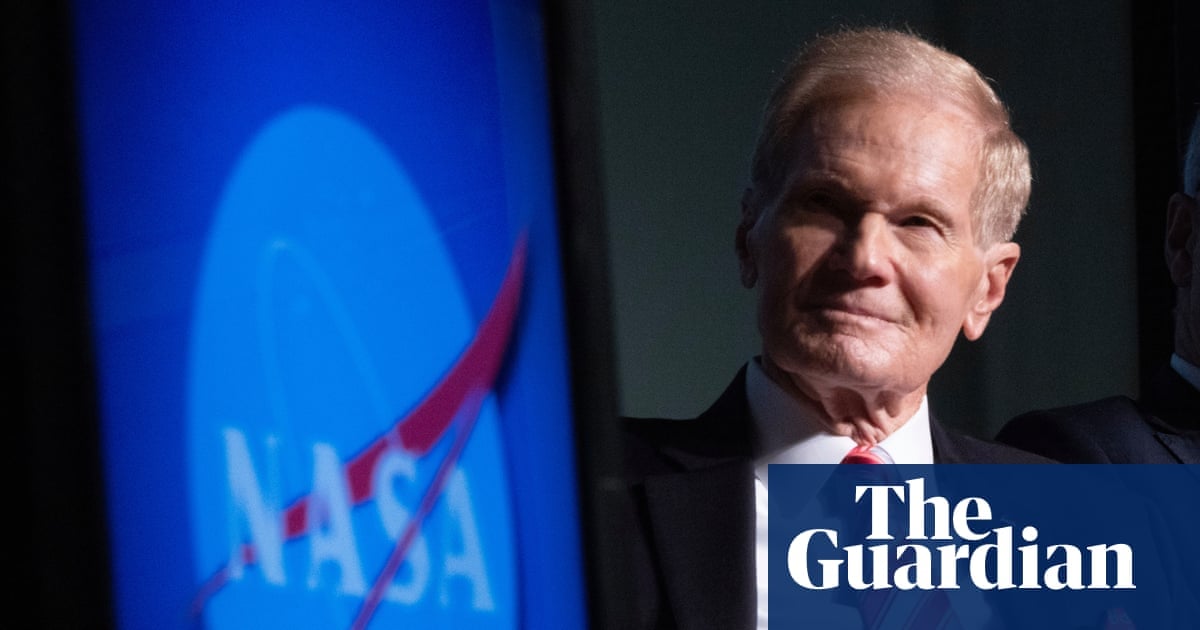
NASA administrator Bill Nelson warned that China may be using its civilian space program as a cover for military objectives, expressing concern about Beijing's secrecy and the potential for a space race. He emphasized the need for the US to maintain its global edge in space exploration and land on the moon before China, as both nations pursue lunar missions, while urging vigilance and caution in the face of China's rapid advancements in space capabilities.
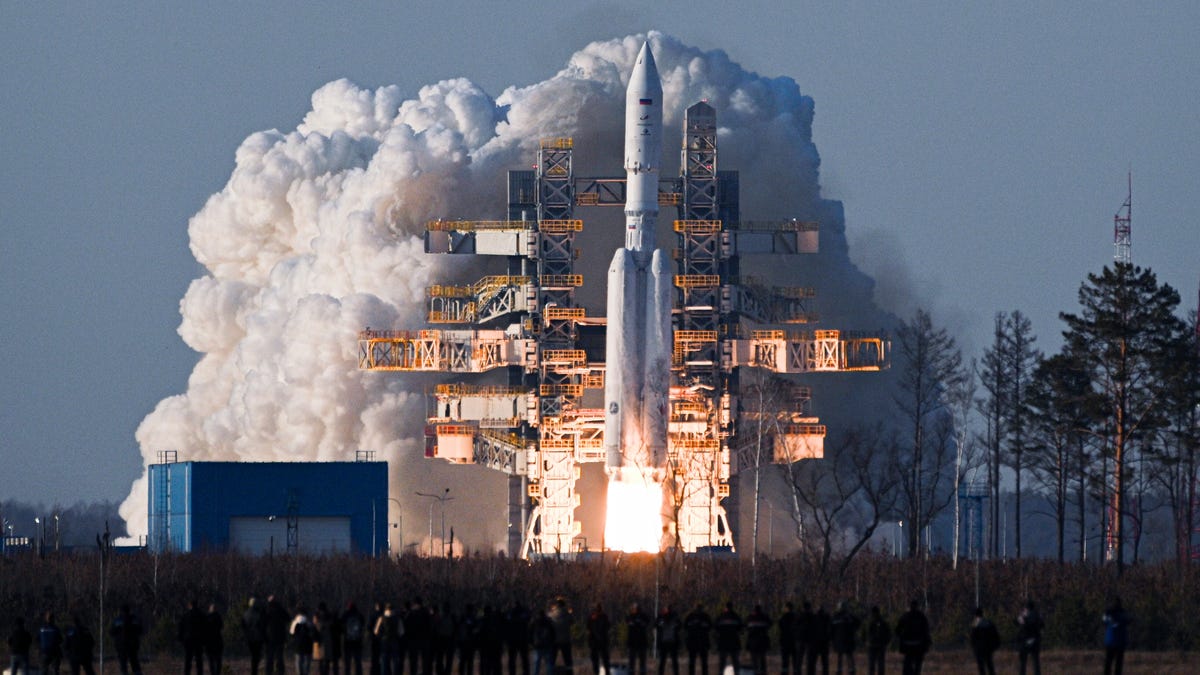
Russia successfully launched its Angara A5 rocket from the Vostochny Cosmodrome, marking a significant milestone in its efforts to modernize its space program and replace the aging Proton M rocket. The rocket, which is environmentally friendly and does not use toxic fuel components, delivered a test payload to low Earth orbit. This launch represents Russia's push for space autonomy and competitiveness in the New Space Race, as it aims to play a crucial role in delivering modules for its upcoming space station and keep pace with global space exploration efforts.
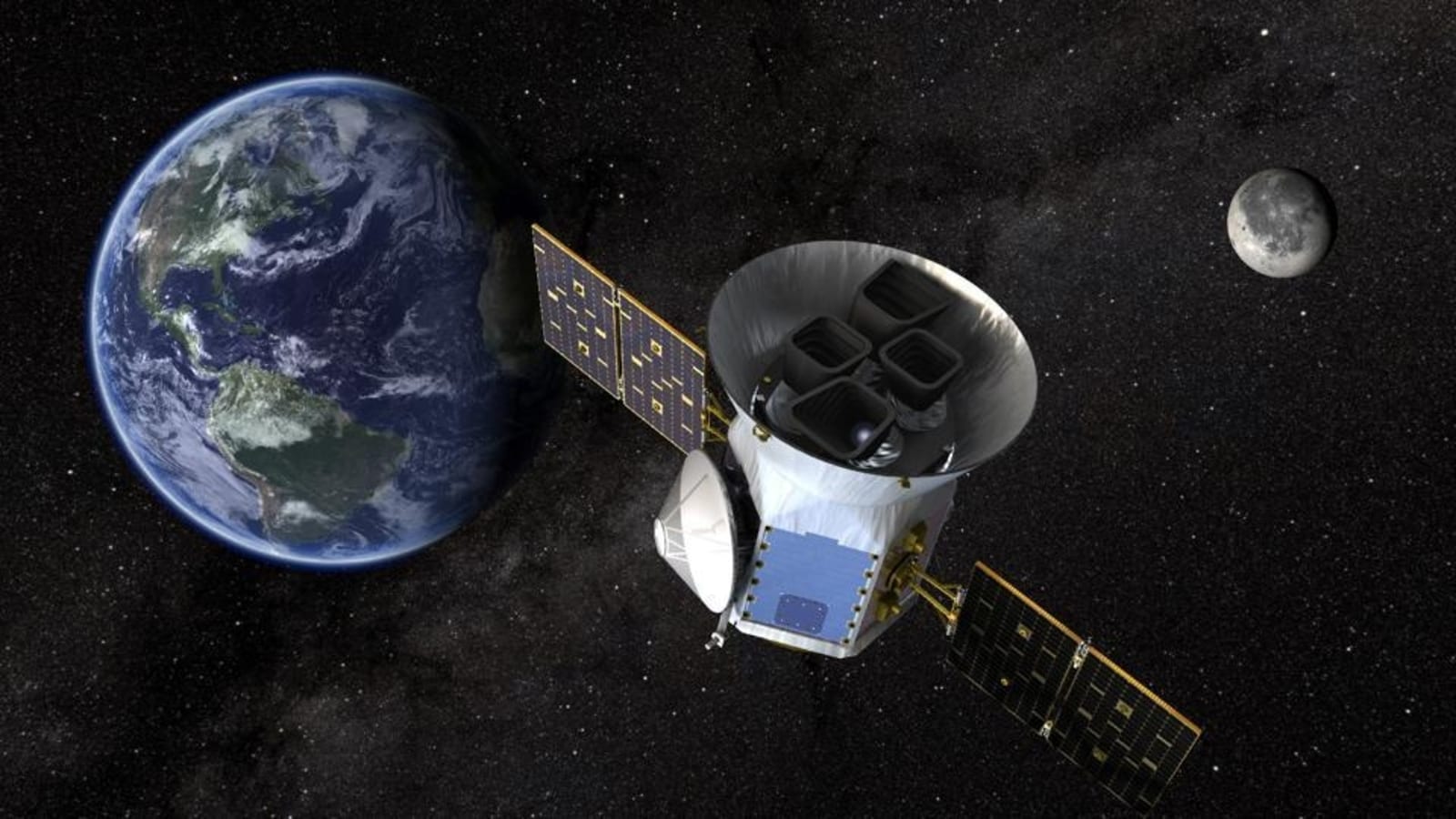
On February 28, a Russian spacecraft named Timed came within 10 meters of a U.S. satellite, raising concerns about potential casualties if a collision had occurred. NASA's deputy administrator described the incident as "really scary," emphasizing the danger posed by space debris. Meanwhile, Russian space officials confirmed an ongoing air leak from the Russian segment of the International Space Station, but assured that it doesn't pose any danger to the crew.
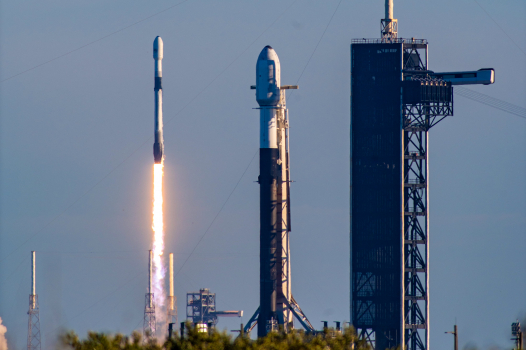
SpaceX has achieved several record-breaking feats in the first quarter of 2024, including 31 Falcon family rocket launches, successful Starship flights, and growth in its Starlink constellation. The company aims to increase its activity further with more launches and new types of missions. SpaceX's recovery assets also broke turnaround records, and the company is working on increasing its launch cadence to achieve its goal of 148 launches in 2024. Additionally, SpaceX's Starlink program saw substantial customer growth, while the Starship program faced challenges during its third flight but is preparing for the next launch.
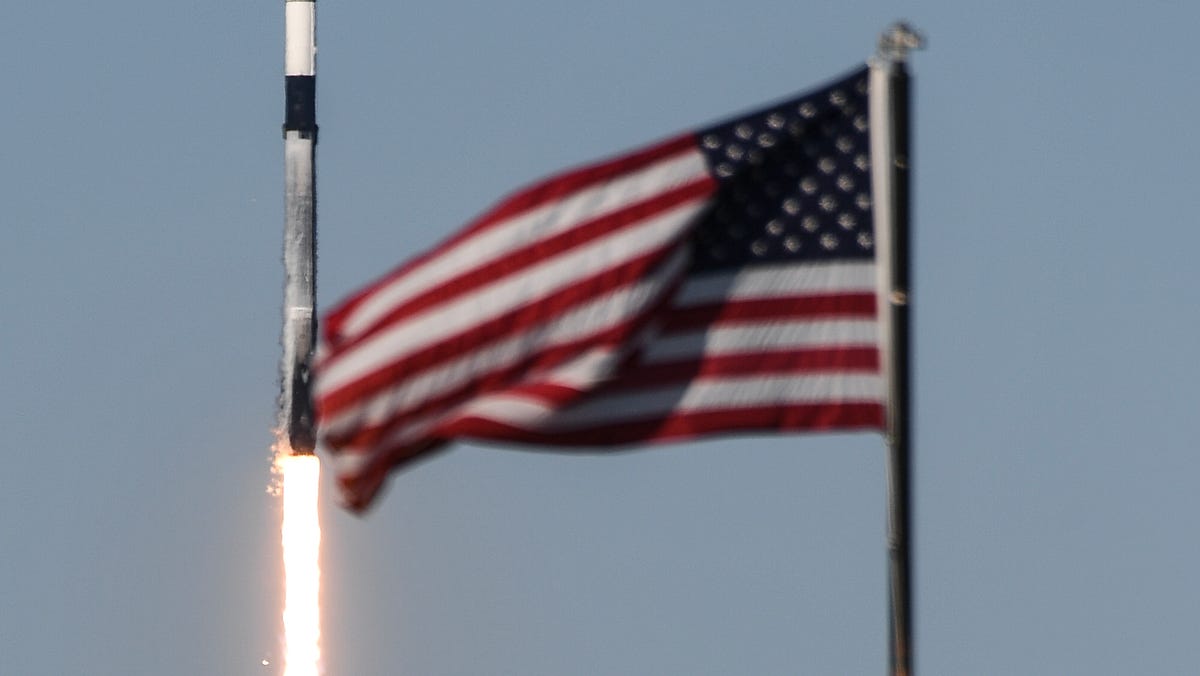
SpaceX treated Brevard locals and spring breakers to a double-header Falcon 9 launch, delivering a communication satellite for Airbus and Starlink satellites. The launches, three hours and 38 minutes apart, took place at Kennedy Space Center and Cape Canaveral Space Force Station. The Delta IV Heavy launch was delayed due to a gaseous nitrogen pipeline issue, with the next launch window set for April 8th. Spectators enjoyed the beautiful weather on the Space Coast, witnessing the successful landings of the Falcon 9 boosters. SpaceX's 31st launch and landing of 2024 included the 18th flight for a specific Falcon 9 booster, with another STARLINK group 7 launch from California planned for later that night.
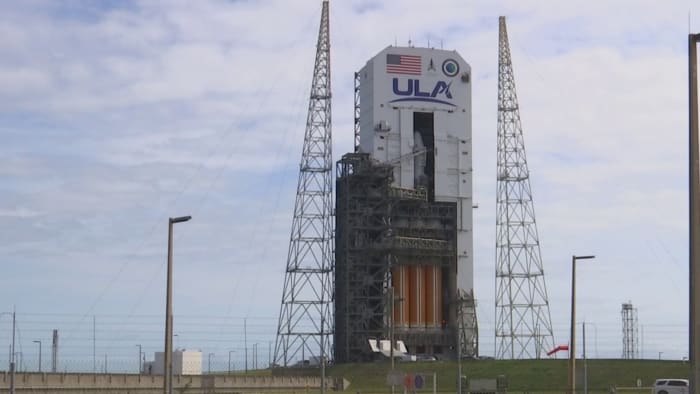
The final launch of a Delta IV Heavy rocket is set to take place on the Space Coast, marking the end of more than 60 years of Delta rockets launching American missions into space. United Launch Alliance (ULA) is replacing the Delta IV and Atlas V rockets with the new Vulcan Centaur rocket, which is expected to provide more value and capability at a lower cost. The launch is scheduled for Thursday, with backup opportunities on Friday and Monday if necessary.
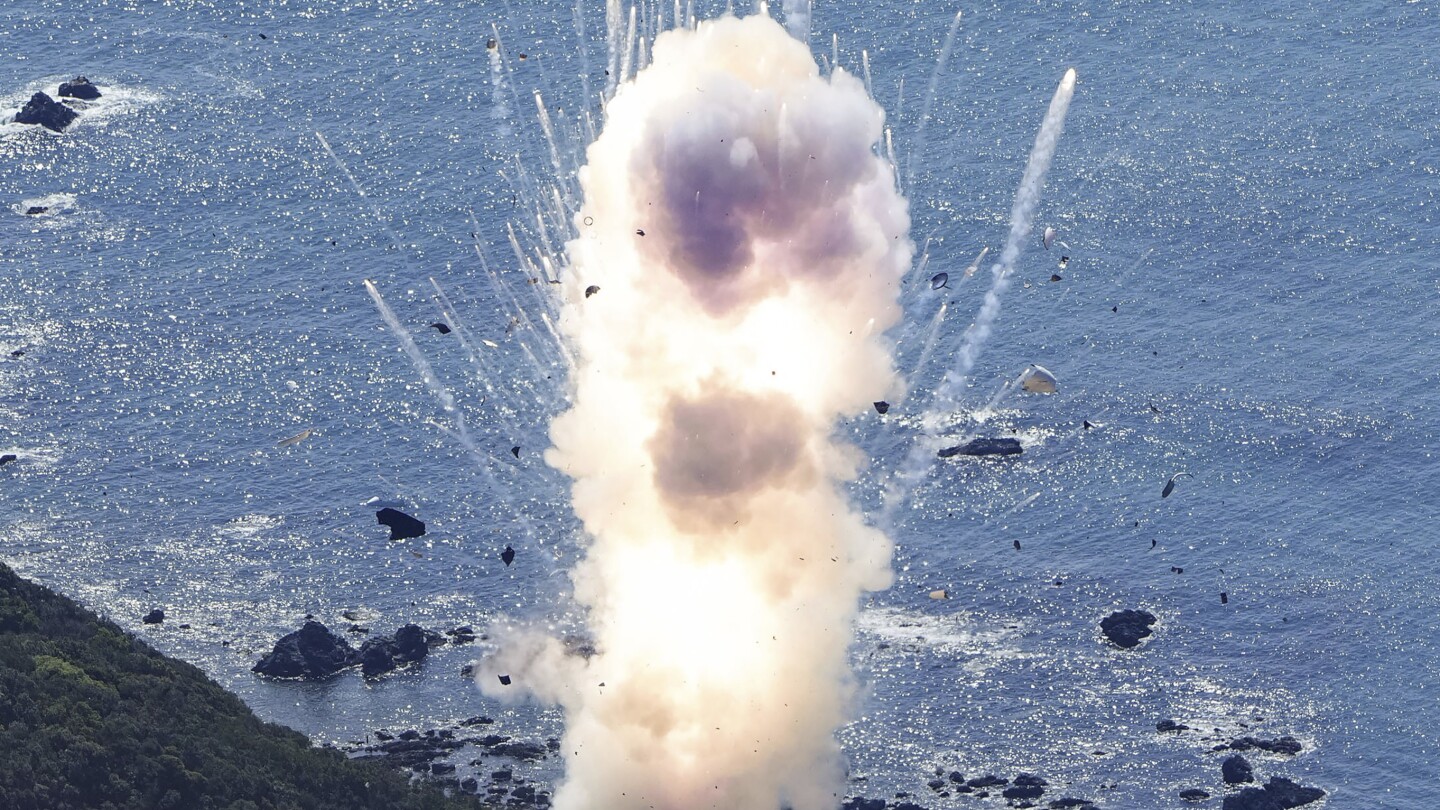
A commercial rocket by Space One exploded shortly after liftoff in central Japan during an attempt to put a satellite into orbit. No injuries were reported, and the fire was brought under control. The cause of the explosion is still under investigation, and the company remains prepared for future challenges. The rocket was intended to launch a government-made satellite for various purposes, including monitoring potential threats from neighboring North Korea. Space One, established in 2018 with investments from major Japanese companies, aims to contribute to the global space industry.