
Waymo Captures 15% of Rideshare Revenue in Key US Markets, Shifting Driver Impact to Hours, Not Layoffs
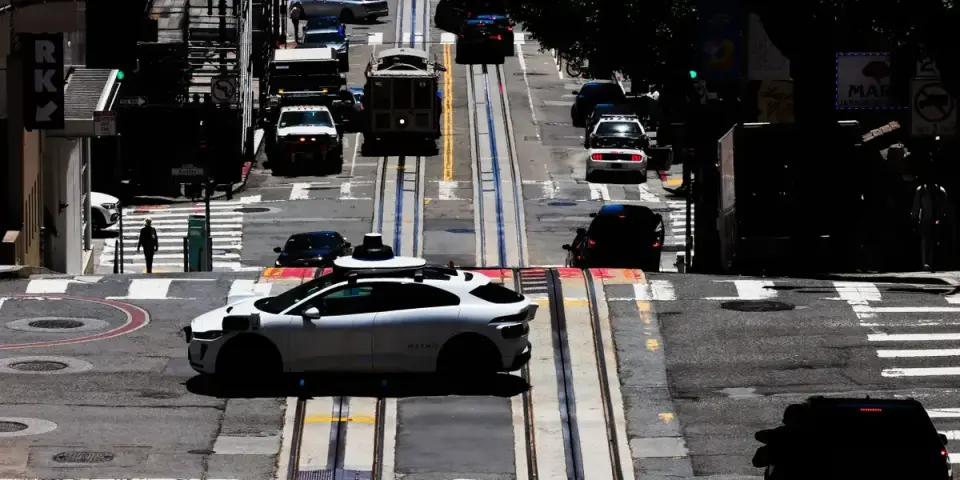
Alphabet’s Waymo has captured approximately 15% of gross rideshare revenue in San Francisco and Los Angeles, and 16% in Phoenix, according to market research firm Yipit. This significant market share is reshaping the labor market for human drivers, though experts note the impact is not visible as mass layoffs. Instead, the adjustment is occurring through reduced driver utilization, longer wait times between rides, and fewer trips per hour. While Waymo’s share has slightly declined from January levels as it expands into new areas, it remains a dominant force in its mature operating zones, prompting Uber to accelerate its own robotaxi investments.
Key points
- Yipit data shows Waymo holds 15% of gross bookings in San Francisco and Los Angeles, and 16% in Phoenix, as of June 2026.
- Wharton professor Gad Allon describes this share as a 'serious shock' to the labor market, but notes the impact manifests as reduced driver hours rather than immediate job losses.
- Gridwise data indicated hourly driver wages declined in Waymo-operating cities last year, even as the national median rose by 1%.
- Uber is moving to compete directly by deploying Lucid and Rivian robotaxis, having ended its partnership with Waymo in Phoenix in May 2026.
- Researchers note that gig work’s flexible nature makes traditional employment metrics unreliable for measuring robotaxi displacement.
Background
This development follows recent efforts by California gig workers to form a union, highlighting growing tensions in the rideshare labor market. The shift from partnership to competition between Uber and Waymo marks a significant change in the autonomous vehicle landscape, as both companies seek to secure long-term market positions.
How outlets are covering it
Business Insider and Smart Cities Dive both highlight the competitive tension between Uber and Waymo, but emphasize different aspects. Business Insider focuses on the subtle labor market effects, citing experts who argue that driver displacement is gradual and hidden in utilization metrics. Smart Cities Dive emphasizes the strategic shift from partnership to direct competition, noting Uber’s massive investments in Lucid and Rivian fleets. Both outlets agree that Waymo currently holds a strong lead in robotaxi operations, but they differ in their focus on the immediate economic impact versus the long-term strategic rivalry.
Why it matters
The rise of robotaxis is not just a technological shift but a fundamental change in the gig economy. As Waymo captures a larger share of the market, human drivers face reduced income and hours, which could have broader implications for labor stability and urban transportation. The transition from partnership to competition between major players like Uber and Waymo signals a new era of intense rivalry in the autonomous vehicle space, with significant implications for cities, regulations, and the future of work.
What to watch
Uber plans to deploy up to 20,000 Lucid electric vehicles and 10,000 Rivian robotaxis, with an option for 40,000 more, beginning in 2028. Waymo is expected to end its partnership with Uber in Atlanta and Austin by 2028. Both companies will likely continue to lobby for favorable regulations and safety standards as they expand their operations. The coming years will see a critical test of how cities and labor markets adapt to the growing presence of autonomous vehicles.
- Waymo is winning over riders while the fallout for human drivers stays fuzzy Business Insider
- Waymo's Path to 10,000 Cars Exposes Uber's Robotaxi Risk, Say Brulte and Piecyk finance.biggo.com
- Is Uber (UBER) Losing Waymo Partnership? What Does It Mean in the Robotaxi Race? Yahoo Finance
- Uber, Waymo go from robotaxi partners to competitors Smart Cities Dive
- Waymo's Expansion Exposes Uber's Robotaxi Risk and Opens the Door for Lyft|Road to Autonomy finance.biggo.com
Want the full story? Read the original reporting
Read on Business Insider