Dutch regulator hits Uber with near-$1B penalty over account suspensions
Dutch regulators fined Uber nearly $1 billion for suspending driver and rider accounts, signaling intensified oversight of ride-hailing practices and platform accountability.
All articles tagged with #uber

Dutch regulators fined Uber nearly $1 billion for suspending driver and rider accounts, signaling intensified oversight of ride-hailing practices and platform accountability.

Uber and Zipline unveiled a partnership to deliver Uber Eats orders via drones, targeting up to one million drone deliveries per day by the end of 2029. Initial deployments are slated for later this year in Zipline’s U.S. markets (including Pea Ridge, Arkansas and the Dallas–Fort Worth area) before broad expansion to dozens of cities. Uber invested in Zipline, which has already completed over 2.7 million deliveries and previously partnered with Walmart and Chipotle. Uber has also experimented with Flytrex for drone delivery and positions itself against competitors like DoorDash and Wing in the drone-delivery race.

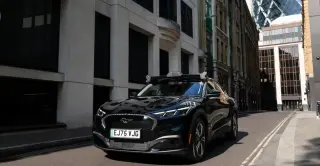
Uber reported in-line Q2 2026 earnings (EPS $0.81) on revenue of $14.19B, with net income of $2.39B. Mobility revenue was $7.36B and delivery $5.25B, while total bookings reached $58B, beating estimates. For Q3, management guided bookings of about $59.25B (mid) and EPS of $0.84–$0.88, both below consensus. Shares fell after the print. The company is expanding into deliveries via a $14.8B deal for Delivery Hero and plans to invest over $10B to bring autonomous vehicles to market, with ongoing changes in robotaxi partnerships and regulatory milestones (e.g., London licensing with Wayve).

Uber and Waymo will terminate their exclusive robotaxi agreement in Atlanta and Austin in early 2028, with Waymo launching its own app in January 2028 while hundreds of Waymo robotaxis remain on Uber through May 2028; the change lets Uber add non-Waymo autonomous vehicles, reflects Waymo's broader non-exclusive strategy, and comes as Uber’s stock slid about 4% on the news.

Uber agreed to acquire Delivery Hero for $14.8 billion, combining Uber Eats with Delivery Hero's brands (foodpanda, PedidosYa, talabat) across 99 countries. Uber will pay €41.50 per share, netting about $13.7 billion after earlier stake purchases, while 14 markets (including Glovo, foodora, Yemeksepeti) will be sold to SSW Partners for ~ $1.6 billion to ease regulatory concerns. The deal preserves Delivery Hero’s Berlin HQ, includes a €2 billion German investment, and is expected to close in the second half of 2027, expanding Uber’s delivery footprint to 58 markets post-close.

Uber is pursuing a strategy to be the platform connecting riders to both human drivers and autonomous vehicles, signing deals with multiple AV makers while pushing for 'hybrid network' rules that would keep human drivers involved for years and potentially bottleneck standalone robotaxi apps in places like New Jersey and Washington, D.C. The effort, framed as worker protection and competition control, complements Uber’s existing partnerships with firms like Waymo as it seeks to influence AV regulation and market structure.
Two California ballot measures qualified for November: Uber seeks to cap auto-collision payouts and attorneys’ fees, while the Consumer Attorneys of California aim to hold Uber liable for driver sexual misconduct and impose tighter safety standards; the high-stakes, multimillion-dollar campaign could be avoided if the sides strike a deal before June 25.

Uber and Lucid announce Houston as the second city for their robotaxi service, with autonomous rides expected in 2027 after San Francisco; Intel says its 18A-P process node has entered initial production as part of its turnaround to compete with TSMC. The broader news slate also includes SpaceX planning to buy Cursor for $60 billion and Microsoft unveiling Surface laptops/Pro devices powered by Snapdragon X2 CPUs.

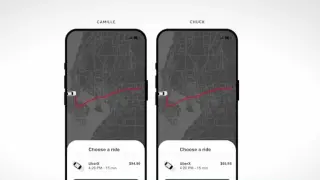
Consumer Reports’ investigation found that Uber and Lyft routinely quote different prices for the same ride booked at nearly the same moment, with a median gap around 50% across dozens of routes. The test, involving 174 volunteers across 18 states, also uncovered discounts CR calls fake or misleading. The study estimated Uber/Lyft capture about 43–50% of each fare. Both companies deny personalizing base fares or using surveillance pricing, but CR says observed price variation can’t be fully explained by obvious market factors, and regulators in several states are weighing limits on personalized pricing.

Rivian laid off hundreds—less than 2% of its workforce, primarily from service and customer-facing roles—just a week after starting R2 deliveries, the fourth round of cuts since 2024 as it seeks profitability amid heavy losses and a high-stakes mass-market launch. The move comes as Uber plans a substantial investment in Rivian and its autonomy program, highlighting investor pressure even as the company ramps the R2.

Consumer Reports’ study of 174 volunteers pricing over 40 routes across 18 states found Uber and Lyft often quote markedly different prices for the exact same ride, with a median gap of about 50% and some routes showing fares from $25 to $65 for the same origin-destination. The differences persist even when requests are made within minutes of each other. While dynamic pricing and real-time conditions explain some variability, the report raises questions about potential personalized or ‘surveillance’ pricing. Both companies deny using personalized pricing, noting that prices reflect trip characteristics, demand, supply, and promotions. Experts advise comparing prices across apps to ensure the lowest fare.

Consumer Reports’ investigation finds Uber and Lyft use opaque AI pricing that can price the same ride very differently for riders ordering within minutes of each other, with a median 50% gap and some New York City routes as high as 152%; it also shows many so-called discounts are fake, while both companies deny personal-data-based pricing and attribute prices to market factors. The report notes profits have surged since adopting algorithmic pricing and calls for price transparency and genuine discounts.

New Jersey officials announced that Uber will be the only for-hire vehicle allowed near MetLife Stadium on World Cup match days, with private cars, unauthorized shuttles, and unlicensed “dollar vans” banned to prevent traffic and security issues. Attendees are urged to use approved transport such as NJ Transit trains or official shuttles, and Uber cars will be directed to the Meadowlands complex. The plan includes hundreds of standby buses and coordination with Amtrak to minimize delays, with police stepping up enforcement to deter non-Uber drop-offs.

New York Gov. Kathy Hochul announced 500 free World Cup tickets for New Yorkers, allocated to working families with kids, first responders, veterans and military families, distributed through the YMCA chapters across NYC, Long Island, Westchester and Rockland, in partnership with Tunnel to Towers and with Uber support; each ticket includes a free round-trip shuttle to the NY/NJ Stadium.

Uber’s 10th annual Lost & Found Index catalogs a decade of quirky rider leftovers from an ankle monitor to live butterflies and breast milk. The report notes New York City as the most forgetful city and Sundays as the busiest forgetful day, highlights evolving trends (AirPods, vaccine cards and masks, Ozempic, Labubu plushies), and underscores Uber’s dominance in the U.S. rideshare market with over a million phones reported lost in the past year.