
Consumer Reports Exposes Rideshare AI Pricing Disparities
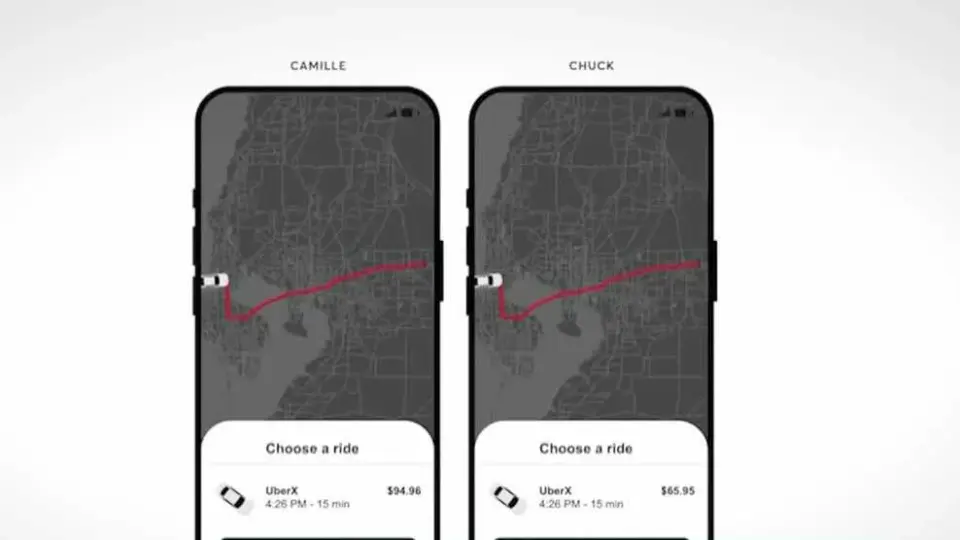
A new investigation by Consumer Reports reveals that rideshare apps like Uber and Lyft use AI to charge different prices to nearby users for identical trips. While companies claim their share of the fare is lower than reported, several states are moving to ban or restrict this practice.
Key points
- Consumer Reports found that two people standing next to each other requesting the same ride at the same time could be shown significantly different prices, a practice known as surveillance pricing.
- Uber stated that some crossed-out prices displayed in its app are 'historical' comparisons rather than actual deals, though both Uber and Lyft insist their share of the fare is lower than what Consumer Reports found.
- Maryland and Connecticut have enacted the first substantive restrictions on surveillance pricing, while California, Pennsylvania, and New York are considering bans on the practice.
- Most riders would likely never know they were being charged a different price than someone else for the same service, according to the investigation.
Background
This development follows earlier concerns about AI-driven pricing in other sectors. In August 2026, the FTC rebranded surveillance pricing as 'personalized pricing' and sought public comment on a policy draft warning that using personal data to set prices could violate the FTC Act. Additionally, New Jersey enacted the Fair Price Protection Act in July 2026, banning retailers from using personal data to charge different prices for the same products, making it the third state to ban surveillance pricing. A Productrise study in September 2026 also found that Google's AI Mode listed products about 21.6% more expensive than traditional search, raising questions about AI-driven price discrimination.
Why it matters
The use of AI to set dynamic, personalized prices in rideshare services raises significant consumer protection issues. If riders are charged different prices for the same service based on their data, it undermines trust in the market and could lead to higher costs for consumers. The movement by states to ban or restrict surveillance pricing indicates a growing regulatory focus on ensuring fair and transparent pricing practices in the digital economy.
What to watch
Expect more states to consider or enact bans on surveillance pricing in rideshare and other services. Companies like Uber and Lyft may face increased scrutiny and potential regulatory action if they continue to use AI to set personalized prices. Consumers may also become more aware of and concerned about price discrimination in digital services.
Want the full story? Read the original reporting
Read on KCRA