
India's UPI Network Faces a Sustainability Test as Parliament Clears Path for Merchant Fees
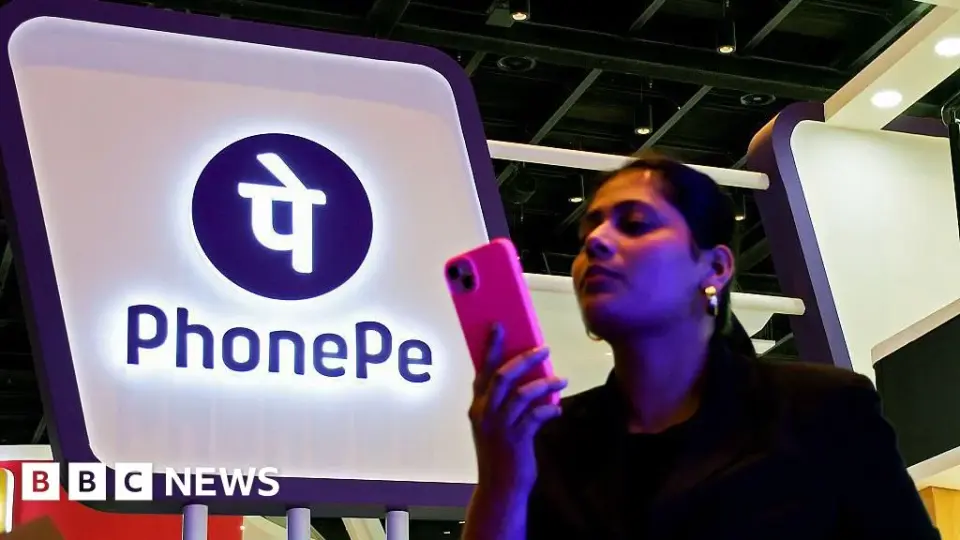
India is moving to introduce fees on high-value UPI transactions to ensure the financial sustainability of its massive digital payment network. While consumer payments remain free, a new Merchant Discount Rate (MDR) could apply to large merchants, potentially generating billions in revenue for banks and fintech firms without disrupting small-scale adoption.
Key points
- Parliament passed amendments to the Payment and Settlement Systems Act, removing legal barriers to charging Merchant Discount Rates (MDR) on UPI transactions.
- Proposals suggest an MDR of 0.3-0.5% on transactions above 2,000 rupees at large merchants, which account for 4% of volume but 67% of value.
- The move aims to offset the gap between the government's 2,000 crore subsidy and the industry's estimated 20,700 crore annual operational costs.
- Consumer and person-to-person (P2P) transfers will remain free, protecting the core user base of over 550 million people.
- Industry leaders warn that fees could impact small merchants if not carefully calibrated, potentially slowing the expansion of the payment network in developing districts.
Background
UPI, launched in 2016, has grown into one of the world's largest real-time payment networks, processing 23.6 billion transactions in July 2026 alone. The system is operated by the National Payments Corporation of India (NPCI) and has been sustained by government subsidies and bank cross-subsidization. Recent archive coverage of global digital payment trends, such as the EU's focus on open banking and the US's reliance on card networks, highlights the global debate over how to price digital infrastructure. India's move represents a shift from a purely subsidized model to a commercially viable one, similar to Brazil's Pix system, which allows low-cost charges for businesses while remaining free for individuals.
How outlets are covering it
BBC and The New Indian Express emphasize the economic necessity of the change, noting that the current subsidy model is unsustainable. They highlight that while the fee targets large merchants, it could generate up to $1 billion in new revenue. In contrast, News18 offers a broader structural analysis, arguing that UPI did not eliminate payment costs but shifted them from the point of sale to the backend, making the pricing mechanism a matter of public policy rather than private corporate discretion. Deccan Herald focuses on the legislative urgency, noting that the Parliamentary Standing Committee on Finance has called for the 'expeditious introduction' of a tiered MDR to prevent the exchequer from bearing the full burden of the ecosystem's operational costs. While all sources agree on the need for sustainability, they differ on the risk: BBC and The New Indian Express focus on the potential impact on small merchants, while News18 frames the issue as a global contest over the 'legitimacy of the tollbooth' in digital finance.
Why it matters
The introduction of MDR marks a pivotal moment for India's digital economy, transitioning UPI from a state-subsidized public good to a commercially sustainable infrastructure. This change could reshape the competitive landscape among fintech companies like PhonePe and Google Pay, potentially favoring those with strong merchant relationships. Furthermore, it sets a precedent for how other nations might approach the monetization of instant payment rails, influencing global trade and financial policy discussions.
What to watch
The government is expected to finalize the specific MDR rate and threshold through an NPCI-led committee. The next steps involve the operationalization of the tiered fee structure, with a focus on ensuring that small merchants and low-value transactions remain exempt. Industry stakeholders will likely lobby for favorable revenue-sharing arrangements, while regulators will monitor the impact on merchant adoption rates in less-developed districts to ensure the network's ubiquity is not compromised.
- India built the world's biggest digital payments miracle. Now comes the bill bbc.com
- Explainer: How UPI’s free ride may hit a speed bump The Tribune
- Parliamentary panel for expeditious introduction of calibrated MDR on high-value transactions Deccan Herald
- UPI MDR benefits will depend on merchant mix, transaction value The New Indian Express
- Opinion: UPI Did Not Kill the Tollbooth, It Moved It News18
Want the full story? Read the original reporting
Read on bbc.com