
U.S. Officials Allegedly Ignored Chinese Espionage Targeting Nvidia CEO
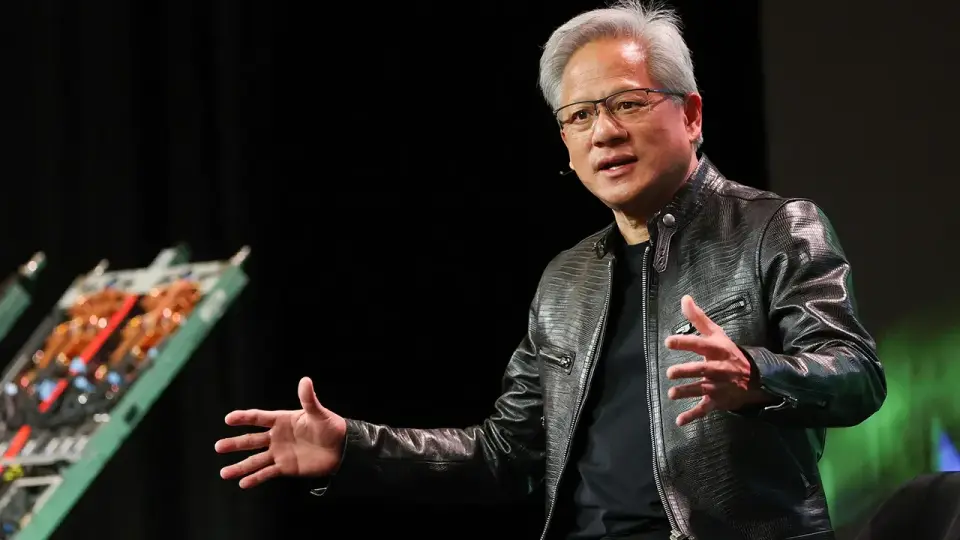
U.S. intelligence agencies reportedly identified Alice Huang, a former executive at Singapore-based Megaspeed, as a Chinese intelligence asset who gained access to Nvidia CEO Jensen Huang. While officials monitored her for years, they allegedly did not warn Huang to avoid compromising the investigation. President Trump was briefed on the matter approximately a year ago but took no action, reportedly to protect Nvidia’s stock price and maintain his close relationship with the chipmaker. Nvidia maintains that Huang’s interactions with Alice Huang were standard business meetings, while critics argue the administration prioritized commercial interests over national security.
Key points
- U.S. intelligence agencies concluded that Alice Huang (also known as Huang Le), a former executive at Megaspeed, acted as a Chinese intelligence asset.
- Huang was suspected of helping Megaspeed evade U.S. export controls to acquire high-end Nvidia AI chips for data centers in Malaysia and Indonesia.
- Officials discovered that Alice Huang had developed a close relationship with Jensen Huang, potentially allowing her to gather sensitive commercial and strategic information.
- The Trump administration was briefed on the surveillance findings about a year ago but chose not to act, partly to avoid disrupting Nvidia’s stock price and U.S.-China trade negotiations.
- Jensen Huang was not warned about the potential espionage to prevent tipping off the suspect, though some officials doubt he remained entirely unaware of her activities.
- Nvidia stated that meetings with customer executives are routine and that Megaspeed received no sensitive trade secrets or national security information.
Background
This incident occurs amid heightened tensions over AI chip exports. In January 2026, the Trump administration eased restrictions on Nvidia’s H200 chip sales to China, requiring a 25% fee to the U.S. government. Recently, Jensen Huang has become a key advisor to President Trump on AI policy, influencing decisions on export controls and international trade. Earlier this month, the FBI arrested a Saudi national for planting a recording device at OpenAI, highlighting growing concerns about espionage in the AI sector. Additionally, Nvidia has faced scrutiny for its environmental impact and safety protocols, with Huang recently warning that AI labs could face criminal liability for shipping unsafe models.
How outlets are covering it
Fox Business and CNET emphasize the security risks posed by Huang’s access to Nvidia’s leadership, noting that the U.S. government prioritized protecting Nvidia’s market value over immediate disclosure. The Guardian focuses on the broader implications for U.S.-China tech competition, highlighting how Megaspeed’s operations in Southeast Asia may serve as a conduit for Chinese intelligence. Ars Technica provides a more critical view, suggesting that Trump’s inaction was driven by his close personal and political ties with Jensen Huang, which have led to relaxed export controls and halted investigations into Nvidia. All sources agree that Nvidia’s response downplays the significance of the meetings, but Ars Technica and The New York Times (cited by others) point to red flags in Megaspeed’s corporate structure, including a Singapore director who lives in China and unclear business operations.
Why it matters
This case underscores the intersection of national security, corporate influence, and AI technology. It raises questions about the effectiveness of U.S. export controls and the potential for foreign intelligence to infiltrate critical tech sectors through commercial relationships. The lack of action by the Trump administration suggests a prioritization of economic interests and political alliances over security concerns, which could have long-term implications for U.S. technological leadership and international trust in its regulatory framework.
What to watch
U.S. intelligence agencies are expected to continue monitoring Alice Huang and Megaspeed, though her current role within the company is unclear. The Department of Justice has taken over the investigation from the Commerce Department, and further scrutiny of Megaspeed’s operations and chip shipments may follow. Nvidia may face increased pressure to disclose more details about its customer vetting processes, while the Trump administration could face criticism for its handling of the espionage case. Future U.S.-China trade negotiations may be affected by ongoing concerns over chip diversion and intelligence gathering.
- Suspected Chinese intelligence asset gained access to Nvidia CEO Jensen Huang: report Fox Business
- Nvidia Chief, Jensen Huang, Is Seen as Target of Chinese Spy Plot The New York Times
- Nvidia CEO reportedly targeted by an alleged Chinese spy The Guardian
- Report: Trump did nothing with intel that China planted spy close to Nvidia CEO Ars Technica
- Nvidia Finds Itself at the Center of an AI Spy Saga CNET
Want the full story? Read the original reporting
Read on Fox Business