
US officials warn of continued tech disruptions as AI-driven upgrades strain legacy systems
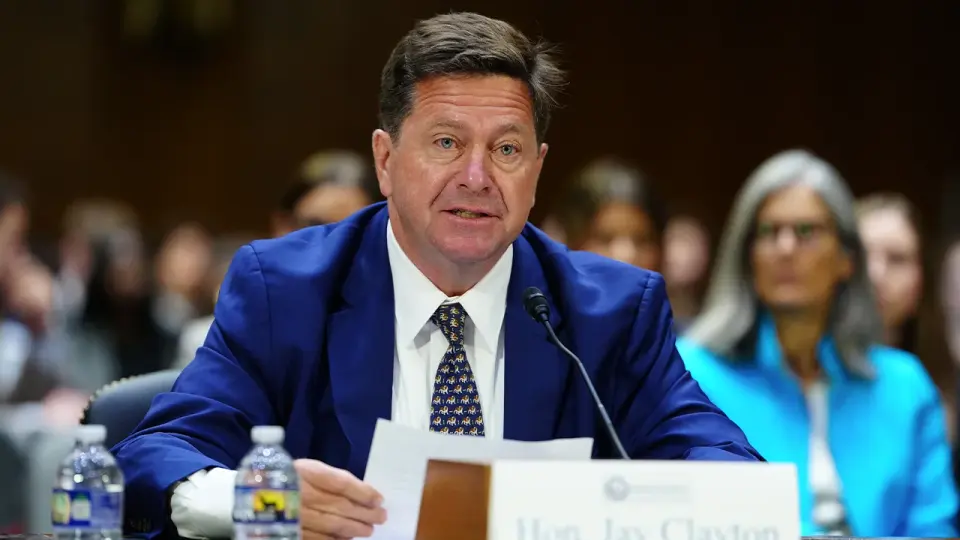
Director of National Intelligence Jay Clayton warned Americans to expect further service interruptions as the US upgrades aging digital infrastructure for the AI era. Recent outages affecting aviation, banking, and government networks were attributed to rushed security patches and system modernization rather than coordinated cyberattacks. While officials urge calm, public anxiety has surged, driving increased demand for emergency supplies and raising questions about infrastructure resilience.
Key points
- Jay Clayton stated that recent glitches are byproducts of necessary maintenance on legacy systems built over the last three decades.
- The FAA issued a nationwide ground stop on November 13 after router upgrades caused a data flood, disrupting thousands of flights.
- Microsoft President Brad Smith described his company’s 24-hour global outage as a 'perfect storm' of software updates and network traffic shifts.
- FBI data cited by Clayton shows reported cyber incidents rose from nearly 800,000 in 2020 to roughly 1 million.
- Treasury Secretary Scott Bessent compared security patches to vaccines, noting temporary discomfort for long-term resilience.
Background
This wave of disruptions follows a series of earlier incidents in November 2026, including a Delta Air Lines weight-check glitch that delayed over 1,000 flights and previous statements by Secretary of State Marco Rubio denying coordinated cyberattacks. The current events represent the latest phase of a broader modernization cycle where AI tools are used to identify and patch vulnerabilities in decades-old code, often introducing new instability during the transition.
How outlets are covering it
Fox Business and CNBC emphasized the official narrative that outages are temporary side effects of necessary upgrades, with Clayton and Treasury Secretary Scott Bessent urging the public not to panic. The New York Times highlighted the technical reality that AI is uncovering dormant vulnerabilities in legacy software, such as the 'Upload2Shell' bug in Ghostscript, forcing rapid patching that causes disruptions. Al Jazeera focused on the human impact, reporting a surge in emergency preparedness spending and public anxiety, with residents stocking up on supplies despite official reassurances. While all sources agree the incidents are not coordinated attacks, they differ on the emphasis: officials stress resilience and investment, while critics and citizens focus on the tangible vulnerabilities and lack of transparency.
Why it matters
The reliability of critical infrastructure, including air travel and banking, is central to economic stability and public safety. As the US integrates AI into cybersecurity, the tension between rapid patching and system stability poses a risk of prolonged disruptions. The public’s shift toward emergency preparedness indicates a loss of confidence in the resilience of digital systems, potentially affecting consumer behavior and trust in government institutions.
What to watch
Officials expect disruptions to continue for months as companies and agencies complete system upgrades. The FAA and other agencies will likely face scrutiny over their modernization plans, including a reported $50 billion infrastructure plan. Public demand for emergency supplies may remain elevated, and further incidents could prompt legislative or regulatory responses to improve transparency and infrastructure resilience.
- US intel chief warns of 'bumps in the road' amid tech upgrades of aging systems Fox Business
- Tech Outages Are Only the Beginning. A.I. Will Bring More Disruptions. The New York Times
- Director of National Intelligence Jay Clayton warns Americans of 'bumps in the road' after tech outages CNBC
- The outages keep coming. Some Americans are preparing for a collapse. The Washington Post
- As tech outages mount, some New Yorkers prepare for the worst Al Jazeera
Want the full story? Read the original reporting
Read on Fox Business