
DOJ Interves in NYT vs. OpenAI Copyright Case, Citing National Security
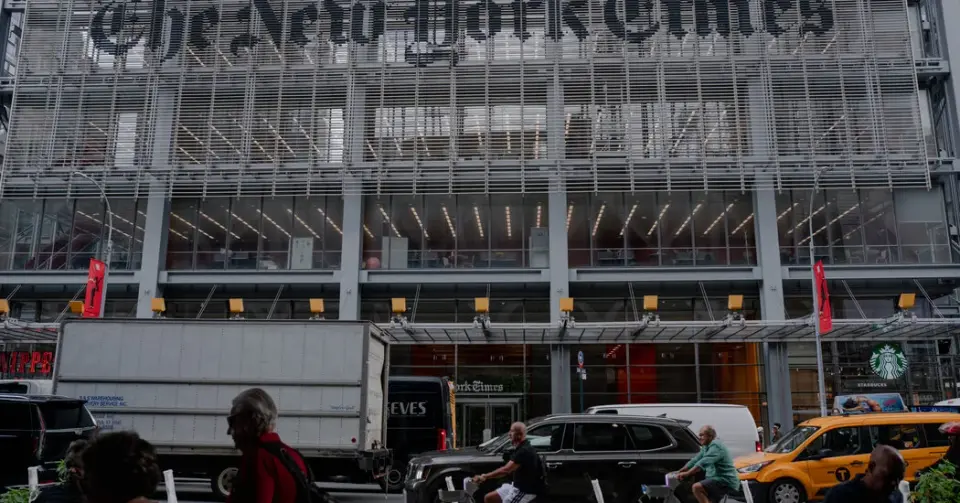
The U.S. Justice Department filed a statement of interest in the consolidated copyright lawsuit between The New York Times and OpenAI, arguing that training AI models on copyrighted text is a transformative fair use essential to national security. The filing, described as historic by Associate Attorney General Stanley Woodward, asserts that restricting AI development would hinder American economic prosperity and give foreign adversaries a competitive edge. The New York Times and other authors criticized the move as favoring tech giants over creators, while OpenAI and Microsoft declined to comment. Judge Sidney H. Stein has set a deadline for summary judgment motions, with the case potentially setting a precedent for AI training practices.
Key points
- The DOJ filed a statement of interest in the NYT vs. OpenAI copyright case, arguing that training AI on copyrighted material is fair use and critical for national security.
- The filing claims that limiting AI development would harm U.S. economic mobility and give foreign competitors an advantage.
- The New York Times and authors like George R.R. Martin and John Grisham argue that AI companies must pay for content to sustain human-created works.
- Judge Sidney H. Stein has ordered both sides to submit summary judgment motions by September 11, 2026.
- The case is part of a broader wave of AI copyright lawsuits, including a recent $1.5 billion settlement by Anthropic with authors.
Background
This case stems from a 2023 lawsuit by The New York Times against OpenAI and Microsoft, alleging illegal use of copyrighted articles to train ChatGPT. The case was consolidated with other publisher lawsuits in 2025. The DOJ’s intervention marks the first time the department has weighed in on AI copyright issues, reflecting the Trump administration’s broader support for the AI sector and skepticism of regulation. Previous tensions between the DOJ and The New York Times, including withdrawn subpoenas over reporting on Air Force One security, highlight ongoing friction between the administration and the newspaper.
How outlets are covering it
The New York Times and its spokesperson, Graham James, argue that the DOJ is siding with 'trillion-dollar AI companies' at the expense of creators, stating that allowing AI to use content without permission undermines the sustainability of human-created works. The Justice Department, through Associate Attorney General Stanley Woodward, counters that AI development is critical for national security and that the benefits 'far outweigh any competitive harm.' The Financial Times notes that the administration has opposed strict AI regulation and that OpenAI has discussed giving the government a 5% stake. Deadline highlights the involvement of prominent authors like George R.R. Martin and John Grisham in the lawsuit, emphasizing the broad impact on the literary world. OpenAI and Microsoft did not respond to requests for comment.
Why it matters
The DOJ’s intervention could set a precedent for AI training practices, potentially allowing companies to use copyrighted material without permission or compensation. This could impact the sustainability of news and literary industries, which rely on copyright protections. The case also highlights the tension between national security interests and intellectual property rights, with the government prioritizing AI dominance over creator compensation. The outcome may influence ongoing and future AI copyright lawsuits, including those involving musicians and book authors.
What to watch
Judge Sidney H. Stein has ordered both sides to submit summary judgment motions by September 11, 2026. The New York Times must show cause by the same date why the case should not be stayed pending resolution of other active cases. The DOJ’s filing may influence the judge’s decision, but it is not binding. OpenAI is expected to unveil an IPO soon, and the case could affect its public debut. The broader AI copyright landscape may see further legal challenges, including a recent lawsuit by musicians against Suno.
- Justice Dept. Sides With OpenAI in New York Times Copyright Suit nytimes.com
- U.S. Government Backs OpenAI in Copyright Fight With Publishers WSJ
- Trump administration backs OpenAI in New York Times copyright battle Financial Times
- NY Times Rips Trump's DOJ For Backing AI Companies In Class Action Suit Deadline
- Donald Trump’s administration just sided with OpenAI in a key ‘fair use’ case. Here’s what it means for music’s fight with Anthropic and Suno. Music Business Worldwide
Want the full story? Read the original reporting
Read on nytimes.com