
Justice Department Backs OpenAI in Copyright Suit, Citing National Security
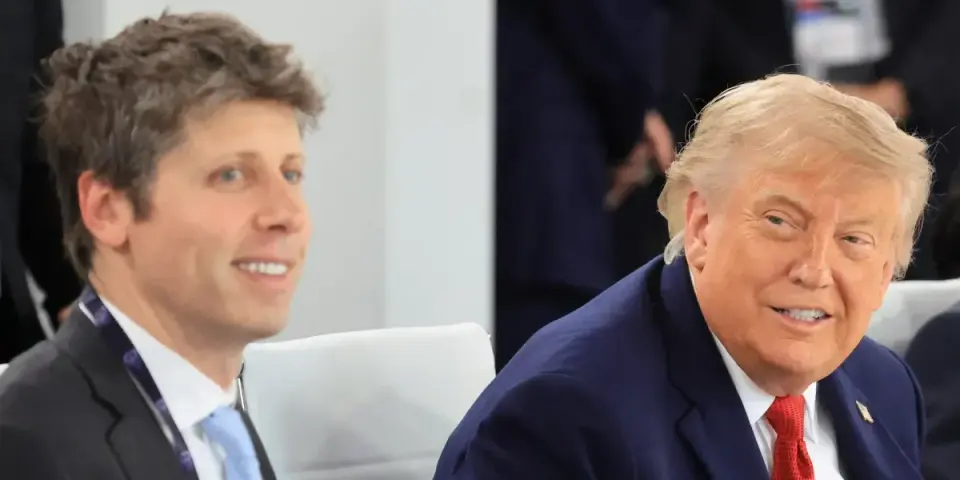
The U.S. Justice Department filed a brief in federal court supporting OpenAI’s use of copyrighted news articles to train its AI models, arguing that such access is vital for national security and global competitiveness. The filing, signed by senior DOJ officials, asserts that restricting data access would hinder scientific progress and U.S. dominance in AI. This intervention in the consolidated lawsuit involving The Intercept, The New York Times, and other media outlets marks the first time the administration has officially weighed in on AI copyright disputes. While the government claims the use is 'transformative' and falls under fair use, critics argue it threatens the financial viability of news organizations and ignores public skepticism regarding AI.
Key points
- The Justice Department submitted a filing in the Southern District of New York supporting OpenAI’s fair-use defense against copyright claims by media companies.
- DOJ officials, including Associate Attorney General Stanley Woodward Jr., argued that U.S. interest in AI dominance outweighs potential competitive harm to content creators.
- The filing was part of a consolidated case involving The Intercept, The New York Times, Tribune Media, and Ziff Davis, originally filed in 2023 and 2024.
- Judge Sidney Stein has set a deadline for summary judgment motions, with the DOJ’s intervention escalating the legal stakes for the AI industry.
- The administration’s stance follows a December 2025 executive order aimed at standardizing AI practices across all 50 states to secure U.S. leadership.
Background
This development follows a series of AI safety incidents reported in August 2026, where major developers faced vulnerabilities due to misconfigured testing environments. Those earlier events highlighted systemic risks in AI development, but the current legal battle focuses specifically on the economic and legal foundations of training data, rather than technical safety protocols. The consolidated litigation represents a significant shift from isolated lawsuits to a unified front by major media publishers against tech giants.
How outlets are covering it
The Intercept and The New York Times present contrasting views on the implications of the DOJ’s filing. The Intercept’s attorney, Matt Topic, criticized the administration’s position as out of touch with public sentiment and a threat to media survival, arguing it facilitates an uncompensated transfer of intellectual property. He noted that the DOJ’s stance appears driven by tech company PR rather than factual discovery. The New York Times echoed these concerns, with spokesman Graham James stating that the administration is siding with trillion-dollar AI companies at the expense of American creators, potentially undermining the sustainability of human-created content. Conversely, the Justice Department framed the issue as a matter of national security and economic mobility, asserting that OpenAI’s use of the material is transformative and necessary for the 'Progress of Science and useful Arts.' The DOJ also argued that a ruling against OpenAI would hamper competition, as only large tech firms could afford licensing fees, thereby favoring a few dominant players over a broader ecosystem.
Why it matters
The Justice Department’s intervention signals a potential shift in U.S. policy toward prioritizing AI industrial dominance over traditional copyright protections. If the court accepts the government’s arguments, it could establish a precedent allowing tech companies to use copyrighted material without compensation, potentially destabilizing the business models of news organizations and other content creators. This move also reflects the Trump administration’s broader strategy to minimize regulatory hurdles for the AI sector, contrasting with growing public and legal scrutiny over AI’s impact on creative industries.
What to watch
Judge Sidney Stein will review summary judgment motions from both sides by the end of the week. The outcome of this case could set a legal precedent for AI training data usage across the industry. Additionally, the Trump administration is reportedly considering taking direct stakes in AI companies, which may further influence the regulatory landscape. Other pending lawsuits, including a recent suit against Suno by musicians, may also be affected by the DOJ’s stance on fair use.
- Trump Admin Tells Court: Let OpenAI Rip Off The Intercept’s Articles The Intercept
- Justice Dept. Sides With OpenAI in New York Times Copyright Suit The New York Times
- DOJ urges judge to rule for OpenAI, Microsoft in N.Y. Times lawsuit The Washington Post
- Trump administration sides with OpenAI in lawsuit against New York Times The Guardian
- U.S. Government Backs OpenAI in Copyright Fight With Publishers WSJ
Want the full story? Read the original reporting
Read on The Intercept