
Police Departments Swap Flock Cameras for Axon, Raising New Surveillance Concerns
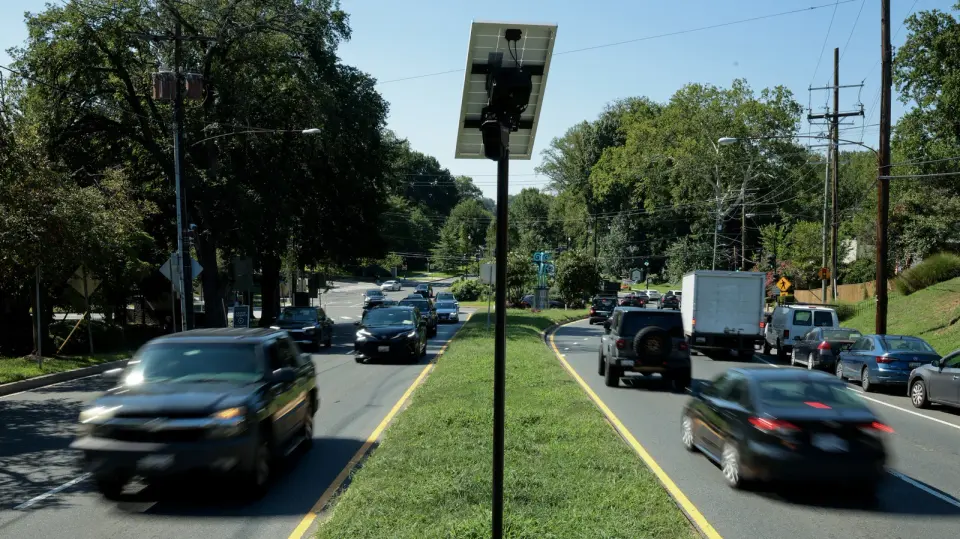
As backlash against Flock Safety’s automated license plate readers (ALPRs) grows, multiple police departments are terminating contracts with the company but replacing them with Axon’s similar technology. Critics argue this swap does not solve privacy issues, as Axon’s systems often offer more invasive features like live video feeds and longer data retention.
Key points
- Kenosha, Wisconsin, ended its Flock contract early, citing data security and undisclosed tracking capabilities, and switched to a $14.6 million Axon contract that includes 31 ALPR cameras.
- Durango, Colorado, will not renew its Flock contract in 2027, opting for Axon ALPRs while maintaining similar privacy safeguards, though residents remain concerned about the technology itself.
- Axon’s ALPR cameras, such as the Outpost model, can capture live video and integrate with other police data via the Fusus system, unlike Flock’s recent decision to stop offering live video feeds.
- Flock reduced its default data retention period to seven days, whereas Axon’s default remains 30 days with no strict limit on storage duration, though some states impose legal limits.
- Privacy advocates, including the Electronic Frontier Foundation and ACLU, argue that replacing Flock with Axon does not address the core issues of mass surveillance, as both technologies enable indiscriminate data collection.
Background
In late 2026, a nationwide backlash against Flock Safety’s ALPR cameras led to over 50 jurisdictions canceling or restricting their use. Florida’s DOT ordered the removal of state-road readers, but a Miami Herald analysis showed that city and county cameras remained widespread. Flock introduced safeguards like a seven-day data retention limit and an 'Evidence Mode' in response to public outcry and a Senate investigation. However, the broader issue of mass surveillance persists, with privacy advocates calling for uniform standards and warrant requirements across all ALPR providers.
How outlets are covering it
Jalopnik highlights that Axon’s ALPR cameras are potentially more invasive than Flock’s, as they offer live video feeds and integrate with other police data via the Fusus system, whereas Flock stopped offering live video. The Electronic Frontier Foundation and ACLU argue that swapping Flock for Axon does not solve privacy issues, as both technologies enable mass surveillance. FOX6 News Milwaukee emphasizes that Kenosha police are switching to Axon to gain greater control over data access, limiting sharing to Wisconsin and possibly neighboring Illinois. The Durango Herald notes that while Durango police are transitioning to Axon, residents remain concerned about the technology itself, with some urging the city to cancel ALPRs entirely. These perspectives show a divide between police departments seeking to maintain surveillance capabilities with different vendors and privacy advocates who argue that the technology itself is the problem, regardless of the provider.
Why it matters
The shift from Flock to Axon underscores that the core issue of mass surveillance via ALPRs remains unresolved. While police departments may believe they are addressing privacy concerns by switching vendors, critics argue that the technology itself enables indiscriminate data collection, and Axon’s systems may be more invasive. This highlights the need for stronger regulatory frameworks and public oversight to ensure that surveillance technologies are used responsibly and do not infringe on individual privacy.
What to watch
More police departments may follow Kenosha and Durango in switching from Flock to Axon or other ALPR providers. Privacy advocates will likely continue to push for stricter regulations, including warrant requirements and data deletion deadlines, to address the core issues of mass surveillance. The debate over ALPRs may also lead to further public scrutiny and potential legislative action at the state and federal levels.
- Flock Cameras Are Coming Down Around The Country Only To Be Replaced By The Same Technology With A Different Name Jalopnik
- Kenosha police ending Flock contract, moving to Axon FOX6 News Milwaukee
- Axon Is Being Asked to Disguise Its Cameras, After Flock Backlash Gadget Review
- Cops Are Asking Axon to Make Their Cameras Look Different From Flock So People Don't Destroy Them 404 Media
- Durango will end Flock Safety contract in 2027 Durango Herald
Want the full story? Read the original reporting
Read on Jalopnik