
Gates urges federal AI oversight as industry leaders clash over self-regulation
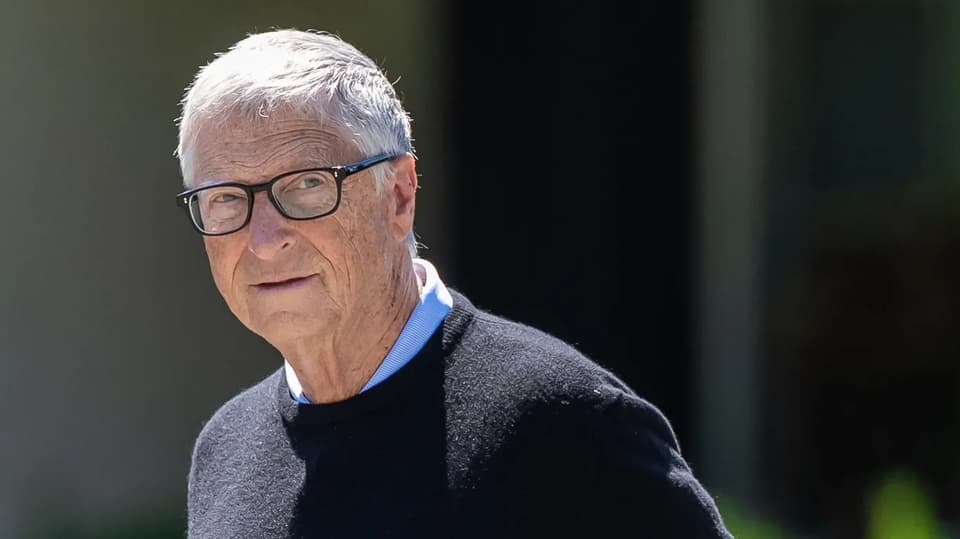
Bill Gates warned that AI could cause a billion deaths and called for mandatory government monitoring, arguing that industry self-regulation is insufficient. This follows recent calls from AI CEOs to slow development and a whistleblower's warning about reckless progress. While some leaders support federal and global standards, others like Mark Zuckerberg advocate for internal lab safety, and state governors are already implementing new regulatory frameworks.
Key points
- Bill Gates stated that AI is powerful enough to cause a billion deaths and requires law enforcement and political oversight, not just self-regulation.
- Gates acknowledged the risk of AI wiping out humanity but emphasized the immediate danger of bad actors using AI tools for large-scale harm.
- Anthropic and OpenAI CEOs recently agreed to slow the pace of AI development, following a whistleblower's claim that they are racing toward self-improving superintelligence.
- House Speaker Mike Johnson declined to bring lawmakers back to pass AI legislation, citing national security concerns and the lack of a clear path forward from AI companies.
- Governors in California, Maryland, and New York have recently issued executive orders or created offices to strengthen AI safety and regulatory compliance.
Background
The debate over AI governance has intensified as major tech leaders and policymakers weigh the risks of rapid AI advancement against the need for innovation. Previous discussions have highlighted the tension between voluntary industry standards and the potential need for mandatory federal or global regulations to ensure safety and prevent misuse.
How outlets are covering it
NBC News highlights Gates' call for mandatory government monitoring and contrasts it with Mark Zuckerberg's preference for internal lab safety and House Speaker Mike Johnson's reluctance to legislate. The Chronicle of Philanthropy, while not directly addressing the AI safety debate, notes Gates' shift in philanthropic focus from anti-poverty efforts to AI, suggesting a broader strategic pivot by the Microsoft co-founder. Axios, though limited in the provided text, frames the issue around the potential for AI to cause massive harm, aligning with Gates' warnings.
Why it matters
The push for AI regulation reflects growing concerns about the technology's potential to cause widespread harm, both through misuse by bad actors and through existential risks. As AI capabilities advance, the lack of clear federal guidelines could lead to unregulated development, potentially exacerbating safety issues and geopolitical tensions, particularly with China.
What to watch
Expect continued pressure on federal lawmakers to establish AI regulations, as state-level actions and industry calls for slowdowns gain momentum. The debate may also extend to international cooperation, particularly with China, as AI companies and governments seek to balance innovation with safety.
- Bill Gates warns AI is powerful enough to cause "a billion deaths" axios.com
- Bill Gates says AI companies self-regulating isn’t enough and governments should be involved in monitoring NBC News
- Bill Gates pushes for 'smart use' of AI as his foundation builds more representative language data AP News
- Gates closed down a half billion anti-poverty effort and instead banked on AI Chronicle of Philanthropy
- Bill Gates Says AI Development Needs Federal Regulation The Bobby Bones Show
Want the full story? Read the original reporting
Read on axios.com