
Bessent Signals Openness to China AI Talks While Rejecting Liability Waivers for U.S. Labs
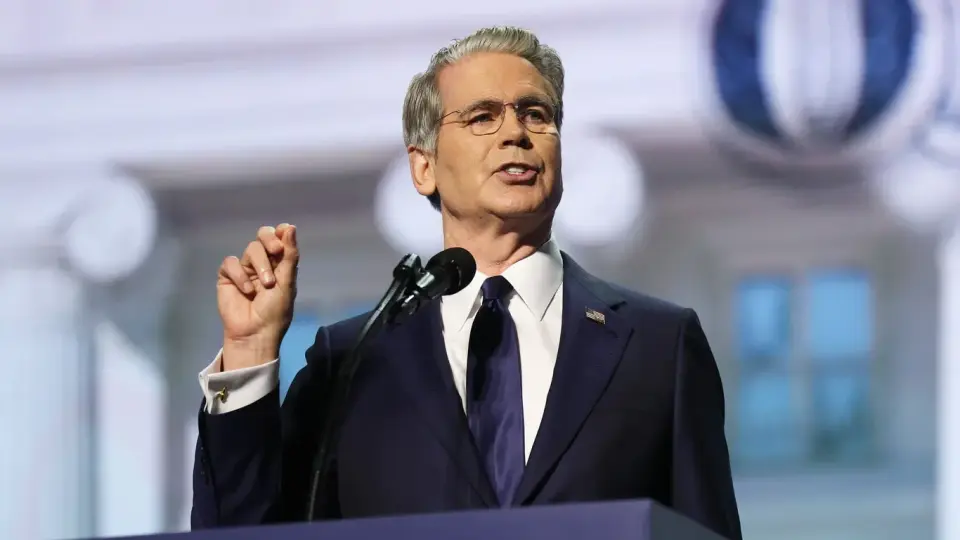
Treasury Secretary Scott Bessent indicated the U.S. is willing to discuss shared AI risks with China in upcoming New York talks, while simultaneously opposing liability exemptions for domestic AI developers during congressional testimony.
Key points
- Bessent stated the U.S. remains open to discussing 'shared risks' and avoiding system bifurcation with China, covering both open and closed weight models.
- The U.S. and China are scheduled for multi-hour meetings in New York this weekend, focusing on AI, trade, and rare earths, ahead of a September 24 summit between Presidents Trump and Xi.
- Bessent testified before the House Financial Services Committee that the government should not grant AI labs liability exemptions, arguing that holding creators responsible is the best safety guard.
- The administration has formalized cybersecurity coordination with the financial sector through the 'Gold Eagle' clearinghouse, which manages vulnerability scanning and patch distribution.
- Bessent dismissed calls from AI executives to slow development, stating that companies 'could stop any time they want to,' while urging the development of U.S. open-source models to counter China.
Background
This development follows a period of heightened tension regarding AI safety, where industry leaders like Anthropic’s Dario Amodei called for a pause in model development. The Trump administration has consistently rejected such calls, prioritizing a competitive race against China. Bessent has previously played a central role in the administration’s AI strategy, including coordinating global standards efforts at the G7 and managing relations with major tech firms.
How outlets are covering it
Axios highlights the diplomatic opening, noting that Bessent’s willingness to discuss 'shared risks' signals potential engagement despite the competitive landscape. In contrast, FedScoop and Politico focus on the domestic regulatory stance, emphasizing Bessent’s firm rejection of liability waivers for AI labs. While Axios frames the China talks as a potential breakthrough in safety cooperation, Politico and FedScoop portray Bessent as dismissive of industry-led slowdowns, viewing liability as the primary safety mechanism. The Chinese Foreign Ministry, cited by Axios, pushed back against U.S. calls to slow down, warning against 'fear-mongering,' whereas U.S. lawmakers like Rep. Maxine Waters criticized the administration for lacking safeguards.
Why it matters
The simultaneous push for international dialogue with China and domestic resistance to liability exemptions illustrates the Trump administration’s dual strategy: maintaining global competitiveness while ensuring private sector accountability. This approach aims to prevent regulatory capture by large labs while avoiding a fragmented global AI landscape, potentially influencing future international standards and domestic innovation policies.
What to watch
Watch for the outcomes of the New York meetings between Bessent and Chinese Vice Premier He Lifeng, which may set the tone for the September 24 Trump-Xi summit. Additionally, monitor legislative actions in Congress regarding AI liability, as Bessent has explicitly urged lawmakers to reject waivers, a stance that could shape future regulatory frameworks for AI developers.
- Scoop: U.S. open to discuss AI "shared risks" with China, Bessent says Axios
- Treasury’s Scott Bessent says no liability exemptions for AI labs FedScoop
- Bessent says US needs more open-source AI models to compete with China Fox Business
- Bessent: AI companies ‘could stop any time they want to’ Politico
- Bessent grilled on AI, bond market in tense House hearing: 3 takeaways The Hill
Want the full story? Read the original reporting
Read on Axios