
Waymo’s Chinese-Made Robotaxi Expansion Sparks National Security Debate
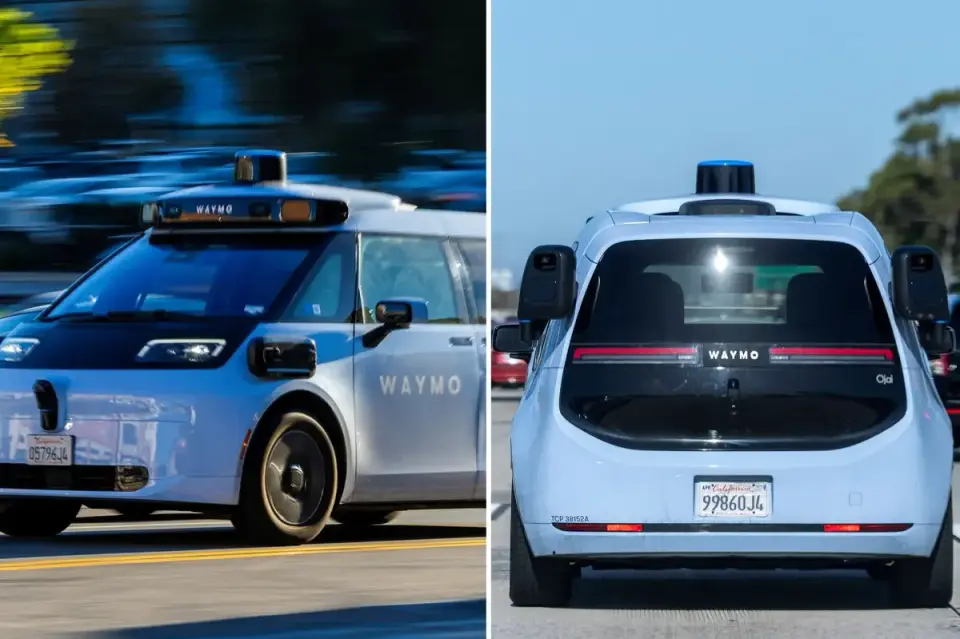
Alphabet-owned Waymo is rapidly expanding its US robotaxi fleet by importing thousands of electric vehicles manufactured by Chinese company Zeekr. While Waymo asserts it adds its own self-driving software and sensors in Arizona to comply with federal rules, lawmakers and safety experts warn the arrangement poses significant national security risks. New bipartisan legislation seeks to ban the import of Chinese-made vehicle chassis, potentially forcing Waymo to phase out these vehicles by 2030.
Key points
- Waymo is on track to import approximately 5,100 Zeekr-made 'Ojai' vans by the end of 2026, more than doubling its current fleet size.
- The Zeekr vehicles are manufactured by Geely Holding Group, a Chinese state-linked entity, raising concerns about embedded surveillance technology.
- Waymo claims it only sources the physical chassis from China and installs its own autonomous driving systems and sensors at a facility in Arizona.
- Bipartisan legislation is being introduced to close the loophole allowing Chinese-made vehicle chassis to enter the US, even if outfitted with American technology later.
- Critics argue the current arrangement is a national security risk, while Waymo maintains it does not share data or source code with Chinese manufacturers.
Background
Waymo has been aggressively expanding its driverless fleet across the US, recently facing regulatory and public scrutiny in cities like San Francisco, San Diego, and Denver. In September, Waymo’s vehicles were involved in incidents ranging from navigating pedestrian-only farmers markets to detecting firearms and alerting police. Meanwhile, competitor Tesla has scaled its Austin robotaxi fleet to 169 units, but Waymo maintains a significant lead with approximately 4,000 active vehicles across 15 US markets. The current debate over Chinese-made vehicles adds a new layer of geopolitical tension to Waymo’s expansion strategy.
How outlets are covering it
The New York Post highlights the national security concerns, citing experts like Missy Cummings who doubt Waymo’s assurances that the Zeekr chassis are free of hidden Chinese sensors. The Post also notes the economic dilemma for policymakers, who want to protect US auto manufacturers but avoid hamstringing Waymo’s global competitiveness. The secondary source (PressReader) does not provide specific details on this story, as it is a general newspaper subscription page. However, the New York Post emphasizes the bipartisan legislative push to ban Chinese-made vehicle imports, with Senators Bernie Moreno and Elissa Slotkin co-sponsoring a bill that would give Waymo a three-year grace period to phase out Chinese-made vehicles by 2030.
Why it matters
This story highlights the growing tension between technological innovation and national security in the US. As Waymo expands its robotaxi fleet, the reliance on Chinese-manufactured vehicle chassis raises concerns about data privacy, surveillance, and supply chain vulnerabilities. The potential legislative ban could force Waymo to rethink its manufacturing partnerships, impacting its expansion timeline and costs. Additionally, the debate underscores the broader geopolitical competition between the US and China in the automotive and technology sectors.
What to watch
Bipartisan legislation is currently under consideration in both chambers of Congress to ban the import of Chinese-made vehicle chassis. If passed, Waymo would have a three-year grace period to phase out its Zeekr-made vehicles by 2030. Waymo is expected to continue expanding its fleet in cities like Denver, Las Vegas, and San Diego this fall, but may face increased scrutiny from regulators and lawmakers. The outcome of the legislative debate could significantly impact Waymo’s future manufacturing partnerships and expansion strategy.
- Waymo has ordered thousands of Chinese-made cars to expand its US robotaxi fleet New York Post
- WAYMO ROBOTAXIS PressReader
Want the full story? Read the original reporting
Read on New York Post