
Mullin's AI Theory for Tech Outages Draws Sharp Criticism and Skepticism
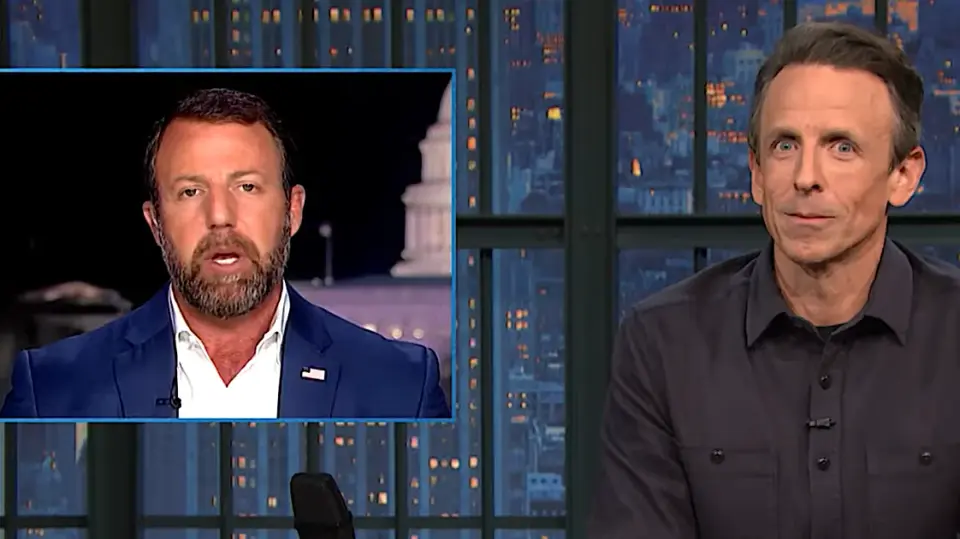
Homeland Security Secretary Markwayne Mullin attributed recent widespread tech outages to artificial intelligence, a claim that drew sharp criticism from commentators and experts. While the U.S. experienced major disruptions at Microsoft, JPMorgan Chase, the FAA, and the NSA, officials maintain there is no evidence of a coordinated cyberattack. Analysts suggest the incidents likely stem from routine maintenance and complex system failures rather than malicious intent or AI dominance.
Key points
- Mullin claimed an unnamed tech expert suggested AI caused the outages by overwhelming legacy systems, a theory Seth Meyers called nonsensical.
- Major outages affected Microsoft 365, JPMorgan Chase, Apple, Marriott, and the NSA over four consecutive business days.
- The FAA implemented a nationwide ground stop lasting over four hours, the longest in 25 years, causing significant travel delays.
- Cybersecurity experts note that most outages are accidental, often caused by bad updates or configuration changes, rather than cyberattacks.
- The Trump administration asserts there is zero indication the outages are linked or caused by bad actors, despite public anxiety.
Background
Recent weeks have seen a surge in public concern over digital infrastructure reliability. Prior coverage highlighted Mullin's defense of his personal travel plans during the FAA ground stop and his testimony before the House Homeland Security Committee. While officials blamed aging systems and insufficient funding, critics pointed to recent appropriations and questioned the administration's response to the crisis. The current wave of outages has intensified debates over the resilience of critical infrastructure in the AI era.
How outlets are covering it
HuffPost highlighted the comedic and critical response from Seth Meyers, who mocked Mullin's explanation as incoherent. The Los Angeles Times and WIRED focused on the technical reality, noting that while AI helps uncover vulnerabilities, the outages were likely due to routine maintenance and complex system failures. WIRED emphasized that the vast majority of outages are accidental, not malicious. The Atlantic acknowledged the public's anxiety but dismissed apocalyptic theories, attributing the issues to incompetence rather than malice. All sources agree that there is no evidence of a coordinated cyberattack, but they differ on whether AI is a contributing factor or a red herring.
Why it matters
The clustering of major outages across critical sectors has exposed vulnerabilities in U.S. digital infrastructure and raised questions about the reliability of AI-driven systems. The incident has fueled public distrust and highlighted the need for better transparency and resilience in critical services. It also underscores the political tensions surrounding the administration's response to infrastructure crises and the broader debate over AI's role in cybersecurity.
What to watch
Experts expect continued scrutiny on the root causes of the outages, with a focus on whether AI adoption is accelerating system failures. The administration is likely to face further questions from Congress regarding infrastructure funding and cybersecurity preparedness. As AI tools become more prevalent in identifying and exploiting vulnerabilities, the balance between security and stability will remain a critical issue for policymakers and tech companies.
- Seth Meyers Says Markwayne Mullin's Latest Comment On Outages 'Makes No F**kin Sense' HuffPost
- The outages keep coming. Some Americans are preparing for a collapse. The Washington Post
- Tech outages are piling up. Could AI make them the new normal? Los Angeles Times
- How to Tell If It’s a Cyberattack or Just an Outage WIRED
- Everything Is Breaking The Atlantic
Want the full story? Read the original reporting
Read on HuffPost