
AI Chat Logs Are Not Private: Employers, Police, and Courts Can Access Them
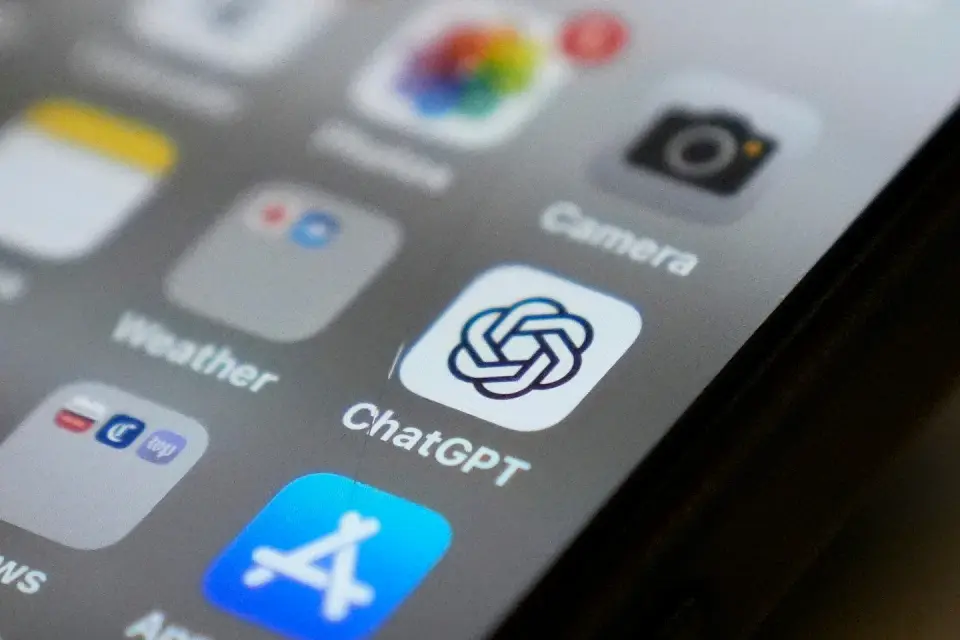
Conversations with AI chatbots are not private. Employers, tech companies, and law enforcement can access these records. Courts are increasingly using AI chat logs as evidence in civil and criminal cases, despite the lack of legal privilege for such communications.
Key points
- AI chatbot conversations are not confidential and can be accessed by employers, tech companies, and police.
- Courts are using AI chat logs as evidence in civil and criminal cases, including a teen's ChatGPT history and a Florida case involving threats.
- AI chat logs can be obtained through subpoenas, discovery, or phone searches.
- OpenAI may report dangerous content to authorities, and government data requests are rising.
- Legal experts warn that AI tools hold more personal data, but courts have not established a privilege for AI-chat conversations.
Background
In August 2026, The Washington Post reported that private AI conversations are increasingly used as evidence in criminal and civil cases, exposing personal thoughts and disclosures. The Post identified 12 public court uses in two years, including a teen whose ChatGPT history was accessed in a suit against major platforms, and a Florida case where chats aided prosecutors in linking threats. Chats can be obtained via subpoenas, discovery, or phone searches, and OpenAI may report dangerous content to authorities as its data requests from government rise. Legal experts warned the trend could grow as AI tools hold more personal data, since courts have not established a privilege for AI-chat conversations.
How outlets are covering it
The Washington Post emphasizes the broad accessibility of AI chat logs by employers, tech companies, and police, highlighting the lack of privacy protections. Law.com focuses on the legal implications, noting that courts have split over work-product protection for AI chats and that the discovery process can expose what the tool received, retained, and produced. While The Washington Post highlights the general privacy risks, Law.com delves into the specific legal battles and the lack of privilege for AI-chat conversations in litigation.
Why it matters
As AI chatbots become more integrated into daily life, the lack of privacy protections for these conversations poses significant risks to individuals. Employers, tech companies, and law enforcement can access these records, and courts are increasingly using them as evidence. This trend could lead to the exposure of personal thoughts and disclosures, with no legal privilege to protect such communications. The rising use of AI chat logs in legal cases underscores the need for clearer privacy regulations and protections for AI interactions.
What to watch
Courts will likely continue to grapple with the legal status of AI chat logs, potentially leading to new precedents regarding privacy and privilege. Tech companies may face increased scrutiny over their data handling practices, and individuals may need to be more cautious about what they share with AI chatbots. Regulatory bodies may also step in to establish clearer guidelines for AI data privacy and protection.
- Your boss, tech companies and police can read your chatbot conversations The Washington Post
- They confided in ChatGPT. Their secrets ended up in court. Yahoo
- A teenager asked ChatGPT for advice. Then his messages became public Cleveland.com
- Chatbot Conversations Are Quietly Becoming Evidence Newser
- The AI Discovery Fight Starts Before the Privilege Log Law.com
Want the full story? Read the original reporting
Read on The Washington Post