
Waymo Secures CPUC Approval to Triple California Service Area
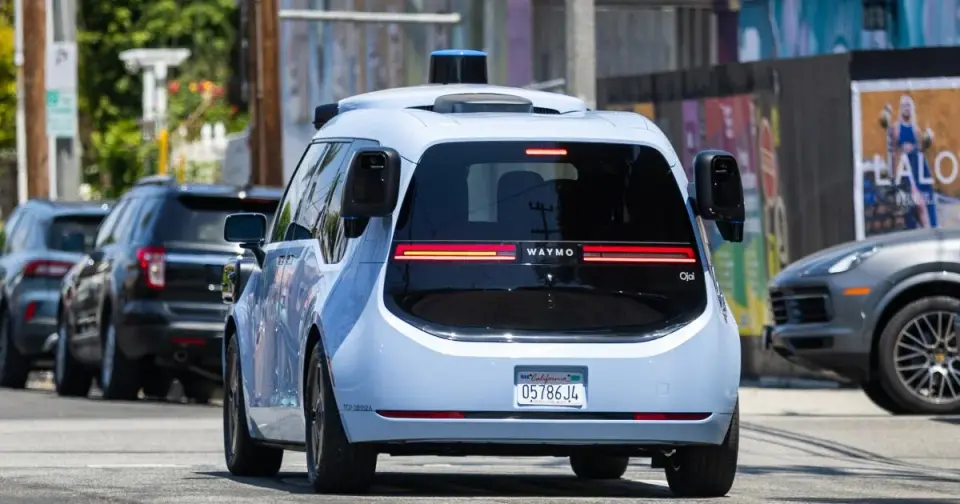
The California Public Utilities Commission has granted Waymo permission to expand its autonomous ride-hailing service across 18 counties, significantly increasing its operational footprint in the state. The approval covers new regions including San Diego and Sacramento, as well as expanded zones in the Bay Area and Los Angeles. While the company aims to launch rider-only service in San Diego later this summer, it will continue validating technology in Sacramento. This expansion follows the recent introduction of the Ojai vehicle, a larger and more cost-effective alternative to the previous Jaguar I-Pace fleet.
Key points
- The California Public Utilities Commission approved Waymo’s application to operate in 18 counties, more than tripling its service area in California.
- The expansion includes new markets in San Diego and Sacramento, as well as broader coverage in Marin, Napa, Orange, and Riverside counties.
- Waymo plans to launch rider-only service in San Diego later this summer, while continuing to validate its technology in Sacramento.
- The company recently introduced the Ojai, a new autonomous vehicle that is larger and cheaper to produce than the previously used Jaguar I-Pace.
- Waymo’s fleet has driven over 220 million fully autonomous miles, with data suggesting a 94% reduction in serious injury collisions compared to human drivers.
Background
Waymo has been aggressively expanding its autonomous vehicle operations across the United States. In July 2026, the company began offering fully driverless rides in four new U.S. cities, including San Diego, Las Vegas, Tampa, and Denver. This latest California approval builds on that momentum, following the launch of the Ojai vehicle in May 2026, which was designed to improve legroom and performance in snowy conditions. The expansion also occurs amid competitive pressure from other autonomous vehicle developers, such as Amazon’s Zoox, which recently launched paid driverless rides in Las Vegas, and Tesla, which has been expanding its robotaxi operations in Florida and the Bay Area.
How outlets are covering it
The Los Angeles Times emphasizes the scale of the expansion, noting that the approval will more than triple Waymo’s service area in California and highlights the company’s safety record, including a 94% reduction in serious injury collisions. The Sacramento Bee focuses on the local impact in Sacramento, noting that city councilmember Phil Pluckebaum suggested robotaxi rides could begin as early as August, although Waymo has not provided a specific timeline. KCRA reports on the regulatory approval and notes that city leaders in Sacramento view driverless vehicles as a potential safety benefit, while others question the vehicles’ ability to adapt to unexpected situations. All three sources agree on the CPUC approval and the phased rollout, but differ in their emphasis on the timeline and local impact.
Why it matters
The approval marks a significant milestone for Waymo, allowing it to expand its autonomous vehicle service across a much larger portion of California. This expansion could increase the availability of driverless rides for millions of Californians and further solidify Waymo’s lead in the autonomous vehicle market. The introduction of the Ojai vehicle, which is larger and cheaper to produce, could also make the service more sustainable and scalable. However, the expansion also raises questions about safety and public acceptance, as Waymo vehicles have been involved in collisions, including one that killed a cat in San Francisco last year.
What to watch
Waymo plans to launch rider-only service in San Diego later this summer, while continuing to validate its technology in Sacramento. The company has not provided a specific timeline for the full rollout in Sacramento, but it is expected to begin with local employees before expanding to the general public. The expansion will likely follow a demand-based model, with midtown and downtown Sacramento being the first areas to see rides, followed by surrounding neighborhoods such as South Natomas and Land Park.
- Waymo wins approval for drastic expansion in Los Angeles, Bay Area regions Los Angeles Times
- Waymo gets green light from state regulators to operate in Sacramento, company says KCRA
- Waymo just cleared key hurdle in Sacramento. Where robotaxi rides could come first sacbee.com
- Waymo gains approval to launch fully autonomous ride-hailing in Sacramento ABC10
- Waymo just expanded its Bay Area service map. Bodega Bay could be the next stop San Francisco Chronicle
Want the full story? Read the original reporting
Read on Los Angeles Times