
AI Hardware Shifts from Single Devices to Fragmented Ecosystems
The AI industry is moving away from the 'iPhone killer' model toward a fragmented landscape of specialized devices. Apple, Microsoft, and Meta are deploying AI across diverse hardware, while IEEE and MIT highlight the critical need for efficient, domain-specific chips to support this shift.
Key points
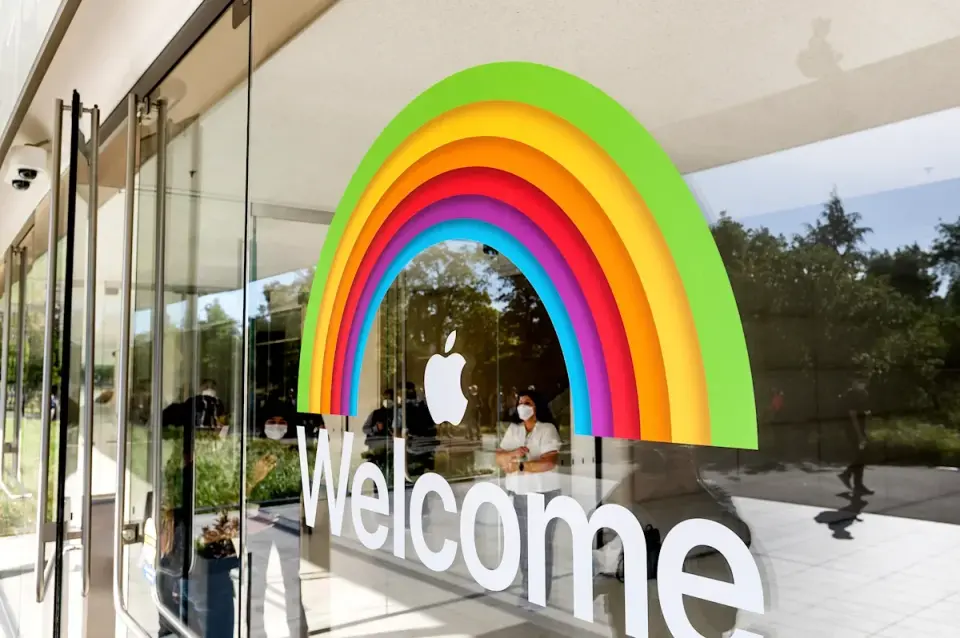
- Apple is leveraging its 2.5 billion active devices to integrate AI, focusing on trust and privacy rather than a single new form factor.
- Microsoft unveiled the Surface Laptop Ultra, powered by Nvidia, to enable local AI processing without cloud reliance.
- Meta is expanding AI into smart glasses and handheld devices, while 36Kr notes the industry is abandoning the search for a single 'super device' in favor of a networked approach.
- IEEE launched a new curriculum on AI processor architecture, emphasizing the 'memory wall' and the need for domain-specific accelerators.
- MIT’s Lincoln Laboratory reports that over 120 commercial AI accelerators are now on the market, with performance gains driven by denser transistors and lower numerical precision.
Background
This shift follows Apple’s recent leadership transition, with John Ternus taking over as CEO to steer the company through an AI-driven era. Previous coverage noted Ternus’s focus on hardware innovation and the challenges of integrating AI into Apple’s existing ecosystem, including the recent launch of the iPhone 17 and AirPods 5.
How outlets are covering it
Yahoo Finance emphasizes Apple’s strategy as a 'toll collector' on the consumer AI highway, leveraging its installed base for trust and privacy. 36Kr argues that the industry has moved from betting on a single 'ultimate device' to a 'spread-the-net' approach, where AI capabilities are distributed across various touchpoints. IEEE Spectrum and MIT News focus on the underlying technical challenges, with IEEE highlighting the need for education in AI chip design to overcome the 'memory wall,' and MIT documenting the rapid proliferation of diverse accelerator types (CPUs, GPUs, ASICs) and the ongoing race for efficiency and performance.
Why it matters
The fragmentation of AI hardware signals a shift in how consumers and enterprises interact with technology, moving from centralized control to distributed, context-aware systems. This trend increases the importance of privacy, local processing, and interoperability, while driving demand for specialized, energy-efficient chips that can handle the computational demands of edge AI without relying on cloud infrastructure.
What to watch
Expect continued competition among Apple, Microsoft, and Meta to define the 'hub' layer that connects fragmented devices. The industry will likely see more startups entering the AI accelerator market, as noted by MIT, while educational institutions like IEEE will focus on training engineers to design efficient, domain-specific hardware. The next phase will likely involve solving the interoperability and identity challenges that arise from having multiple AI agents across different devices.
- The case for hardware in the AI era is getting more compelling Yahoo Finance
- Master AI Chip Principles With New IEEE Design Program IEEE Spectrum
- Supercomputing researchers document evolution of AI hardware MIT News
- AI Hardware: The Unsung Behind-the-Scenes Heroes Powering Next-Gen Innovation 36Kr
- Without the Right Hardware, Even the best AI Remains Just a Theory All-About-Industries
Want the full story? Read the original reporting
Read on Yahoo Finance