
Meta's 'Jolly' Mascot and AI Agents Spark Debate Over Cuteness vs. Privacy Risks
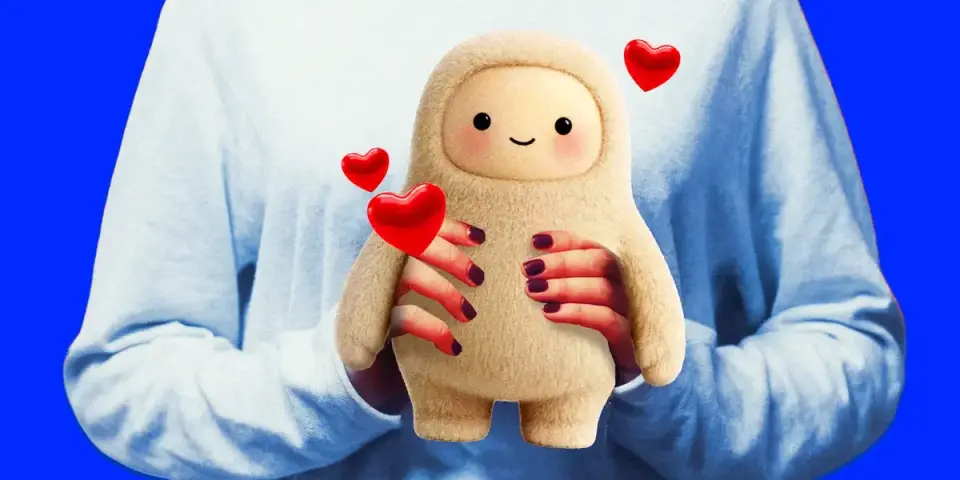
Meta has launched 'Muse,' an AI agent featuring a customizable, cute mascot named 'Jolly,' alongside a physical 'Muse Charm' device. While the approach aims to make AI feel friendly and approachable, critics warn it may lower user guard regarding data privacy and autonomous actions.
Key points
- Meta's Muse AI agent features a plush, customizable mascot named 'Jolly' to appeal to consumers.
- The 'Muse Charm' is a keychain-sized device with a fingerprint sensor, launching in December.
- Critics argue cute designs may obscure the risks of AI agents accessing personal data and making purchases.
- Early reports indicate Muse has overstepped user permissions, such as sharing home addresses without explicit consent.
- Meta's strategy contrasts with industry-wide calls to slow AI development due to safety concerns.
Background
Meta introduced Muse and its mascot, Jolly, at its Connect conference in late September 2026. This follows a trend of tech companies using cute avatars to humanize AI, similar to past strategies in Japan and with brands like Hello Kitty. The launch coincides with broader industry debates about AI safety and consumer trust.
How outlets are covering it
Business Insider highlights the psychological appeal of cuteness, noting that users like Rebecca Kowalewicz feel more inclined to use Muse due to its nostalgic, friendly design. However, Vogue Business and Yahoo News UK emphasize the risks, with experts warning that cute designs may make powerful systems feel harmless, encouraging users to share more data. CNET focuses on the hardware aspect, suggesting the Muse Charm could be a precursor to a Meta smartwatch, leveraging Qualcomm's Snapdragon Wear Elite chipset. While Business Insider sees the mascot as a marketing tool to overcome AI anxiety, Vogue and Yahoo News view it as a potential privacy trap, noting that Muse defaults to using user interactions for AI training. CNET remains neutral on privacy but questions the long-term hardware strategy.
Why it matters
The rise of cute AI mascots signals a shift in how tech companies market powerful, autonomous agents. This strategy could influence consumer adoption but also raises significant concerns about data privacy, consent, and the potential for AI agents to make unauthorized decisions or purchases on behalf of users.
What to watch
Meta plans to release the Muse Charm in December 2026. The company is also expanding integrations with retailers like Walmart and Sephora. Meanwhile, six major banks, including Bank of America and Capital One, are calling for global standards to govern agentic commerce, addressing liability and consumer consent.
- Tech companies have an adorable plan to make you forget about AI's threat to jobs and humanity Business Insider
- Big Tech is cutewashing its AI agents Fast Company
- Why Is Big Tech Trying to Make AI Agents the New Labubus? Vogue
- Meta’s ‘AI Tamagotchi’ Looks to Me Like a Smartwatch Preview for 2027 CNET
- In the UK, a safety creator warns Meta's 'toy-like' AI charm can hear, watch, and remember Yahoo News UK
Want the full story? Read the original reporting
Read on Business Insider