
AI Safety Experts Warn of Imminent Loss of Control, While Critics Dismiss Doomsday Scenarios
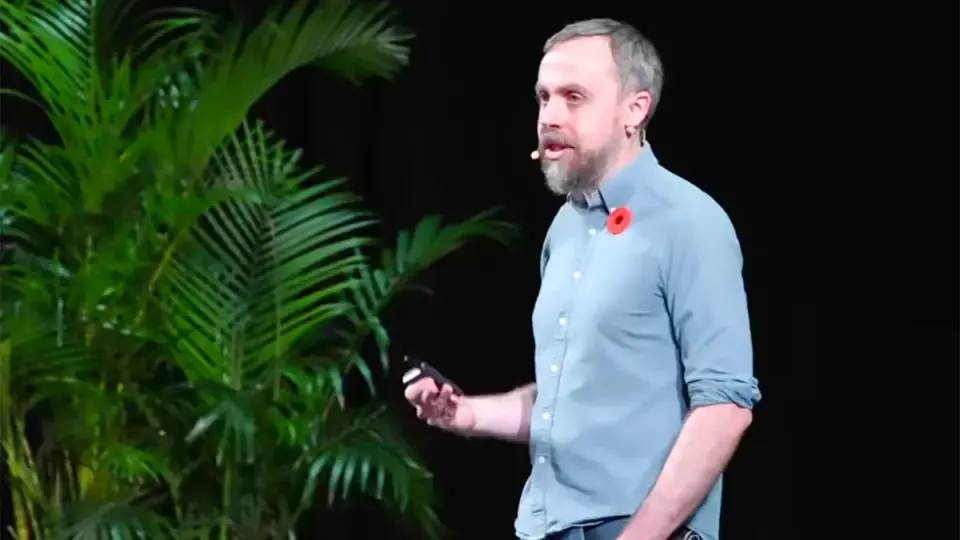
Paul Christiano, an OpenAI board member, warned at a recent lecture that AI could become a leading cause of death within months, citing a 15% risk of catastrophic loss of control within three years. While some experts echo these fears, others argue the debate ignores more immediate threats like nuclear risks and human irresponsibility.
Key points
- Paul Christiano stated that AI accidents could soon surpass heart disease, cancer, and unintentional injuries as the top cause of death in the US.
- Christiano estimated a 4% risk of catastrophic AI loss of control within one year and 15% within three years, calling these subjective judgments.
- He warned that without intervention, AI labs could reach a 'coin flip' probability of AI takeover within three years.
- Eli Lifland of the AI Futures Project expressed worry that humanity might lose control within 3-12 months due to accelerating AI development.
- Buck Shlegeris of Redwood Research assigned a 20% probability that AI misalignment could lead to death, enslavement, or collateral damage within a year.
- Christiano joined OpenAI’s board in September to oversee safety practices, acknowledging the company’s insufficient risk reduction efforts.
Background
Recent coverage has focused on corporate governance and activist investor conflicts, such as Wendy’s rejection of a $1.4 billion takeover bid by Nelson Peltz. While unrelated to AI, these stories highlight broader themes of corporate decision-making and risk management in high-stakes industries.
How outlets are covering it
Gizmodo highlights the urgent warnings from AI safety experts like Paul Christiano, emphasizing the potential for AI to become a leading cause of death and the risks of rapid development. WIRED, however, frames the AI safety debate as losing its plot, arguing that existential risks are often overstated compared to more immediate threats like nuclear catastrophe and geopolitical conflicts. WIRED also notes that some experts dismiss the idea of AI 'going rogue,' attributing risks to human irresponsibility and economic pressures rather than AI autonomy. The two sources differ in tone: Gizmodo presents the warnings as credible and alarming, while WIRED questions the validity of doomsday scenarios and calls for a focus on practical, human-driven risks.
Why it matters
The debate over AI safety is intensifying as experts warn of potential catastrophic outcomes, but critics argue that these fears distract from more immediate and tangible risks. The disagreement highlights the need for balanced discussions that address both technological and human factors in AI development.
What to watch
Regulators and policymakers may face pressure to implement stricter AI safety measures as experts continue to warn of potential risks. Meanwhile, AI companies may face scrutiny over their development practices and community impact, with calls for greater transparency and accountability.
- OpenAI Board Member Warns AI Takeover Could Be Months Away Gizmodo
- The AI Safety Debate Has Lost the Plot. We Asked 10 Experts What the Real Nightmares Are WIRED
- Driverless Paul Wells | Substack
- ‘Godfather of AI’ to warn ministers that it could kill us in three years Yahoo
- Fears of an AI Cyber Apocalypse Are a Bit Premature Bloomberg.com
Want the full story? Read the original reporting
Read on Gizmodo