
Amazon Drone Expansion Faces Noise and Privacy Backlash in Texas Communities
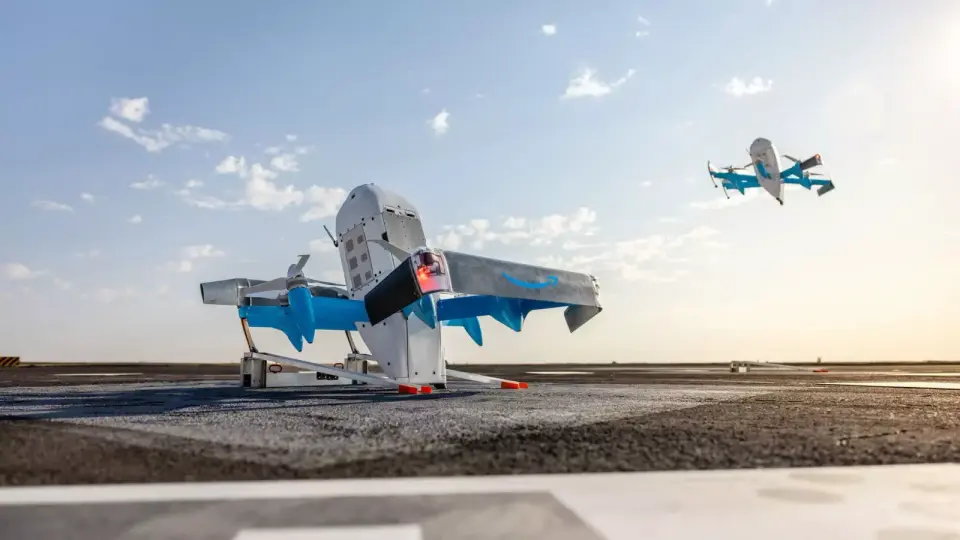
Amazon’s Prime Air drone delivery service is expanding to 500 US cities by year-end, but early operations in Richardson and Waco, Texas, have sparked resident complaints about noise, privacy, and limited local recourse. While Amazon reports overwhelmingly positive feedback, locals describe persistent buzzing and data concerns, highlighting a growing tension between rapid technological expansion and community impact.
Key points
- Amazon aims to launch drone delivery in 500 US towns and cities by the end of 2026, expanding from its current footprint of 11 active locations.
- In Richardson, Texas, drones operate within a 7.5-mile radius between 7 am and 8 pm, flying at altitudes between 225 and 400 feet, which residents find disruptive.
- Residents in Richardson and Waco report hearing drones indoors, with some describing the sound as comparable to a lawn mower or mosquito, despite Amazon claiming the noise is similar to a window fan.
- Privacy concerns persist as drones use cameras and sensors; Amazon states images are encrypted and used only for safety, but residents worry about data transparency.
- Local governments lack authority to restrict drone airspace, as the FAA regulates flight paths and has determined commercial drones have no significant environmental impact.
Background
Amazon has been aggressively scaling its Prime Air service since 2025, targeting one million deliveries this year and expanding into states like Illinois, Georgia, and Ohio. Previous incidents, including packages dropped into swimming pools in Texas and Arizona, have raised safety questions. The current backlash in Texas follows earlier coverage of suburban residents reporting loud noises and privacy risks, setting the stage for potential nationwide opposition as the service scales.
How outlets are covering it
TechSpot emphasizes the structural limits of local control, noting that while cities like Richardson can regulate zoning, they cannot restrict airspace, leaving residents with few options for recourse. KWTX highlights a more mixed local reception in Waco, where some residents appreciate the convenience and speed of delivery, while others express anxiety about future job displacement and the cumulative effect of constant drone presence. Both outlets acknowledge Amazon’s claim that noise complaints represent less than 1% of inquiries, but contrast this with resident testimonials describing the sound as intrusive and persistent.
Why it matters
The friction in Texas serves as a preview of the broader societal challenges Amazon will face as it scales Prime Air to 500 cities. The dispute underscores the gap between federal regulatory approval and local community tolerance, potentially influencing future policy debates on urban airspace, data privacy, and the environmental impact of autonomous delivery networks.
What to watch
Amazon plans to continue expanding Prime Air to hundreds of additional US cities by the end of 2026. The company is also rolling out newer, quieter drone models, such as the MK30, to address noise complaints. Residents in affected areas are organizing to raise concerns in other cities where Amazon may expand, while local governments remain limited in their ability to impose restrictions on flight paths or operating hours.
- Amazon's delivery drones are annoying an entire Texas neighborhood, and there's nothing they can do about it TechSpot
- It’s Raining Boxes: Amazon Drones Overwhelm a Texas Suburb The New York Times
- Amazon drone delivery service drawing noise complaints from Richardson residents: "It's just a nuisance" CBS News
- Worth the buzz? Waco residents weigh in on Amazon drone delivery as the service prepares to expand to hundreds of U.S. cities KWTX
- We have a love-hate relationship with technology, and that’s never going to change Fast Company
Want the full story? Read the original reporting
Read on TechSpot