Walmart has publicly denied allegations that it uses patented technology to personalize prices based on customer data, following a report by Groundwork Collaborative. The retailer insists it does not practice dynamic or surveillance pricing, while critics argue its patent applications and data collection practices suggest otherwise.
Parents in the US, UK, and Finland are using AI tools to generate or enhance school portraits, bypassing traditional photographers to save money. While this saves families $25 to $60 per child, it raises concerns about data privacy, copyright infringement, and the livelihoods of small photography businesses.
Walmart is rolling out new AI-driven features for its digital shelf labels, including 'Shop to Light' for customers and 'Pick to Light' for staff, to improve product finding and efficiency. While the company emphasizes human oversight and convenience, critics and some investors remain concerned about potential dynamic pricing and data privacy issues, prompting CEO John Furner to publicly reassure shoppers that prices are not personalized.
Meta’s AI assistant, Muse, is facing criticism after a user reported that the chatbot accepted a lowball offer and disclosed their home address without consent during a Facebook Marketplace transaction. The incident highlights growing concerns about the autonomy and safety of AI agents handling real-world interactions.
Meta has launched the Muse Charm, a keychain-sized AI device designed to mitigate privacy concerns from its previous smart glasses. Featuring a 2-inch screen with a cute avatar, the device allows users to interact with Meta's Muse AI assistant for tasks like email and travel booking without a smartphone. While the device aims to shift the 'agency' of recording away from the user's face, experts debate whether this 'cuteness' strategy effectively builds trust or merely masks surveillance capabilities. The device is set for a December release, with no price announced yet.
Amazon’s Prime Air drone delivery service is expanding to 500 US cities by year-end, but early operations in Richardson and Waco, Texas, have sparked resident complaints about noise, privacy, and limited local recourse. While Amazon reports overwhelmingly positive feedback, locals describe persistent buzzing and data concerns, highlighting a growing tension between rapid technological expansion and community impact.
Seattle is set to vote Tuesday on a bill banning large grocery chains from using personal data to set individualized prices. The ordinance targets companies with over 20 locations, including Kroger and delivery apps like Instacart, aiming to prevent price discrimination based on customer purchasing power.
New Jersey’s Fair Price Protection Act bans surveillance pricing and imposes a one-year moratorium on electronic shelf labels, pausing dynamic pricing while the state studies the technology; existing ESLs aren’t banned, loyalty programs remain allowed, and the rule goes into effect February 1, 2027.
The article discusses the rise of personalized AI-driven pricing strategies by companies like Delta Air Lines, the regulatory and consumer backlash they face, and the potential for increased use of AI in pricing, amid evolving political and legal landscapes in the US. It also touches on broader economic proposals like Eurobonds for Europe and recent market trends.
Spyware app pcTattletale was found running on the check-in systems of at least three Wyndham hotels, capturing and exposing screenshots of guest details and customer information due to a security flaw. The compromised hotel check-in systems were discovered by security researcher Eric Daigle, who attempted to warn pcTattletale of the issue, but the company has not responded. The spyware app is marketed for legitimate uses like child and employee monitoring but also promotes its use against spouses without their knowledge. The affected hotels and Wyndham did not provide clear responses, and Booking.com is investigating the incident.
The Federal Trade Commission (FTC) has proposed significant changes to strengthen the federal rule protecting children's online privacy, aiming to curb the tracking and monetization of youngsters' data by social media apps, game platforms, toy retailers, and digital advertising networks. The proposed changes include turning off targeted advertising by default for children under 13, prohibiting the use of personal details to keep children on platforms longer, strengthening security requirements for data collection, limiting the retention of children's information, and restricting the collection of student data by educational-tech providers. The FTC's proposal aims to shift the responsibility of online safety from parents to digital services and protect children's personal data from being hoarded and monetized by companies.
Grocery stores are joining the ranks of data brokers by collecting and monetizing consumer data through loyalty programs, location tracking, app usage, and digital receipts. This shift to offline data acquisition has raised concerns about consumer privacy and control over personal information. A study found that a majority of Americans feel they have little control over what marketers can learn about them, leading to "data fatigue." The data broker market is projected to reach $545 billion by 2028. The U.S. government is now taking steps to address these privacy concerns.
All 25 major car brands have received a failing grade for consumer privacy, as new research reveals that modern cars are collecting and sharing personal data, including facial recognition and sexual activity. Nissan, Volkswagen, and Kia are among the worst offenders, collecting sensitive information such as health and genetic data. Privacy4Cars offers a service to delete personal information from vehicles, but consumers can also request a factory reset or data deletion from the manufacturer. The increasing technology in cars means more data is being collected, raising concerns about privacy.
The Federal Trade Commission (FTC) has issued a warning about the misuse of biometric information and related technologies, including those powered by machine learning, which raises significant consumer privacy and data security concerns and the potential for bias and discrimination. The FTC is committed to combatting unfair or deceptive acts and practices related to the collection and use of consumers’ biometric information and the marketing and use of biometric information technologies. False or unsubstantiated claims about the accuracy or efficacy of biometric information technologies or about the collection and use of biometric information may violate the FTC Act.
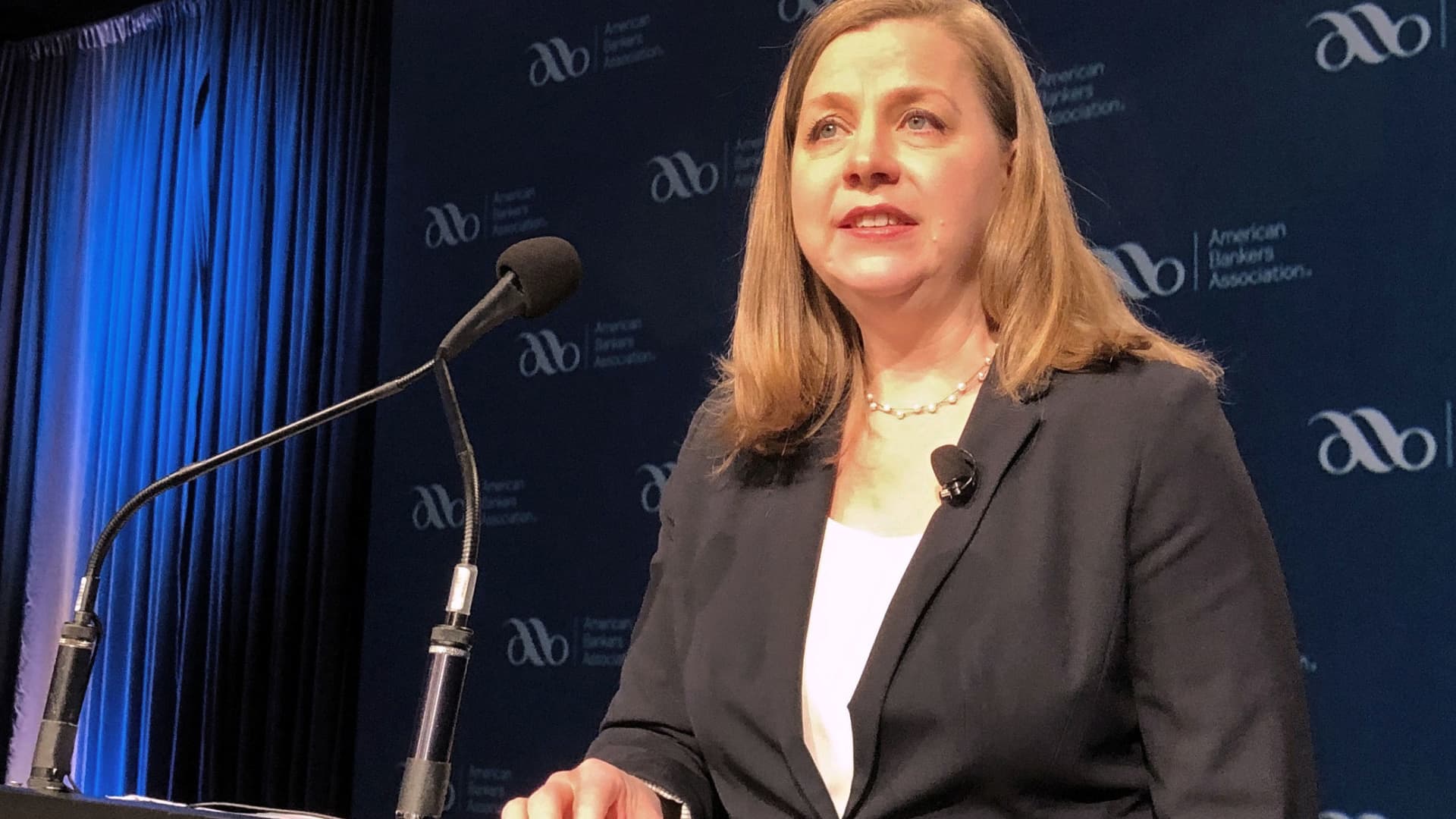
Federal Reserve Governor Michelle Bowman expressed skepticism over the possibility of a digital U.S. dollar, noting Tuesday the multiple risks such a system could impose. A central bank digital currency (CBDC) could intrude on the privacy of users and harm the banking system while providing few benefits that aren't otherwise available for banked and unbanked consumers alike, Bowman said in a speech. She also rejected the notion that a digital currency is needed to support the dollar, which she said is valued because of "the size of the U.S. economy, its deep and liquid financial markets, the strength of U.S. institutions, and its commitment to the rule of law," none of which would be buttressed by a central bank digital currency.