
Amazon revives home robot push with new team and Fauna acquisition
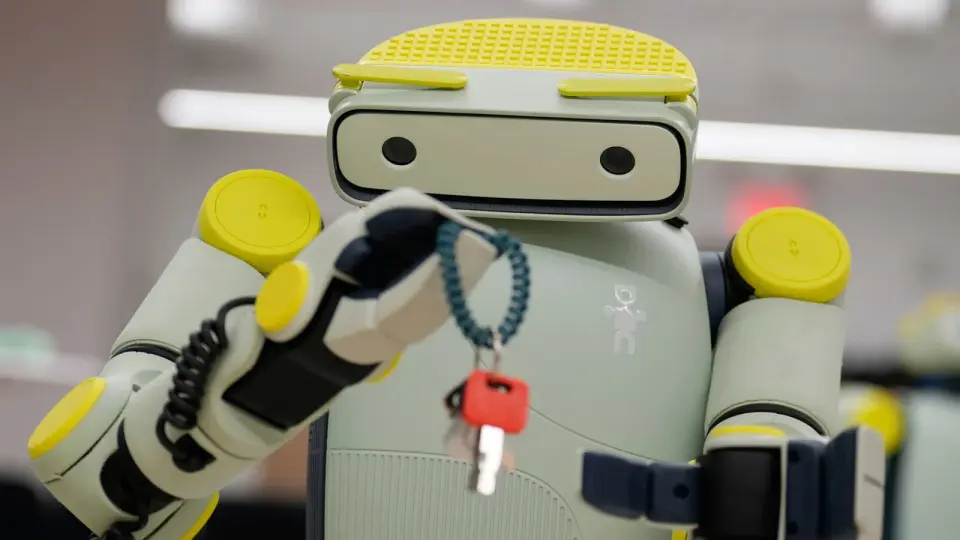
Amazon is developing a new home robot after the limited success of its 2021 Astro device. The company acquired Fauna Robotics in March 2026 and formed a Personal Robotics Group to build a product for dynamic home environments. While Astro sold to only a few thousand users, Amazon cites advances in AI and robotics tools as reasons for renewed confidence in the market.
Key points
- Amazon assembled a new team to develop a 'new-to-world robot product' capable of autonomous operation in homes, according to job postings analyzed by CNBC.
- In March 2026, Amazon acquired New York-based Fauna Robotics, maker of the Sprout humanoid, and integrated it into a new Personal Robotics Group.
- The previous Astro robot, priced at $1,450, shipped to only a few thousand customers and was discontinued in its business version less than a year after launch in 2023.
- Amazon spokesperson Brad Glasser stated the company remains committed to personal robotics, acknowledging a gap between lab performance and real-world home environments.
- Venture capital investment in robotics and physical AI reached $33.4 billion in the first half of 2026, compared to $28.7 billion for all of 2025, per PitchBook.
Background
Amazon has a long history in robotics, beginning with the $775 million acquisition of Kiva Systems in 2012, which led to over one million robots operating in its warehouses. The 2021 Astro launch was an early attempt at consumer robotics, but it faced criticism for limited functionality and high cost. Recent archive coverage highlights how Amazon’s warehouse automation is reshaping labor, but the home market presents unique challenges due to unpredictable environments.
How outlets are covering it
CNBC and Briefs Finance emphasize the strategic pivot from Astro’s failure to a new, more advanced approach using Fauna’s humanoid technology. Unite.AI focuses on the technical hiring details, noting roles in UX design and cloud services that suggest a focus on user experience and fleet management. GuruFocus frames the move as part of Amazon’s broader growth strategy, noting the stock is slightly overvalued but has strong growth potential. While all sources agree on the acquisition and new team, CNBC and Briefs Finance highlight the difficulty of adapting robots for homes, whereas Unite.AI stresses the technical infrastructure required to support such devices.
Why it matters
Amazon’s entry into the personal robotics market signals a major shift in consumer technology. If successful, it could define a new category of household assistants, competing with emerging startups and established tech giants. The move also tests the viability of humanoid robots in unstructured environments, a key challenge for the industry.
What to watch
Amazon has not announced a launch date or specific features for the new robot. The company is currently hiring for field support and user experience roles, suggesting a focus on preparing for customer deployment. Analysts expect the global humanoid market to reach $40 billion by 2035, but success will depend on overcoming the gap between lab demonstrations and real-world home use.
- Amazon's Astro home robot has fans but looks destined for the 'trash heap.' Why it's trying again CNBC
- Amazon Builds Home Robotics Team for New-to-World Robot Unite.AI
- Bezos' Home-Robot Vision Lives On at Amazon After Astro Stumbles Briefs Finance
- Amazon's Ambitious Plans for Home Robotics Development GuruFocus
- Amazon forms new team to develop next-gen home robot after Astro's limited success Pluang
Want the full story? Read the original reporting
Read on CNBC