
Amazon's Tracy Warehouse: How Robots Are Reshaping, Not Replacing, Jobs
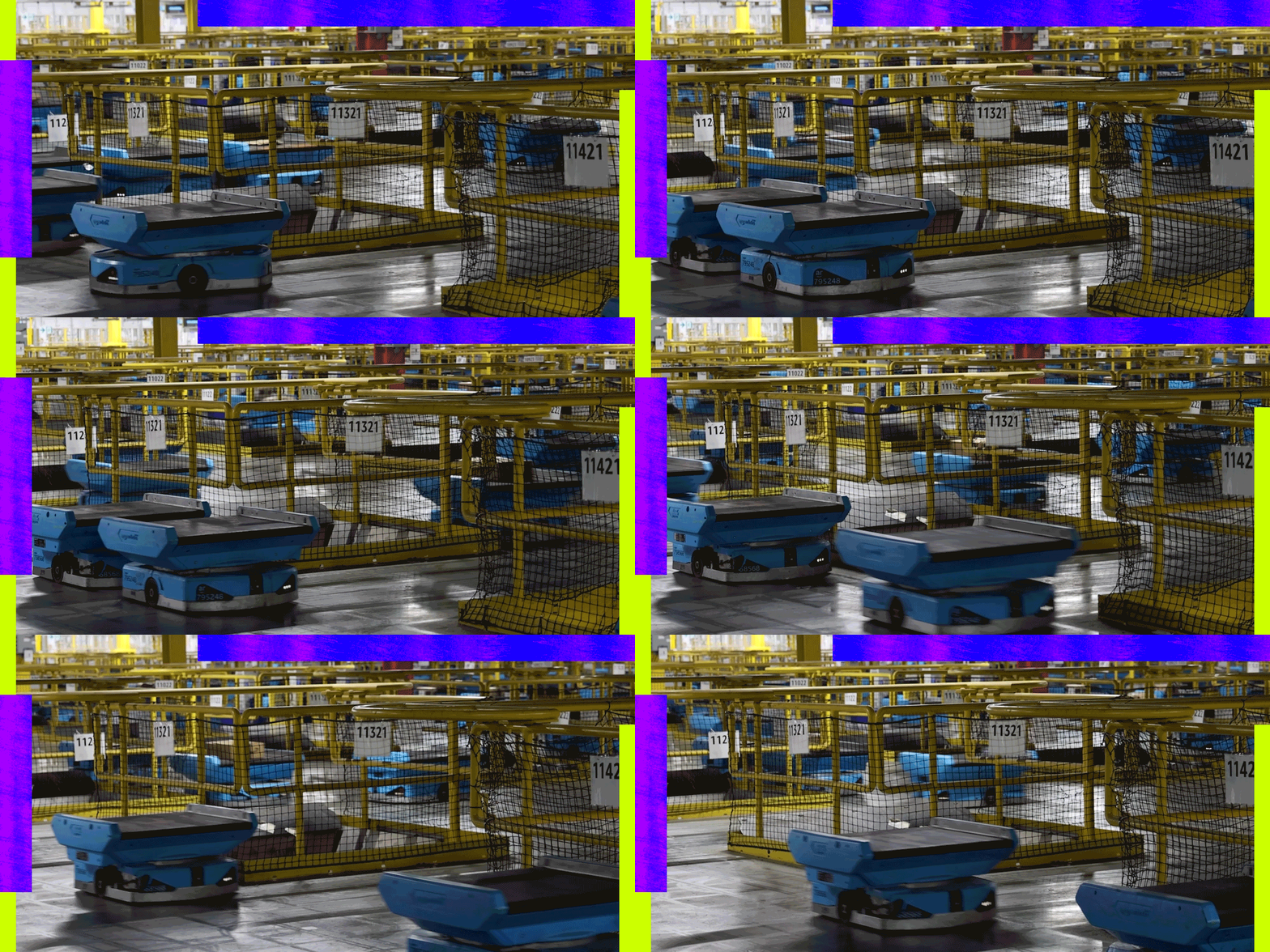
Amazon’s Tracy, California, warehouse demonstrates how automation is transforming rather than eliminating jobs. While robots handle heavy lifting and sorting, human workers are retrained for maintenance and oversight roles, increasing productivity without reducing headcount.
Key points
- The Tracy facility employs over 3,000 workers, up from 1,000 when it opened in 2023, despite heavy automation.
- Robots like Hercules, Robin, and Proteus handle inventory movement and sorting, but humans still pack orders and load trucks.
- New roles, such as 'process assistant' and 'ground-floor monitor,' focus on troubleshooting and maintaining robotic systems.
- Amazon claims these automated centers are 25% more productive and support 30% more skilled jobs in engineering and maintenance.
- Human intervention remains critical for exceptions, such as damaged goods or lost routing information, often referred to as the 'jackpot' area.
Background
This development follows earlier reports on Amazon’s expansion of its robot fleet to over one million units, which has sparked debate about safety and work pace. Meanwhile, competitors like Walmart have faced significant hurdles in their own automation efforts, including high maintenance costs and technical failures with heavy items. The broader industry is navigating a transition where automation aims to increase efficiency while managing the physical and financial risks of deploying complex robotic systems.
Why it matters
This case study offers a real-world example of how automation is reshaping the labor market. Instead of mass layoffs, companies are retraining workers for higher-skilled technical roles, suggesting a future where human oversight and robotic efficiency coexist to handle complex logistics challenges.
What to watch
Amazon is exploring further automation through Project Tetromino, which aims to use AI and robotics to automate vehicle loading. However, for now, human workers remain essential for final packing and quality control, indicating a gradual rather than immediate shift to fully autonomous warehouses.
Want the full story? Read the original reporting
Read on Business Insider