
AMD leads in gaming and data centers, but Intel retains PC market share and laptop dominance
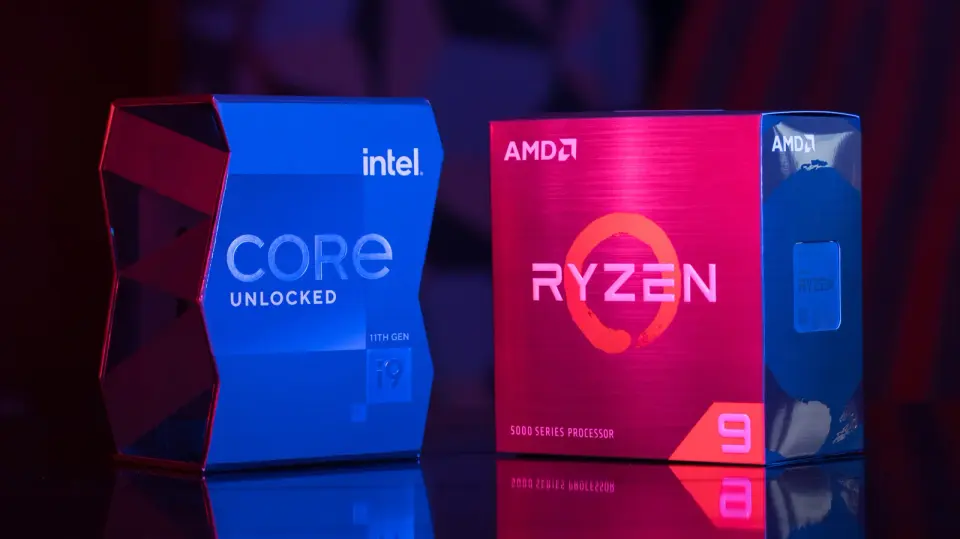
AMD dominates gaming and data center CPUs, while Intel retains a majority share of the desktop and laptop markets. Financially, AMD shows stronger growth and margins, but Intel remains a significant player in the broader PC ecosystem.
Key points
- AMD’s X3D chips are the preferred choice for gaming, offering higher frame rates and better power efficiency than Intel’s latest Core Ultra series.
- Intel maintains a 65% share of desktop CPU shipments and approximately 70% of laptop processors, according to Mercury Research.
- AMD’s data center revenue grew 97% year-over-year, while Intel’s Client Computing Group revenue fell 5% due to high memory costs and weak PC demand.
- Intel’s foundry business reported a $1.9 billion operating deficit, while AMD benefits from outsourced manufacturing via TSMC.
- AMD’s AM5 platform offers upgradeability through 2029, whereas Intel lacks a clear upgrade path for its current generation.
Background
Recent retail sales cycles, such as Best Buy’s early Black Friday promotions, have highlighted consumer interest in electronics, though high memory and storage prices have increased overall system costs. This economic backdrop influences CPU purchasing decisions, as buyers weigh processor performance against rising component prices.
How outlets are covering it
Engadget emphasizes AMD’s superiority in gaming and upgradeability, noting that Intel’s Core Ultra 270K Plus offers better value for creative tasks at lower price points. Intellectia AI highlights Intel’s struggles in the PC market and foundry losses, contrasting them with AMD’s growth in server CPUs and AI infrastructure. The Globe and Mail focuses on financial metrics, declaring AMD the better stock due to higher revenue growth, gross margins, and a lower forward P/E ratio compared to Intel. While Engadget and The Globe and Mail agree on AMD’s performance lead, Intellectia AI underscores Intel’s continued market share dominance in laptops and the broader PC ecosystem.
Why it matters
The choice between AMD and Intel CPUs impacts not only individual PC performance but also the trajectory of AI infrastructure. AMD’s leadership in data centers and gaming positions it favorably for agentic AI workloads, while Intel’s market share in laptops and desktops ensures it remains a key player in consumer electronics. Investors and consumers must weigh AMD’s growth and efficiency against Intel’s market presence and potential recovery in the PC sector.
What to watch
Intel expects a 10% drop in unit shipments by 2027, while AMD projects the server CPU market to reach $220 billion by 2030. Intel’s next-gen Nova Lake chips are expected between late 2026 and 2027, but no upgrade path is guaranteed. AMD’s AM5 platform support extends through 2029, offering long-term value for PC builders. Broadcom’s rise in custom AI silicon may further disrupt the market, potentially affecting both AMD and Intel’s competitive positions.
- AMD Vs. Intel CPUs: Which Is The Better Buy In 2026? Engadget
- The Evidence Is Piling Up: AMD Could Be the Best Artificial Intelligence (AI) Stock to Buy Amid the Sell-Off The Motley Fool
- Intel and AMD Face Challenges Amid AI Chip Boom Intellectia AI
- AMD or Intel: 1 Chip Stock Is the Clear Winner The Globe and Mail
- Intel vs. AMD: Chip Investors Face a Split Verdict as Nvidia's Turmoil Reshuffles the AI Trade BigGo Finance
Want the full story? Read the original reporting
Read on Engadget