
Meta CTO Rejects AI-Driven Time Off, Urges Staff to Channel Gains Into Product Output
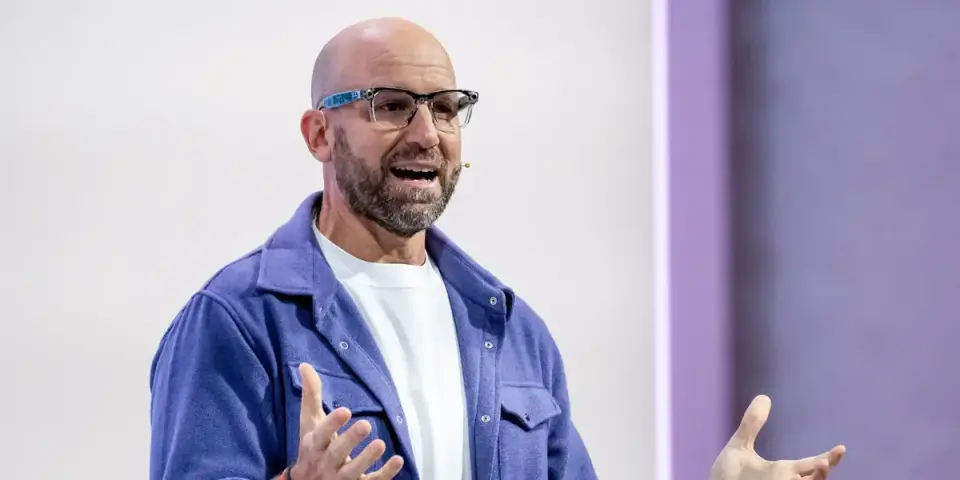
Meta CTO Andrew Bosworth told employees that AI-driven productivity gains should not result in more vacation time. Instead, he argued that extra hours should be used to build more products for users, criticizing the revival of the 'Meta Days' holiday program.
Key points
- Meta CTO Andrew Bosworth stated that AI productivity gains should be used to build more products, not take more time off.
- Bosworth criticized the idea of reviving 'Meta Days,' calling the question 'very dumb' and comparing it to asking parents for more days off.
- Meta currently offers four weeks of paid time off plus public holidays, replacing 'Meta Days' with two flexible 'choice days.'
- Bosworth apologized for coming down 'too hard' on the employee who asked the question, acknowledging it was likely tongue-in-cheek.
- The comments reflect a broader tech industry debate on whether AI should lead to more work or more free time for employees.
Background
This follows earlier reports in July 2026 where Meta faced a lawsuit alleging AI-driven performance scoring targeted employees on medical leave for layoffs. The company denied the claims, stating decisions are made by humans, and noted it had laid off about 8,000 employees in May. The current comments by Bosworth highlight ongoing tensions between AI-driven efficiency and employee work-life balance at Meta.
Why it matters
Bosworth's stance reflects a growing trend in tech where AI productivity gains are being channeled into increased output rather than improved working conditions. This approach could influence labor dynamics across the industry, potentially leading to more intense work environments as companies seek to maximize the benefits of AI without reducing headcount or increasing employee benefits.
What to watch
Meta may continue to emphasize AI-driven productivity in its operations, potentially leading to further debates about work-life balance and employee benefits. The company's stance could influence other tech firms in how they approach AI integration and workforce management.
Want the full story? Read the original reporting
Read on businessinsider.com