
Court documents reveal 2007 lawsuit alleging Jensen Huang threatened and abused Nvidia staff
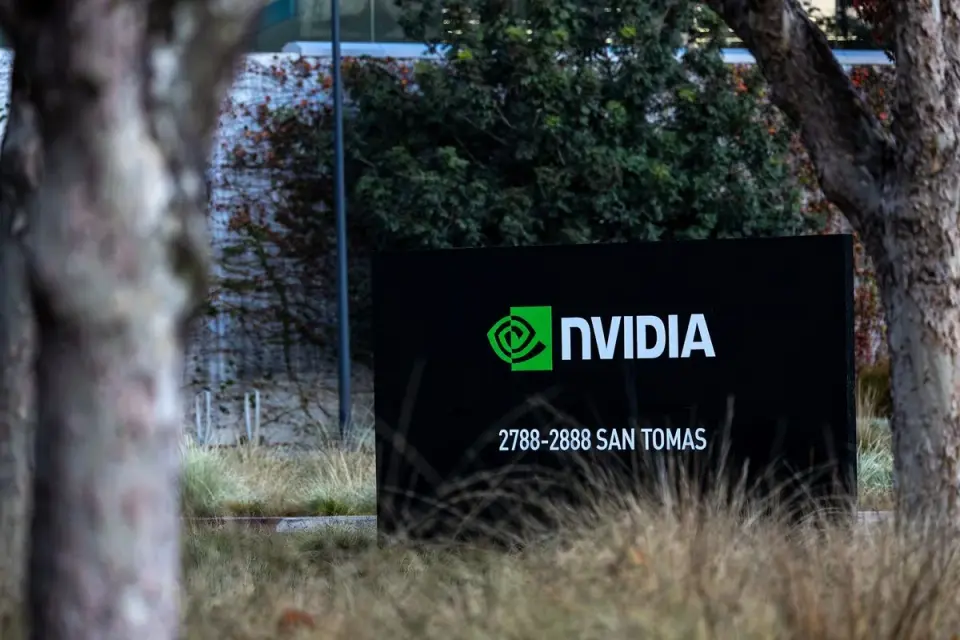
A 2007 California lawsuit reveals that former Nvidia CEO Jensen Huang faced internal complaints regarding his management style, including allegations of threats and sexual remarks. While the company denies these claims, the documents highlight a long-standing pattern of behavior that contrasts with current public support for his return.
Key points
- A 2007 lawsuit filed in the Superior Court of California alleges that Jensen Huang verbally abused and intimidated employees, including making sexually explicit remarks.
- Stephen Pettigrew, Nvidia’s first in-house lawyer, claimed he was fired for raising concerns about executive conduct, though the company cited performance issues for his termination.
- The New York Times reports that Huang believed financial incentives were insufficient to motivate wealthy staff, leading him to use humiliation as a management tool.
- Huang’s spokesperson called the specific allegations in the lawsuit 'false,' while Business Insider notes that some tech figures still support his aggressive leadership style.
- These historical allegations emerge amid a current crisis where Huang resigned in November 2026, and Nvidia’s stock has plummeted due to SEC probes and leadership instability.
Background
This story follows Jensen Huang’s resignation on November 12, 2026, amid scandals and a significant drop in Nvidia’s market value. Recent archive coverage notes that the company lost over $2.6 trillion in market value over seven weeks, driven by SEC accounting probes and questions over revenue reporting. While thousands of employees have signed a letter requesting Huang’s return, the new legal documents suggest a history of contentious management practices that predate the current crisis.
How outlets are covering it
Bloomberg focuses on the legal specifics of the 2007 lawsuit, highlighting the termination of lawyer Stephen Pettigrew. The New York Times provides a broader narrative, describing Huang’s philosophy of using humiliation to motivate staff and citing specific, graphic threats made to employees. Business Insider offers a mixed perspective, acknowledging the severity of the threats while noting that some industry leaders, like Chamath Palihapitiya, view such intensity as a driver of success. Yahoo Finance summarizes the conflict between employee complaints and public support, noting that while some employees fear Huang’s style, others, including Elon Musk, praise his leadership. The sources generally agree on the existence of the complaints but differ in their interpretation of whether this behavior was a necessary part of Nvidia’s success or a toxic culture.
Why it matters
The revelation of a 2007 lawsuit adds a historical dimension to the current leadership crisis at Nvidia. It suggests that the company’s aggressive management style is not a recent development but a long-standing practice that may have contributed to its success, or its current instability. As investors and employees debate Huang’s return, these legal records provide concrete evidence of the internal tensions that may have existed for decades, potentially influencing future corporate governance and regulatory scrutiny.
What to watch
The immediate focus will be on the outcome of the SEC’s accounting probe and the California attorney general’s subpoena. The company must also decide whether to reinstate Huang, given the conflicting signals from employees and the new legal evidence. Investors will watch for any further legal actions or regulatory penalties that could further impact Nvidia’s stock price and market position.
- Nvidia Employees Complained About Huang’s Behavior Years Ago Bloomberg.com
- How Jensen Huang Made Humiliation Routine at Nvidia The New York Times
- CEOs, do not threaten to pee on your employees — no matter how effective the results may be Business Insider
- Behind Jensen Huang’s exit, questions about a management style reportedly built on fear Yahoo Finance
- Opinion | Jensen Huang Hopes You Get Flu and Die WSJ
Want the full story? Read the original reporting
Read on Bloomberg.com