
Disney’s Bankruptcy Playbook: Acquiring Character.AI’s Tech While Leaving Liabilities Behind
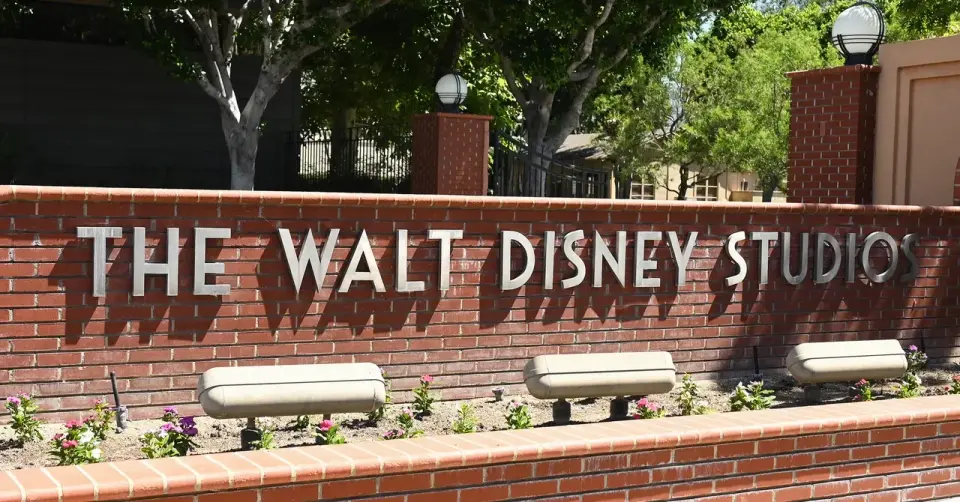
Character.AI filed for Chapter 11 bankruptcy on October 12, 2026, to facilitate a deal with Disney that allows the entertainment giant to acquire key staff and intellectual property while leaving the startup to retain legal liabilities. The arrangement, described as a 'reverse acquihire,' involves Disney paying $5.5 million upfront and potentially $12.5 million more, while Character.AI remains responsible for multistate investigations and lawsuits alleging its chatbots encouraged minors to self-harm. The bankruptcy filing aims to separate the company’s valuable technology from its regulatory risks, a strategy experts warn bypasses standard corporate safeguards.
Key points
- Character.AI filed for Chapter 11 bankruptcy on October 12, 2026, to enable a court-supervised sale of its assets.
- Disney is positioned as a stalking-horse bidder, having already hired the majority of Character.AI’s staff, including former CEO Karandeep Anand.
- The deal includes a $5.5 million initial payment and a potential $12.5 million closing payment for a perpetual license to Character.AI’s technology.
- Character.AI retains responsibility for ongoing lawsuits and a multistate investigation involving 46 jurisdictions, which allege its bots encouraged minors to self-harm or kill parents.
- The structure is described as a 'reverse acquihire,' where the buyer acquires assets and talent but avoids the target’s liabilities through bankruptcy proceedings.
Background
Character.AI, founded in 2021 by former Google AI researchers Noam Shazeer and Daniel de Freitas, previously reached a $1 billion valuation. In August 2024, Google paid $2.7 billion to license its technology and hire key researchers, a move that left the company with significant litigation exposure. In January 2026, Character.AI agreed to settle multiple lawsuits, including one involving the suicide of a 14-year-old user. Despite these settlements, the company faced profitability issues and a multistate investigation that began in November 2025, leading to the current bankruptcy filing.
How outlets are covering it
WIRED emphasizes the strategic nature of the bankruptcy, framing it as a 'reverse acquihire' designed to let Disney acquire technology and staff while avoiding legal liabilities. WIRED highlights concerns from legal experts that this structure bypasses standard corporate safeguards. CNN focuses on the operational impact, noting that Disney has hired most employees and that the platform may be wound down if the sale is not completed by late 2026. CNN also details the specific lawsuits, including the case of a 14-year-old boy who died after interacting with the chatbot. Both outlets agree that the bankruptcy is a response to significant legal and regulatory pressures, but WIRED places greater emphasis on the legal maneuvering involved in separating assets from liabilities.
Why it matters
This case illustrates a growing trend in the AI industry where companies use bankruptcy to shed liabilities while retaining valuable assets and talent. It raises questions about corporate responsibility and the effectiveness of legal safeguards in preventing companies from avoiding accountability for harmful products. The outcome could set a precedent for how AI companies handle safety-related litigation and regulatory investigations in the future.
What to watch
The bankruptcy proceedings will continue, with Disney potentially winning the auction for Character.AI’s intellectual property in the coming months. The multistate investigation may challenge the bankruptcy plan, and the platform may be wound down if the sale is not completed by late 2026. The outcome of this case could influence how other AI companies approach legal and regulatory risks in the future.
- Disney Asked Character.AI to Go Bankrupt for a Get-Out-of-Lawsuits Card WIRED
- Character.AI files for bankruptcy, to sell some assets to Disney for $20 million Reuters
- Disney agrees to hire the majority of Character.AI’s workforce TechCrunch
- Character.ai files for bankruptcy following lawsuits alleging ties to teen suicides CNN
- Disney Offers $180 Million Soft Landing to Staff at Bankrupt AI Firm Bloomberg.com
Want the full story? Read the original reporting
Read on WIRED