
Dyson Launches CameraJet: A £420 Toothbrush That Streams Live Footage and Auto-Flosses
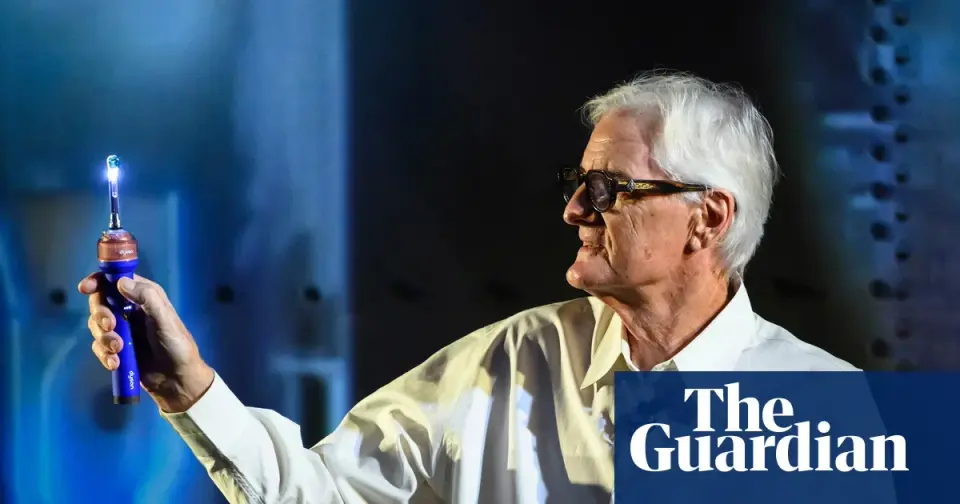
Dyson has launched the CameraJet, a high-end electric toothbrush priced at £420 (approx. $499) that integrates a 100k-pixel macro camera, AI-driven fluid dynamics, and a mouthwash jet. The device, developed over six years by 661 engineers, aims to combine brushing, flossing, and rinsing into a single unit. It uses machine learning to detect gaps between teeth in real-time, spraying a conical jet of rinse to remove plaque while the user brushes. The product includes a companion app for live video feedback and claims to remove 72% more plaque than leading competitors, though critics question the necessity of such a premium, camera-equipped solution for basic oral care.
Key points
- The CameraJet features a 100k-pixel macro lens camera that streams live footage to the MyDyson app, allowing users to see their cleaning process and receive feedback.
- It utilizes a 'Gap Optical Targeting' system trained on 470,000 dental images to identify gaps between teeth within 100ms, triggering a jet of mouthwash to floss automatically.
- The device includes an 'anti-gravity' tank with a diaphragm pump to deliver fluid in any orientation, ensuring consistent pressure regardless of how the brush is held.
- Dyson claims the system removes up to 72% more plaque than market-leading electric toothbrushes, based on testing with a proprietary 'proxy plaque' developed with the National University of Singapore.
- The launch price is £420 in the UK and $499 in the US, including a docking station, two brush heads, and a travel case; consumables like non-foaming toothpaste cost £8.50 each.
Background
Dyson has historically disrupted markets with high-priced, innovative appliances, from bagless vacuums to bladeless fans and hair dryers. Previous archive coverage noted that while Dyson has achieved success in personal care, it has also faced misfires in other categories like electric vehicles and headphones. The CameraJet represents the company's first entry into the dental care market, following a decade of research into oral hygiene regimes. Earlier reports highlighted the device's reliance on AI and RFID-enabled brush heads to track usage and replacement cycles, positioning it as a premium alternative to existing smart toothbrushes.
How outlets are covering it
The Guardian emphasizes the technological complexity, noting the six-year development period and 661 engineers involved, while highlighting the high price point compared to competitors like the Philips Sonicare DiamondClean. Business Insider focuses on the privacy implications of having a camera in the mouth, noting Dyson's assurances that images are deleted immediately after viewing and not stored, though it questions the broader trend of 'camera-fication' in household items. Engadget provides technical detail on the fluid dynamics and AI training, noting the 12.5ml tank capacity and the conical jet design, while also acknowledging the device's maneuverability despite its added components. The British Dental Association, cited by The Guardian, argues that such expensive gadgets are no substitute for basic brushing routines and dentist advice, suggesting that consumers should not be 'lulled' into thinking high-tech solutions solve all oral health issues.
Why it matters
The CameraJet represents a significant shift in consumer electronics, applying advanced AI and computer vision to personal hygiene. It challenges the traditional model of oral care by automating flossing and providing real-time visual feedback, potentially improving adherence to dental hygiene routines. However, its high price and complexity raise questions about market adoption and the necessity of such features for everyday consumers. The device also sparks broader discussions about privacy and the integration of cameras into intimate personal care devices, reflecting a growing trend of smart technology entering the bathroom and home.
What to watch
Consumers can purchase the CameraJet immediately in Ceramic Ultra Blue and Ceramic Pink. Dyson will likely monitor sales data and user feedback through the MyDyson app to refine its AI algorithms. The company may face scrutiny regarding privacy concerns and the long-term durability of the device's components. Competitors in the smart toothbrush market may respond with similar features or lower-priced alternatives. The British Dental Association and other health bodies may continue to advise that basic routines remain the most effective method for oral health, regardless of technological advancements.
- Dyson launches £420 toothbrush that films ‘live cleaning footage’ inside your mouth theguardian.com
- How to Spend Six Years Inventing a $499 Toothbrush With ‘No Idea’ of the Market WSJ
- Smile! You're on Dyson's $500 Toothbrush Camera businessinsider.com
- Dyson's CameraJet Is A $500 Three-In-One Toothbrush That Scans Your Maw Engadget
- What Dyson’s First Toothbrush Says About Oral Care’s Beauty Era Vogue
Want the full story? Read the original reporting
Read on theguardian.com