
FCC Ban on Foreign Robots Disrupts Vacuum Market and Escalates US-China Tensions
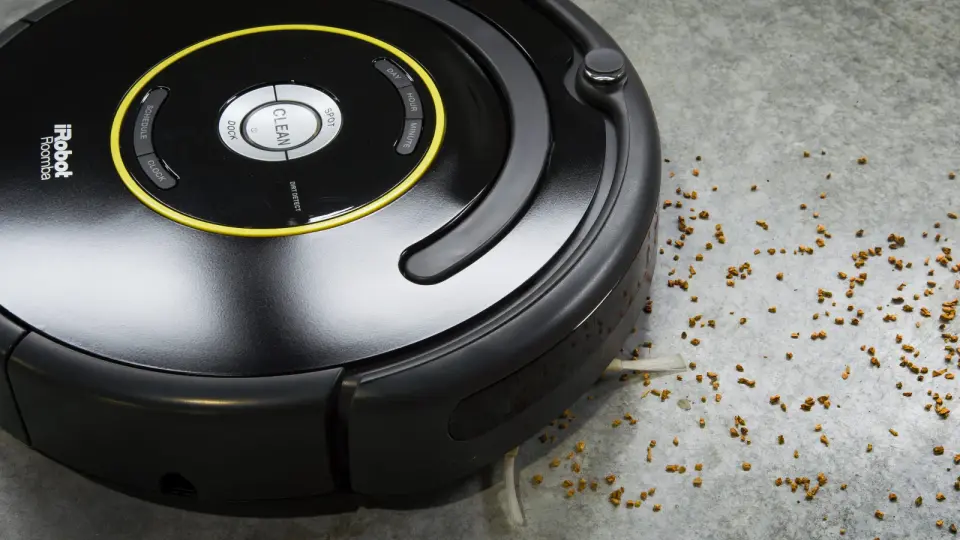
The US Federal Communications Commission (FCC) has banned new imports of foreign-made 'advanced robotic devices,' a move that directly impacts consumer robot vacuums like Roombas. While existing devices remain legal, new models from Chinese-owned manufacturers face restrictions due to cybersecurity concerns. China has threatened retaliation, and the ban extends to other sectors like solar inverters.
Key points
- The FCC added foreign-made advanced robotic devices to its Covered List on July 28, 2026, citing national security and supply chain vulnerabilities.
- The ban targets new devices only; existing robot vacuums already in homes or previously approved models can still be used and sold.
- iRobot, now owned by Chinese firm Shenzhen Picea Robotics, confirmed Roombas meet the ban criteria, which includes devices over 4.4 pounds with wireless connectivity and navigation sensors.
- China’s commerce ministry called the move a severe damage to bilateral relations and threatened countermeasures, including potential restrictions on rare earth exports.
- The FCC simultaneously banned foreign-made power inverters, affecting the solar industry, with only 7% of US inverter shipments previously coming from domestic manufacturers.
Background
This development follows a series of FCC actions in July 2026 expanding restrictions on foreign technology. Earlier reports indicated the ban would cover robot lawn mowers and delivery bots, with exemptions requiring sign-off from the Department of Defense or Homeland Security. iRobot had recently launched manual cleaning alternatives and cheaper robot models in early July, potentially positioning itself to adapt to these regulatory shifts.
How outlets are covering it
USA TODAY emphasizes the direct impact on consumer products like Roombas, noting that iRobot’s acquisition by a Chinese firm places it under the ban despite its US origins. CNBC highlights the diplomatic fallout, reporting that China’s commerce ministry threatened retaliation and that the move could hinder IPOs for Chinese humanoid robot firms like Unitree and Agibot. PV Tech focuses on the broader scope of the FCC’s actions, detailing how the ban on foreign inverters threatens US solar capacity, which currently lacks sufficient domestic production to meet 2026 forecasts. While USA TODAY frames the issue around household convenience, CNBC and PV Tech view it as a critical component of the US-China tech war and energy security strategy.
Why it matters
The ban forces a shift in the robotics and energy supply chains, potentially raising prices for consumers and slowing the adoption of solar energy. It also intensifies geopolitical tensions between the US and China, with potential repercussions for trade relations and technology access. Companies like iRobot must navigate complex manufacturing requirements to remain compliant, while US industries may face shortages due to limited domestic production capacity.
What to watch
iRobot is working with the FCC to understand implementation details and may need to shift manufacturing to the US to obtain waivers. China is expected to implement retaliatory measures, possibly involving rare earth export restrictions. The FCC will process exemption applications for inverters and robots, with domestic content thresholds set to increase to 75% by 2028. Consumers may see higher prices for new robot vacuums and solar equipment as the market adjusts to the new regulations.
- Did robot vacuums get sucked into new robot ban? USA Today
- China threatens retaliation against U.S. humanoid robot ban, says it 'severely damages' relations CNBC
- Trump administration bans new Chinese humanoid robots, to protect US AI buildout Reuters
- US government bans foreign-produced inverters PV Tech
- US Risks Broadening China Clash With Robot, Inverter Curbs Bloomberg.com
Want the full story? Read the original reporting
Read on USA Today