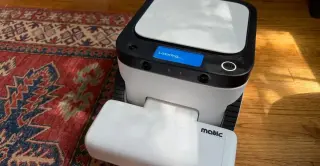
HoverAir’s Versa, a pocket-camera that can attach wings to become a drone, appears blocked in the U.S. after the FCC added foreign drones to its Covered List for national-security reasons, with U.S. shipments limited to non-drone configurations while the fully flying option awaits clearance.
HoverAir’s Versa, a pocket camera that can attach wings to become a drone, has stopped US orders just days after its Indiegogo debut as the FCC drone ban tightens; the company says it will ship only the camera in the US, not the Flight Kit that makes it a drone, and the FCC’s records show no current drone authorization for the device, signaling a likely ban and refunds for backers.
ABC and Disney have escalated against the Trump administration by suing the FCC over expediting license renewals, arguing that government pressure is shaping ABC’s programming and signaling a broader shift away from capitulation. Meanwhile Rosie O’Donnell’s return to Jimmy Kimmel Live! is portrayed as a defiant stand for First Amendment values and media resilience, illustrating a broader pushback against regulatory and consolidation pressures in the industry.
HoverAir’s Versa is pitched as a pocket camera with snap-on wings; HoverAir says the Flight Kit keeps it compliant by certifying only the camera, potentially letting it fly past the FCC’s foreign-drone ban, but the agency could still classify the Versa as a UAS critical component and reverse approvals within 30 days, so the loophole may not stick.
HoverAir’s Versa is a camera-first handheld device that can become a small drone with an optional Flight Kit. The kit uses no RF transmitters, allowing HoverAir to claim FCC certification for sale in the USA and potentially sidestep the foreign-drone ban; the Indiegogo campaign starts with a camera-only price of $449 and Flight Kit options later. When assembled, the Versa weighs 230 g, avoiding FAA registration for recreational use, while commercial pilots would need a Remote ID transmitter. Specs include 4K60 video, a 1/1.3-inch sensor, OLED touchscreen, and a 3-axis stabilized camera. The situation marks a notable FCC shift, but crowdfunding outcomes and regulatory scrutiny remain uncertain.
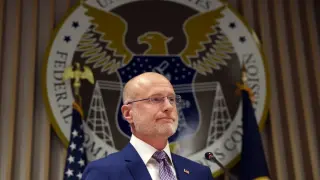
ABC has filed a First Amendment lawsuit against the FCC, arguing that the commission’s order for early license renewals and ongoing investigations were part of a Trump-era effort to punish ABC for its coverage. The filing highlights Trump’s public calls to revoke licenses, FCC Chairman Brendan Carr’s remarks, and a broad inquiry into The View’s politics as evidence of political influence intended to chill free speech. ABC seeks a court remedy, including a temporary halt to the renewal proceedings, contending the actions threaten press independence beyond ABC alone.
Disney and ABC filed a lawsuit against the FCC and its chairman to stop an early renewal of their broadcast licenses, arguing the move is retaliation tied to Trump-era criticism of ABC; the FCC says the renewals serve the public interest, and the case seeks a speedy hearing and a temporary restraining order.
Disney-owned ABC filed a First Amendment lawsuit against the FCC in Washington, D.C., arguing that government pressure to rush license renewals and scrutinize its programming amounts to unconstitutional interference with its speech and editorial decisions. The company contends the Trump administration and the FCC have pressured ABC to align with political priorities, citing moves to pre-file renewals and investigations into shows like The View, and has sought emergency relief (temporary restraining order and preliminary injunction) while arguing that the true target is the content of its programming rather than license practices.
Disney and ABC filed a federal lawsuit to block an FCC order that forced eight ABC-owned TV stations to file for license renewals years ahead of schedule, arguing the move is a retaliatory attack on free speech tied to DEI investigations and political pressure from the Trump era. The filings give stations only 30 days to prepare, despite renewals not due until 2028, and seek a quick hearing and temporary restraining order as the FCC defends its public-interest obligations.
ABC has sued the FCC in federal court, alleging the agency is retaliating against its coverage by forcing eight ABC-owned stations to apply for license renewals early, a move that could lead to hearings or denial and threaten press independence amid broader political pressure on broadcasters during the Trump era.
Disney-owned ABC filed a First Amendment lawsuit in Washington, D.C., seeking to halt the FCC’s early renewal review of its broadcast licenses, arguing the probe is a retaliatory action tied to its programming and DEI practices; the FCC says the expedited renewals focus on DEI concerns and are not a First Amendment issue.
Disney has filed a federal lawsuit accusing the Trump-era FCC of a retaliatory campaign against ABC, asserting the actions infringe Disney’s First Amendment rights as ABC stations face license reviews. The suit comes as the FCC investigates The View and pressures ABC’s licenses, with Disney seeking emergency court intervention to halt further action.
ABC has filed a First Amendment lawsuit in federal court accusing the FCC and the Trump-era administration of a retaliatory campaign to curb ABC’s free speech. The lawsuit seeks to halt an FCC proceeding to renew eight ABC stations’ licenses early and argues the agency could use hearings to deny or revoke licenses. It names FCC Chair Brendan Carr and two commissioners, cites attacks on ABC by Trump, and notes the case aims for swift injunctions to protect editorial discretion. Lead counsel is Beth Wilkinson.
The Supreme Court denied Verizon's bid to reclaim the $47 million FCC penalty tied to selling customers' device-location data, ending its chance for further review; AT&T and T-Mobile continue challenging similar fines as the broader question of location-data rules under telecom law persists.
An FCC filing points to a new Sonos wireless headphone model launching next month, catalogued as S52a and rumored to be named Ace Ultra. The documents list multiple color options (Greige, Shadow Black, Agave, Blush and Sand) and hint at features like Wi‑Fi pairing to a home network and possibly a Sonos voice assistant, though neither is confirmed. Sonos has signaled a product launch and a future role for AI, but specifics about the headphones remain unverified.