
Ford Data Shows 2021 Mach-E Batteries Retain 92% Health After Five Years
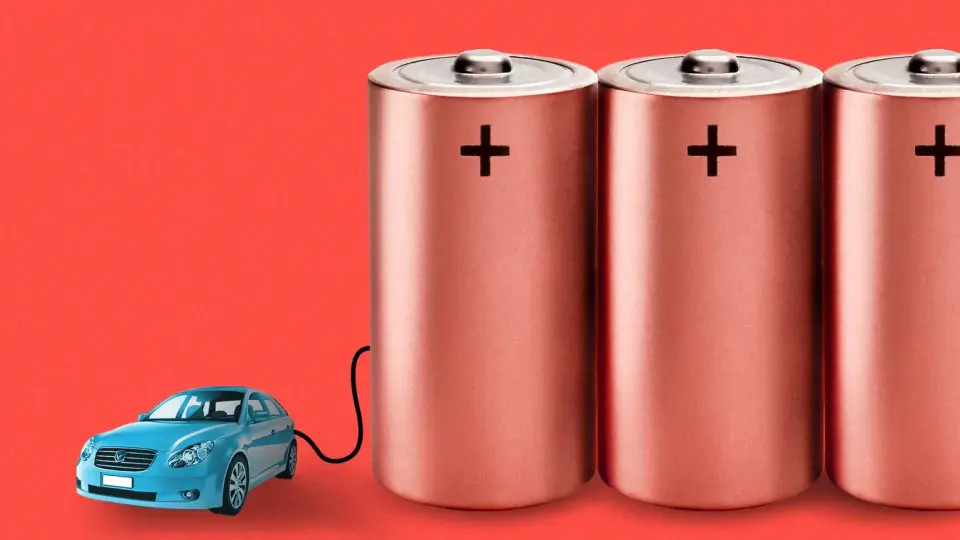
Ford released real-world battery health data for its 2021 Mustang Mach-E fleet, showing an average retention of 92% after five years. The study covers 36,000 vehicles and 2 billion miles, indicating that high mileage does not necessarily cause rapid degradation. Ford recommends Level 2 charging and temperature management to preserve battery life, using these findings to inform future EV platforms.
Key points
- Ford analyzed 36,000 2021 Mustang Mach-E vehicles in the U.S. and Canada, finding an average battery health retention of 92% after 5.2 years.
- The fleet has accumulated 2 billion miles, with 95% of vehicles retaining between 87% and 97% of their original capacity.
- Vehicles with over 100,000 miles retained more than 91% health on average, while those exceeding 200,000 miles averaged 88% health.
- Ford attributes strong performance to NCM battery chemistry and recommends Level 2 home charging, avoiding extreme temperatures, and using app-based charge guidance.
- The data supports Ford’s claim that its batteries are designed to last at least 10 years, with insights feeding into the development of the Fathom electric truck.
Background
Previous concerns about EV battery degradation have been addressed by recent studies, including a Nature Energy paper on uneven cell aging and independent data from Recurrent and Aviloo. Ford’s latest report provides large-scale, long-term validation for its specific battery chemistry, contrasting with earlier generations of EVs that suffered from less sophisticated thermal management.
How outlets are covering it
Ford emphasizes the robustness of its NCM battery chemistry and the value of real-world fleet data in validating design margins. InsideEVs highlights that the results align with broader industry trends, noting that modern EVs degrade far more slowly than early models like the Nissan Leaf. Electrek focuses on the practical implications for consumers, stressing that simple habits like home charging can significantly extend battery life. While all sources agree on the positive retention rates, Ford frames the data as a success for its engineering team, whereas independent outlets contextualize it within the wider landscape of EV durability.
Why it matters
This data addresses a primary barrier to EV adoption: the fear of rapid battery degradation. By demonstrating that high-mileage vehicles retain significant capacity, Ford aims to increase consumer confidence in long-term ownership. The findings also validate the effectiveness of current battery management systems and provide a benchmark for competitors and future EV designs.
What to watch
Ford will use these insights to refine battery management systems and charging guidance for its next-generation Universal Electric Vehicle platform, including the Fathom pickup. The company continues to monitor fleet data to improve long-term ownership confidence and optimize battery performance across its electric lineup.
- EV batteries are aging better than you might think Axios
- Five Years In, Mustang Mach-E Battery Data Shows What Real-World Electric Vehicle Durability Looks Like Ford From the Road
- Ford Tested 36,000 Mustang Mach-E Batteries. Here’s How They Held Up After 100,000 Miles InsideEVs
- Ford’s EV batteries retain more than 90% health after 100,000 miles Electrek
- What Really Happens to an EV Battery After 5 Years and 100,000 Miles Yahoo
Want the full story? Read the original reporting
Read on Axios