
From plastic to protein: edible cookies aim to tackle hunger and pollution
TL;DR
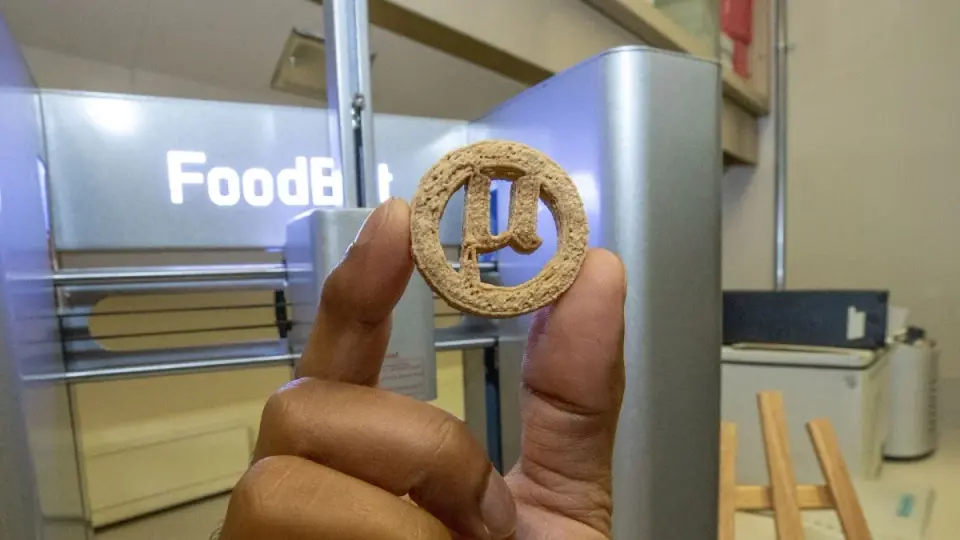
Researchers at Southern Illinois University Carbondale turn PET plastic into edible cookies called μBites by first breaking down plastic into a carbon-rich liquid through oxidative hydrothermal dissolution, then feeding it to engineered yeasts that synthesize proteins, fats, vitamins, and flavorings in a 32-step process. The dough is 3D-printed, can be microwaved, and the team envisions μBites helping address plastic pollution and global hunger (with potential space-food applications). However, taste tests are not yet performed, public acceptance remains a hurdle, and a consumer rollout is not imminent.
Topics:businesstechnology#edible-food#engineered-yeast#food-technology#plastic-upcycling#sustainability#technology
- Scientists made edible cookies out of plastic Mashable
- Hard to swallow? The future of snacking may be 3D-printed cookies made from upcycled plastic The Guardian
- Engineered yeasts help turn PET plastic and crop waste into protein-rich cookies Phys.org
- Here’s How Scientists Turned Plastic Bottles Into Nutritious Cookies Forbes
- Plastic bottles can be turned into edible, vanilla-flavour cookies New Scientist
Want the full story? Read the original reporting
Read on Mashable