Engineered Yeast Turns PET Plastic Into 3D-Printed Cookies for Space and Disaster Relief
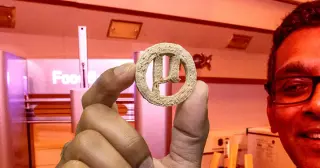
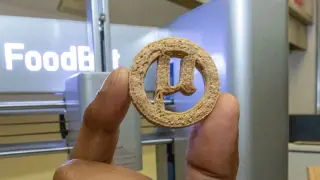
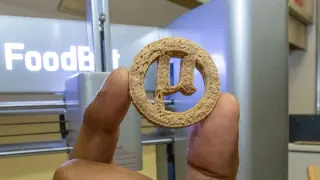
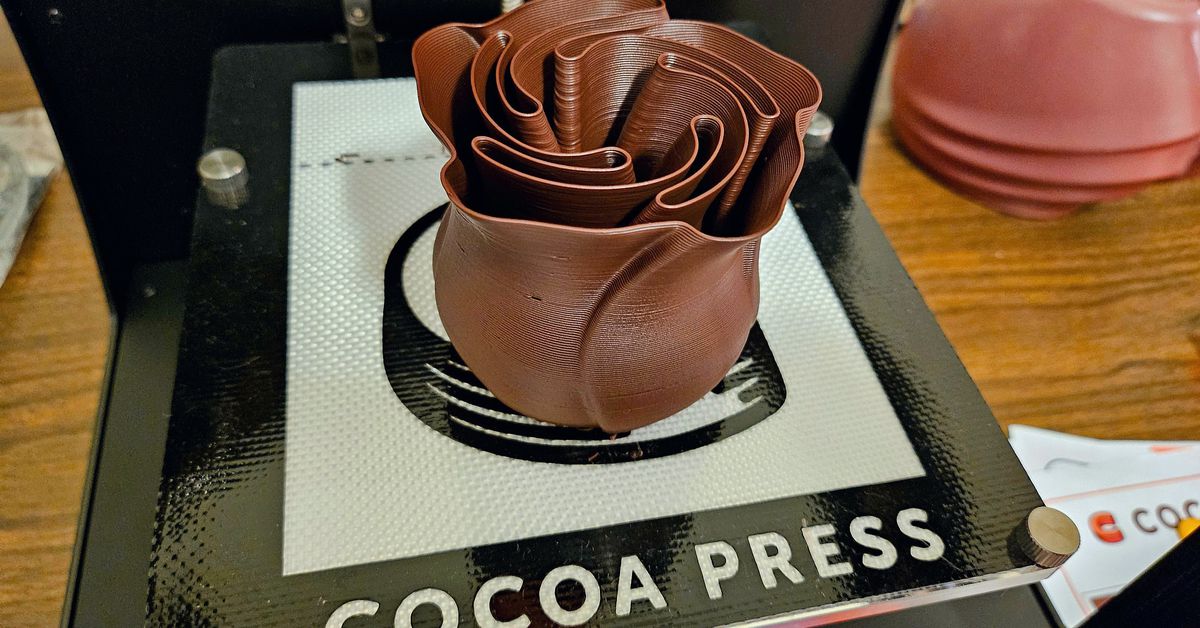
Researchers at Southern Illinois University Carbondale have developed 'µBites,' edible cookies created by converting PET plastic and agricultural waste into food-grade proteins and fats using engineered yeast. The 32-step process involves breaking down plastic via oxidative hydrothermal dissolution, feeding the resulting carbon-rich liquid to genetically modified microbes, and 3D-printing the output into cookie shapes. While the project aims to address food security in extreme environments like space missions and disaster zones, human taste tests are pending regulatory approval, and current production costs remain high at $60 per kilogram.