
Gates urges global AI regulation, warning of mass job displacement and bioterrorism risks
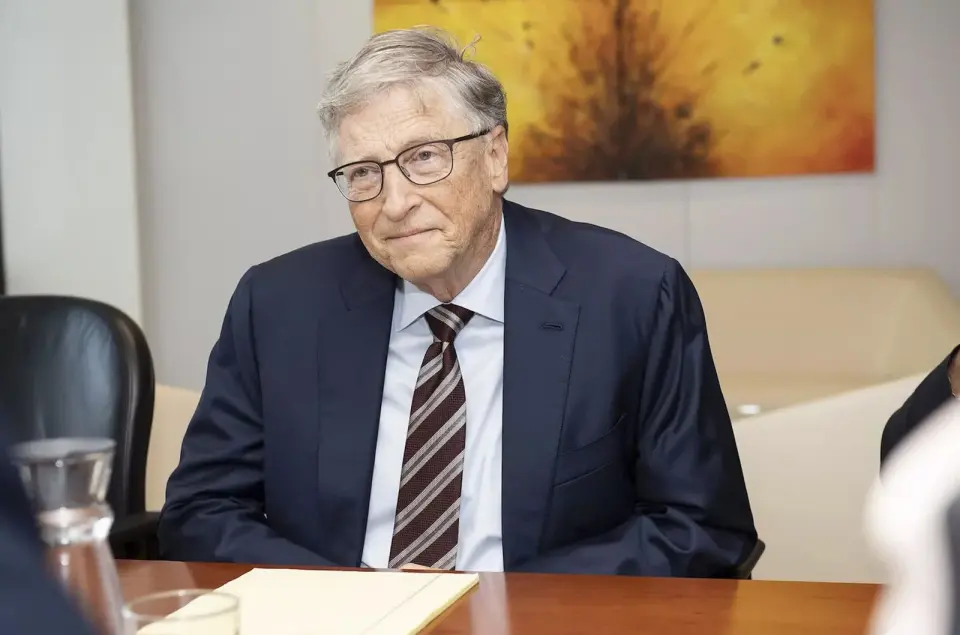
Bill Gates has published a lengthy essay arguing that artificial intelligence is advancing too rapidly for current voluntary safety measures. He proposes a 'token tax' to slow AI adoption, mandates for 'human-reserved' jobs, and international treaties to prevent bioterrorism, warning that the technology poses unique risks to employment and security.
Key points
- Gates argues AI is evolving at a 'mind-blowing rate,' outpacing the development of necessary regulatory frameworks and safety protocols.
- He proposes a 'token tax' on AI usage to increase the cost of replacing human workers and generate revenue for displaced employees.
- The essay calls for 'Human Reserved' roles, such as caregiving, to protect jobs that are difficult to automate or where human interaction is essential.
- Gates highlights the risk of AI aiding in the creation of dangerous pathogens, urging mandatory international reviews for models capable of such tasks.
- He notes that tech executives privately fear AI's trajectory but avoid public warnings to protect fundraising and investment cycles.
Background
This warning follows earlier debates about the effectiveness of halting AI development, with critics previously arguing that unilateral pauses are ineffective against rapid technological spread. Gates's stance marks a shift from his previous support for industry-led voluntary commitments, reflecting a growing consensus among some tech leaders that enforceable rules are now necessary.
How outlets are covering it
TechSpot emphasizes Gates's personal shock at the capabilities of Anthropic's Claude Code and his call for a 'token tax' to mitigate job losses. CBS News focuses on the economic impact, highlighting Gates's warning that AI will disrupt white-collar and blue-collar jobs within a decade, and his proposal for a tax on robots to counteract current incentives for automation. Politico frames the issue around geopolitical and security risks, noting Gates's support for international institutions to govern AI and his warning that bad actors could use the technology for cyberattacks and bioterrorism. While all sources agree on the urgency of regulation, they differ in emphasis: TechSpot highlights the private fears of executives, CBS focuses on labor market disruption, and Politico stresses the need for new global governance structures.
Why it matters
Gates's proposals could influence upcoming policy discussions in the US and internationally, particularly as public opinion turns against AI data centers and the technology's economic impact becomes more visible. His call for a 'token tax' and 'human-reserved' jobs represents a significant departure from the industry's prevailing view that AI's benefits will outweigh its disruptions, potentially shaping future labor and tax policies.
What to watch
Gates plans to raise AI safety concerns with world leaders, alongside global health issues. The outcome of his proposals will depend on the willingness of governments to adopt new regulatory frameworks and whether tech companies will comply with mandatory safety reviews for advanced AI models.
- Bill Gates says tech executives are privately terrified of AI, but won't say it publicly TechSpot
- Bill Gates Is Warning That A.I. Is More Dangerous Than Big Tech Will Admit The New York Times
- Bill Gates issues stark warning about AI's impact on American jobs CBS News
- Bill Gates warns AI could lead to mass unemployment, cyberattacks Politico
- Five Takeaways From Bill Gates’ Essay on AI’s Potential Risks Bloomberg
Want the full story? Read the original reporting
Read on TechSpot