
The Uncertain Lifespan of Software-Defined Vehicles: A $50,000 Smartphone Problem
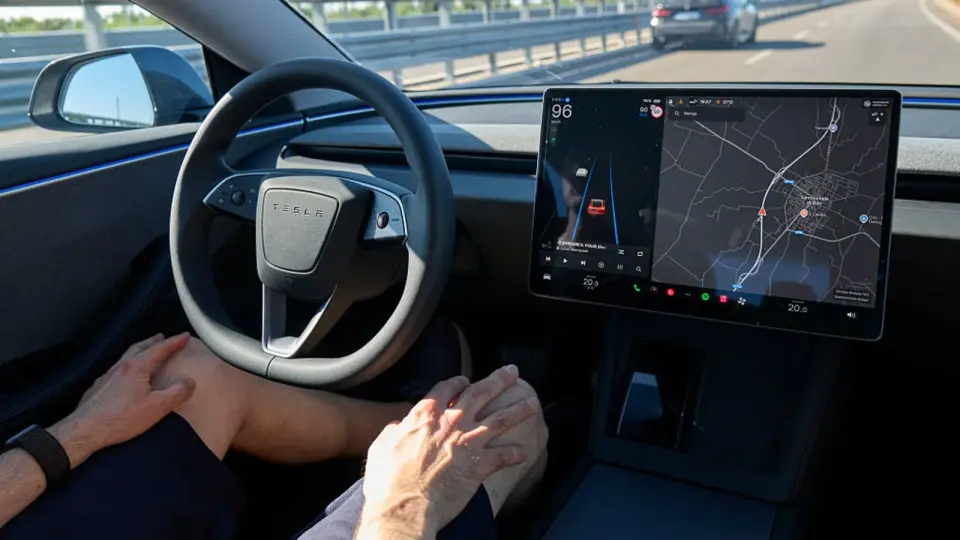
As the average US vehicle age hits 12.8 years, experts warn that complex software-defined cars may age faster than smartphones due to hardware limitations. While automakers like Rivian promise indefinite safety updates, feature support remains undefined, creating uncertainty for resale values and long-term repairability.
Key points
- The average US vehicle age has reached 12.8 years, yet analysts fear software-defined vehicles will become obsolete sooner due to hardware constraints.
- Tesla admitted in April 2026 that its 2016-2019 Hardware 3 vehicles require upgrades for unsupervised Full Self-Driving, contradicting earlier promises.
- Rivian is facing a class action lawsuit from first-generation owners claiming that no software update can enable advertised hands-free driving features on older hardware.
- Rivian’s Chief Software Officer states the company builds 'headroom' for 7-10 years of upgrades and commits to indefinite safety patches, but not indefinite feature support.
- The EU mandates five years of OS updates for phones but has no equivalent legal minimum for cars, leaving US consumers without guaranteed support timelines.
- Used car markets may split into two tiers: vehicles with active over-the-air support retaining value, and those without support losing value due to feature obsolescence.
Background
This issue follows broader trends in digital product lifecycles, such as Samsung ending major updates for the Galaxy S23 line after four years. While the archive notes recent regulatory and product developments in consumer electronics, the current story highlights a unique gap in automotive regulation compared to the EU’s ecodesign rules for smartphones.
How outlets are covering it
CNBC and The Next Web agree on the core uncertainty regarding vehicle longevity but differ in emphasis. CNBC focuses on the technical challenges of hardware obsolescence and the potential split in the used car market, citing J.D. Power’s Alex Yurchenko. The Next Web highlights the regulatory disparity, noting that while the EU mandates five years of updates for phones, no such law exists for cars. It also details the legal consequences for automakers, specifically the Rivian class action lawsuit and Tesla’s hardware upgrade requirements, which CNBC mentions but does not detail as a legal dispute. Both sources cite Sam Fiorani’s concern about hardware failing to handle new software, but The Next Web provides more specific context on the EU’s R156 regulation, which governs update management processes but not their duration.
Why it matters
Consumers face a $50,000 investment with no guaranteed support timeline, risking significant depreciation and loss of paid features. The lack of standardization in software support creates uncertainty for used car buyers and challenges the traditional automotive resale market, potentially forcing a shift toward manufacturer-certified programs and new right-to-repair legislation.
What to watch
Regulators may extend EU-style support mandates to vehicles, and automakers may be required to release software to third parties for maintenance. The first manufacturer to publish a fixed support period may set a new industry standard, while right-to-repair laws in the US could force companies like Rivian to unlock diagnostic menus and allow third-party repairs.
Want the full story? Read the original reporting
Read on CNBC