
AWS Confirms Permanent Data Loss in Gulf Data Centers After Iranian Strikes
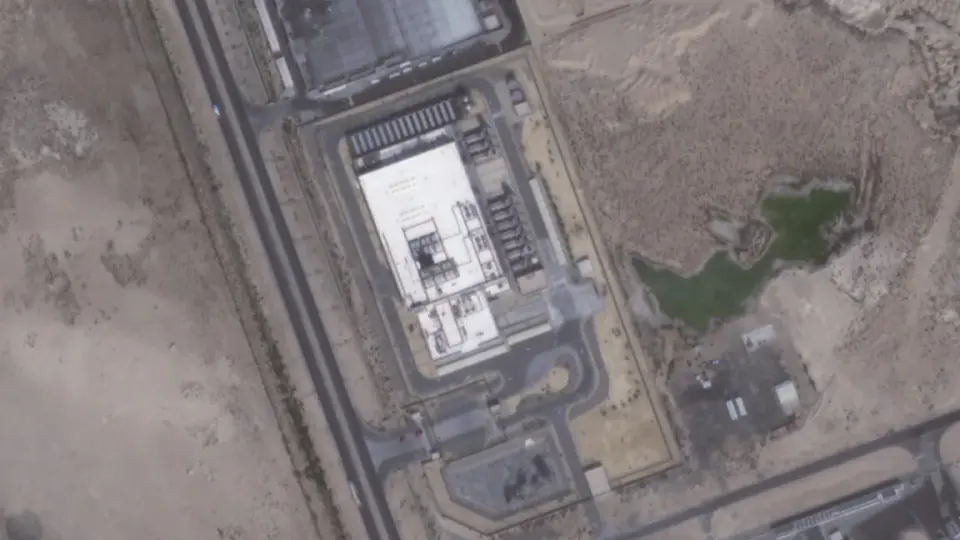
Amazon Web Services has officially acknowledged that customer data hosted in Bahrain and parts of the United Arab Emirates has been permanently lost following Iranian drone strikes in March 2026. The damage exceeded the resilience of AWS's multi-zone architecture, leading to the irreversible loss of resources in one UAE availability zone and all three zones in Bahrain. While AWS is restoring services in other UAE zones, it has suspended billing for affected regions and issued $150 million in credits, with full restoration in Bahrain not expected until early 2027.
Key points
- AWS confirmed on September 15 that it cannot restore access to data in the Bahrain region or the mec1-az2 availability zone in the UAE.
- Iranian drone strikes on March 1, 2026, damaged facilities in both countries, with a follow-up strike on April 1 and a missile strike on July 24 targeting remaining Bahrain infrastructure.
- The physical damage exceeded the design limits of AWS's regional and multi-AZ services, resulting in the permanent loss of customer data.
- AWS suspended customer billing in the affected regions and previously issued $150 million in credits to impacted customers.
- The company expects to provide updates on UAE restoration in the coming months and Bahrain restoration in early 2027.
Background
This incident occurs against a backdrop of surging demand for AI infrastructure in the Gulf region. Recent archive coverage highlights Amazon's $60 billion commitment to Qualcomm AI chips and the broader AI boom driving data center expansion. The UAE had planned massive projects like the 5-gigawatt Stargate campus, but these strikes have prompted a reassessment of security protocols, including underground facilities and blast-resistant construction.
How outlets are covering it
Ars Technica emphasizes the technical failure of AWS's redundancy systems, noting that the damage 'exceeded what our regional and multi-AZ services are designed to withstand.' CNBC highlights the business and geopolitical implications, focusing on the security risks for future data center developments in the Gulf and the potential shift toward hardened infrastructure. Both outlets agree on the permanent nature of the data loss but differ in emphasis: Ars focuses on the infrastructure failure, while CNBC focuses on the strategic and security consequences for the region's AI ambitions.
Why it matters
The permanent loss of data in major cloud regions signals a critical vulnerability in global digital infrastructure during armed conflict. It forces a reevaluation of data center security standards in geopolitically sensitive areas and may accelerate the adoption of hardened, underground facilities. For businesses, it underscores the risks of concentrating critical data in regions prone to geopolitical instability, potentially driving a shift toward more distributed or secure cloud architectures.
What to watch
AWS will continue restoration efforts in the UAE and provide updates in the coming months. For Bahrain, full restoration is not expected until early 2027. The incident may lead to revised security standards for data centers in the Gulf, including underground construction and enhanced missile defense, as the region seeks to maintain its position in the AI infrastructure market despite the risks.
- Iran strikes on Amazon data centers caused permanent loss of customer data Ars Technica
- AWS Says It Can’t Restore Some Data From Mideast Facilities Struck by Iran WSJ
- AWS says it can't restore service to Bahrain, UAE facilities 6 months after Iran strikes CNBC
- Amazon's AWS is unable to restore access to Bahrain, one UAE cloud data zone after war damage Reuters
- Amazon Fails to Recover Some Data in Facilities Hit in Iran War Bloomberg.com
Want the full story? Read the original reporting
Read on Ars Technica