
Meta Agrees to $16.7 Billion Settlement with 29 States Over Youth Safety Allegations
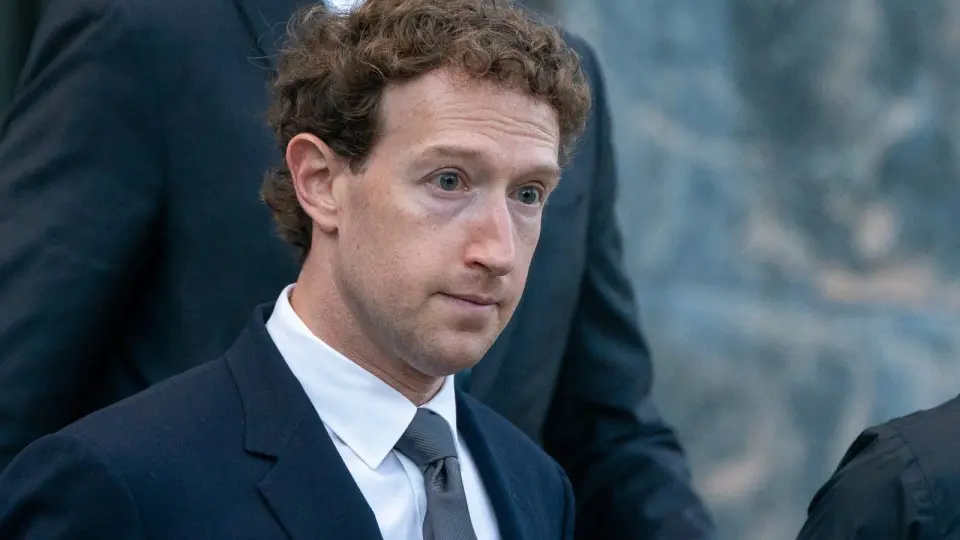
Meta has reached a preliminary settlement with a coalition of 29 state attorneys general, agreeing to pay $16.7 billion to resolve allegations that its platforms harmed children’s mental health. The agreement, detailed in a court filing, requires Meta to implement daily usage limits, nighttime blocks for teenagers, and enhanced age verification measures. California Attorney General Rob Bonta stated that the state could receive between $1.5 billion and $2.1 billion from the fund. Meta’s stock rose 5% in pre-market trading following the announcement, as the company agreed to fund youth safety initiatives over a 10-year period. The settlement also includes conditions requiring rival platforms like YouTube and TikTok to adopt similar safety features to access a portion of the funds.
Key points
- Meta agreed to pay $16.7 billion to settle a federal case brought by 29 states alleging it misrepresented risks to children.
- The settlement requires Meta to implement daily usage limits, nighttime blocks for teens, and enhanced age assurance measures.
- California is expected to receive $1.5 billion to $2.1 billion, with the total payout distributed in annual installments over 10 years.
- Meta’s stock rose 5% in pre-market trading after the settlement news broke.
- The agreement includes provisions requiring YouTube and TikTok to implement similar safety features to access 30% of the funds.
Background
This settlement follows a 2023 lawsuit filed by a coalition of state attorneys general seeking $200 billion in damages for allegedly addictive design practices. Earlier in 2026, a Florida teenager withdrew a similar individual lawsuit against Meta after settling with other platforms, signaling a broader trend in youth-harm litigation. The current case represents a significant escalation, moving from individual claims to a coordinated state-level action that resulted in a multi-billion dollar resolution before the trial concluded.
How outlets are covering it
CNBC reports that the settlement involves a bipartisan coalition of 51 attorneys general and emphasizes the immediate financial impact on Meta, including a $10 billion legal expense accrual in Q3 2026. Engadget highlights the internal tensions revealed during the trial, noting that Instagram head Adam Mosseri testified that he was unaware of efforts to limit his access to data regarding teen safety. While CNBC focuses on the structural changes and financial terms, Engadget underscores the credibility challenges Meta faces regarding its internal transparency and the effectiveness of existing safety tools like 'take a break,' which had low adoption rates.
Why it matters
This settlement establishes a precedent for holding major tech companies financially liable for youth safety failures and mandates specific design changes such as usage limits and age verification. It signals a shift from voluntary safety measures to legally enforced standards, potentially influencing how other platforms like TikTok and YouTube structure their apps. The financial burden on Meta, including a $10 billion expense, may impact its future investment in AI and other growth areas, while the requirement for rivals to match safety standards could reshape the competitive landscape of social media.
What to watch
The settlement must be officially approved by the court to become final, after which all parties will waive the right to appeal. Meta is expected to implement the required app changes within months. The company will also need to monitor compliance by YouTube and TikTok to ensure the full distribution of funds. Further testimony from Mark Zuckerberg and other executives may still occur, though the settlement may limit the scope of the trial. Regulators will likely track the effectiveness of the new safety features in reducing youth harm.
- Meta settles social media addiction case with California, other states for $16.7 billion CNBC
- Meta to Pay Up to $17.1 Billion in Landmark Settlement Over Social Media Addiction Claims The New York Times
- Meta reaches $16.68 billion settlement over social media harms to children Reuters
- Adam Mosseri says it's 'news to me' that Instagram employees limited his exposure to teen safety data Engadget
- Meta, States Agree to Settle Teen Social Media Harm Case Bloomberg
Want the full story? Read the original reporting
Read on CNBC