Tag

Wearables

All articles tagged with #wearables

Google Health lands, but Fitbit fans want the old app back
gadgets6 hours ago

Google Health lands, but Fitbit fans want the old app back

Google Health has replaced the Fitbit app with an AI-driven interface, prompting confusion and frustration as users navigate a redesigned Today screen, limited quick access to stats, and an AI health coach. Some users appreciate the coaching features, but many want the old Fitbit app back and complain about scrolling through long AI notes and cluttered data presentation. Google notes that with a connected wearable you’ll see extra tabs for Fitness and Sleep, and third‑party wearables may be supported later, plus the AI coach can be disabled via Privacy Controls. The transition coincides with the launch of the Fitbit Air.

Luna Band debuts in July as subscription-free rival to Fitbit Air
wearables7 hours ago

Luna Band debuts in July as subscription-free rival to Fitbit Air

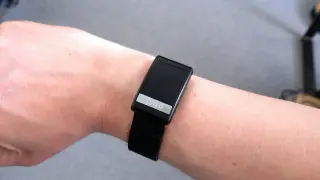
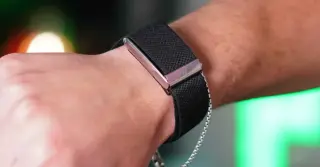
Luna Band, Luna’s screenless fitness tracker unveiled at CES 2026, will ship starting July 31 with pre-orders opening July 4. It tracks activity, sleep, nutrition and medical data, runs LifeOS with Siri/Gemini integration and voice logging, and reportedly does not require a subscription—unlike Fitbit Air or WHOOP—with up to 10 days of battery life; pricing has not been announced.

Fitbit Air: A Featherweight Tracker Fueled by Google's AI Health Coach
technology13 hours ago

Fitbit Air: A Featherweight Tracker Fueled by Google's AI Health Coach

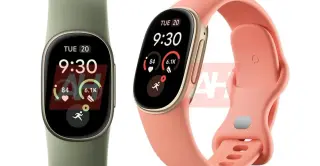
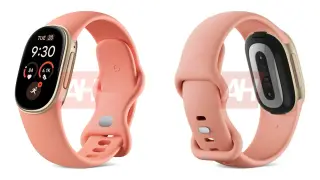
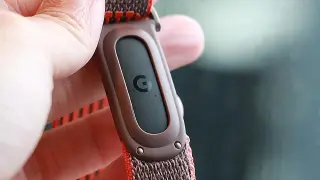
The Fitbit Air is a 12g, screen-free fitness band with a week-long battery and robust health sensors, designed to work with Google Health and a paid AI health coach that analyzes workouts and offers actionable guidance. It aims to help non-fitness enthusiasts improve sleep and overall health, with data integrated across devices, and launches May 26 at $99.

Apple Watch at a crossroads as screenless wearables gain ground
technology20 hours ago

Apple Watch at a crossroads as screenless wearables gain ground

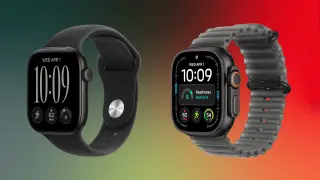
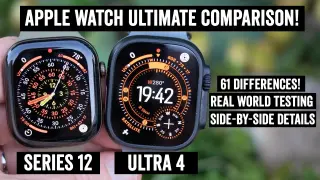
Apple’s 11-year-old Watch is losing momentum as rivals Whoop, Oura, and Google-backed Fitbit Air push screenless health tracking focused on recovery and sleep. Leadership churn at Apple—retirements and exits across health, hardware, and marketing—amid a push to simplify Health and pursue AI-driven services. Oura’s confidential IPO filing signals competitive pressure, while Apple’s Health app remains cluttered and less actionable. watchOS 27 will be incremental, with heart-rate improvements and AI features drifting into iOS 27 more broadly, and a glucose-monitoring project—once a Jobs-era ambition—still progress-laden. The market is expanding beyond wrists toward glasses and other devices, pressuring Apple to decide whether to lead a screenless, AI-powered health era or risk falling behind.

Apple Bets on Subtle AI Glasses That Look Like Everyday Eyewear
technology1 day ago

Apple Bets on Subtle AI Glasses That Look Like Everyday Eyewear

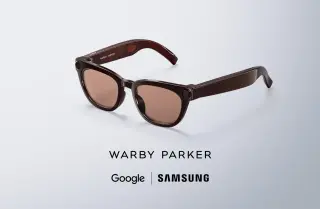
Apple is reportedly developing lightweight, display-free AI glasses that prioritize AI-driven usefulness, gesture controls, and Siri integration over AR visuals. A dual-camera system (high-res for photos/videos and a low-res gesture/AI camera) enables hands-free interaction, while a tethered design and premium acetate frames aim for all-day wear and efficient power use. Expect future Siri enhancements and iOS 27 integration, with a likely 2027 launch, signaling a shift toward practical, ecosystem-focused wearables.

Galaxy Watch 6 Aims to Predict Fainting Before It Happens
gadgets1 day ago

Galaxy Watch 6 Aims to Predict Fainting Before It Happens

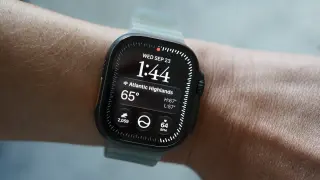
Samsung says the Galaxy Watch 6 will include a fainting-prediction sensor developed with Chung-Ang University Hospital, capable of forecasting vasovagal syncope up to five minutes before episodes with over 84% accuracy (90% sensitivity, 64% specificity) in early clinical trials. If commercialization proceeds, this proactive warning could reduce injuries from fainting and edge out competitors like Apple, though the tech remains in clinical testing for now.

AI-Guided Mood Plan Yields 55% Depression Remission in Trial
health-technology4 days ago

AI-Guided Mood Plan Yields 55% Depression Remission in Trial

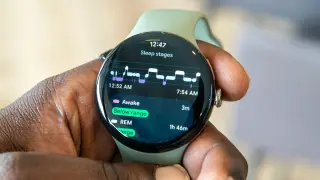
UC San Diego researchers used two weeks of smartwatch data and EMA mood logs to train a personalized machine‑learning model that identifies each participant’s top mood drivers and pairs them with tailored, remote coaching to create an individualized Mood Augmentation Plan (iMAP). Over six weeks, 55% of participants showed depression remission on PHQ-9, anxiety decreased 36%, and benefits persisted for three months post-intervention, suggesting a scalable, data‑driven approach to personalized depression care.

Valve Steam Controller Puck Could Shock Metal Watch Straps
technology4 days ago

Valve Steam Controller Puck Could Shock Metal Watch Straps

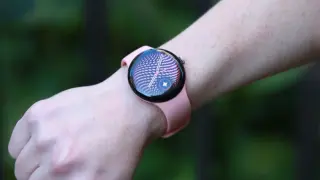
A Reddit post describes the exposed contacts on Valve’s Steam Controller Charging Puck remaining live and shorting with a Pixel Watch 4 wearing a third‑party strap, leaving scorch marks. Valve’s Steam Hardware team has reached out to offer a replacement puck and to inspect the charger and watch. No injuries occurred and neither device stopped working. Meanwhile, users are advised to keep the puck away from other chargers and handle it carefully while plugged in, with ongoing questions about whether the issue could have been caught before launch.

Google Health Community Replaces Fitbit Forum, Old Threads Lose Accessibility
news4 days ago

Google Health Community Replaces Fitbit Forum, Old Threads Lose Accessibility

Google has migrated the Fitbit Community to Google Health Community, folding Fitbit into its broader health ecosystem. The redesigned forum now covers the Google Health app, Google Fitbit Air, and existing devices like Sense, Versa, Inspire, and Ace, while older Fitbit discussions are harder to access, potentially erasing years of troubleshooting and support content.

Google overhauls search with AI agents, YouTube answers, and wearables
technology4 days ago

Google overhauls search with AI agents, YouTube answers, and wearables

Google is reshaping its core search product by expanding the search box for longer, chat-style queries, adding AI-generated summaries, and introducing information agents that can monitor recurring queries; the company also extends AI across services (Ask YouTube, Gemini 3.5 Flash and Spark), and is piloting AI glasses with partners, signaling a broader strategy to embed AI into products and hardware to defend against standalone chatbots.

Robot exoskeleton boosts Grand Canyon endurance, not a miracle
technology6 days ago

Robot exoskeleton boosts Grand Canyon endurance, not a miracle

A reviewer tests the Hypershell X Ultra S exoskeleton on a Grand Canyon hike, finding it extends endurance and reduces fatigue enough to finish a two‑mile rim hike and about 12,000 steps without using his cane, but it’s not a cure for disability or a superhero device. The app‑controlled, ~5‑pound unit uses a back‑mounted battery with motors at the hips, offers modes like Eco/Hyper/Transparent/Fitness, and claims ~30 km (18.6 miles) of range with a spare battery. Real‑world results vary by terrain and fitness, and the device is pricey (about $1,999 for the X Ultra S).

Samsung’s July Unpacked 2026: Foldables, Wearables, and AR Glasses Lead London Show
technology6 days ago

Samsung’s July Unpacked 2026: Foldables, Wearables, and AR Glasses Lead London Show

Samsung is rumored to unveil a wave of new devices at a July 22, 2026 event in London, including the Galaxy Z Fold 8, Galaxy Z Flip 8, Galaxy Fold Wide, Galaxy Watch 9, and its first smart glasses, Galaxy Glasses. The lineup emphasizes thinner, lighter foldables with improved displays and battery life, a wider Fold Wide design for productivity, incremental wearables upgrades, and AI-powered AR features through the glasses.

Android XR display glasses emerge at Google I/O, hinting at a smarter future for wearables
wearables6 days ago

Android XR display glasses emerge at Google I/O, hinting at a smarter future for wearables

At Google I/O, Android Central tester tries Google’s monocular Android XR glasses and Xreal’s Project Aura, finding display glasses more exciting than audio-only models: Aura uses dual OLED displays driven by a power puck with gesture controls, while Google’s prototype offers in‑lens widgets like Translate and Maps, suggesting practical AR in everyday wear as Samsung and others prep their own display glasses for launch.

Hypershell Elevates Trail Power With Slimmer, Smarter Exoskeletons
gadgets6 days ago

Hypershell Elevates Trail Power With Slimmer, Smarter Exoskeletons

Hypershell debuts three slimmer S-series exoskeletons—X Pro S, Max S, and Ultra S—boosting athletic performance with AI motion-detection that reduces response delay; they deliver up to 1,000W, 22N of torque, and up to 15 mph, with Ultra S offering an 18‑mile range and swappable batteries. The company emphasizes they are not medical devices, and users should still plan for extra batteries on long trips.