
Micron’s 2027 Outlook Hinges on HBM Supply Crunch and Taiwan Labor Disputes
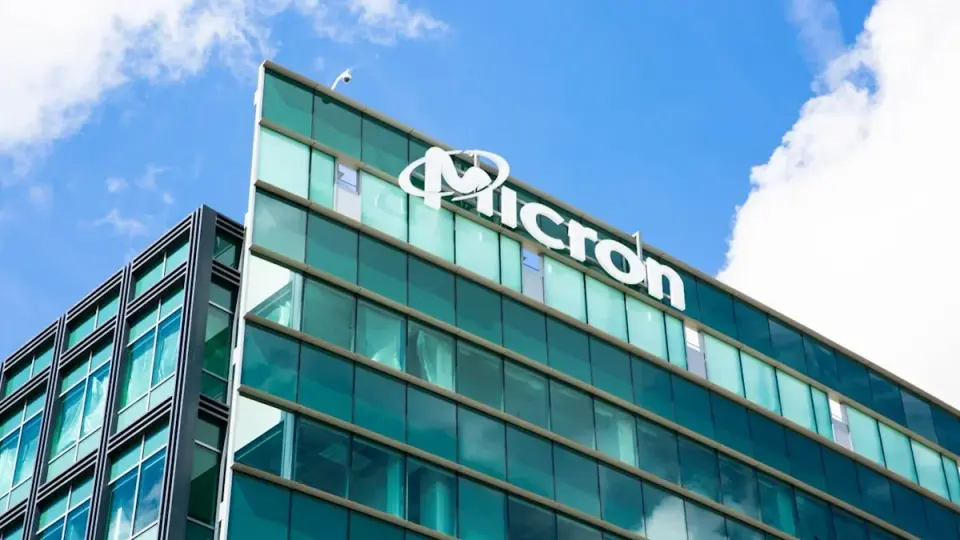
Micron Technology faces a critical 2027 outlook where high-bandwidth memory (HBM) demand outpaces standard DRAM supply, driving prices and margins to record levels. Analysts project potential share price gains to $1,600, driven by committed contracts and tight supply, though volatility remains high due to labor disputes in Taiwan and cyclical market risks.
Key points
- HBM consumes three to four times the wafer capacity of standard DRAM, creating a severe supply bottleneck for conventional memory.
- Micron has committed over 75% of its fiscal 2027 shipments, with 26 strategic customer agreements extending through 2030.
- The company’s gross margin reached 86.8% in the last quarter, up from 44.7% a year earlier, reflecting peak pricing power.
- A planned $4.5 billion fab in Taoyuan, Taiwan, was paused due to labor disputes, threatening 15% of fiscal 2026 capital spending.
- Wall Street consensus targets suggest approximately 101% upside, with some analysts forecasting shares could reach $1,600 by 2027.
Background
Micron has experienced significant volatility in 2026, including a 20% decline in October despite record fiscal 2026 revenue of $133.19 billion. Earlier concerns about Chinese competition and memory price stagnation have been overshadowed by the current AI-driven shortage. The company has exited the consumer RAM market to prioritize server and AI demand, with new manufacturing facilities not expected to ramp up until 2028.
How outlets are covering it
Yahoo Finance emphasizes the potential for Micron to reach $1,600 in 2027, citing strong committed volumes and higher HBM pricing. Seeking Alpha highlights the buy case based on strategic contracts covering over 35% of revenue through 2030 and improved HBM pricing. TIKR focuses on the volatility caused by the Taoyuan fab pause and labor disputes, noting that while demand is strong, supply constraints and margin sustainability are key risks. All sources agree on the tight supply and high margins but differ on the risk of cyclical downturns and labor issues.
Why it matters
The memory shortage impacts AI infrastructure costs and availability, influencing broader tech sector investments. Micron’s performance serves as a bellwether for the semiconductor cycle, with potential implications for AI data center spending and consumer electronics pricing. The company’s ability to manage supply constraints and labor disputes will determine its long-term profitability and market position.
What to watch
Micron’s fiscal first-quarter report, expected in mid-December, will test whether revenue lands within the $60 billion to $63 billion range and if gross margins hold near 86%. The outcome of labor negotiations in Taoyuan and the ramp-up of new fabs in Idaho and other locations will be critical for meeting 2027 demand. Analysts will monitor whether the current pricing power sustains or if cyclical downturns emerge.
- DRAM Just Got More Expensive Than AI Memory. Here’s Why Micron Could Soar in 2027 Yahoo Finance
- Why Micron Stock Is a Screaming Buy Before Year-End The Motley Fool
- Micron: HBM Repricing Strengthens The Buy Case After The Selloff (NASDAQ:MU) Seeking Alpha
- What Micron Stock Needs to Mount a Serious Rally Barron's
- Micron Jumps 12% as CoreWeave’s “Breakout Quarter” Revives the Memory Trade TIKR.com
Want the full story? Read the original reporting
Read on Yahoo Finance