
Microsoft Expands Voluntary Buyouts to 60,000 Staff Amid AI Spending Pressure
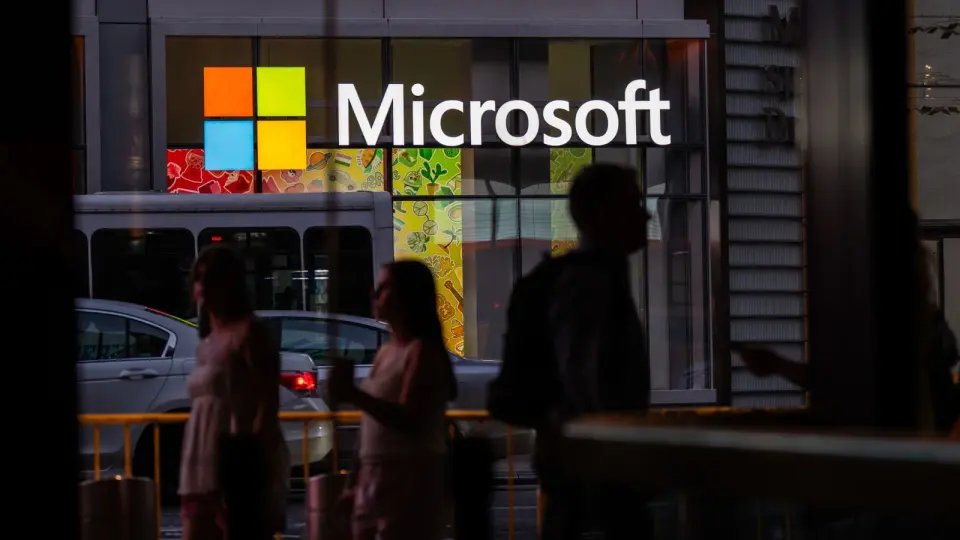
Microsoft announced a new voluntary exit offer for approximately 60,000 employees across the U.S., Canada, India, and the U.K. on October 26, 2026. The program targets staff at internal level 70 and below, including some vice presidents, and requires decisions by early December with departures effective December 31. This move follows a spring voluntary retirement program and July layoffs, aiming to manage costs while investing heavily in AI data centers. Participation is selective, excluding sales and certain engineering teams, and offers standard severance packages without age or tenure requirements.
Key points
- Microsoft is offering voluntary buyouts to roughly 60,000 employees, representing about 27% of its 223,000-person workforce.
- The offer applies to staff at internal level 70 and below in the U.S., Canada, India, and the U.K., including some vice presidents but not corporate vice presidents.
- Employees must decide by early December, with those accepting the offer leaving the company on December 31, 2026.
- Participation is selective; sales organizations, some engineering groups, and certain corporate functions are excluded from the program.
- The buyout package mirrors standard severance, including base pay based on tenure, stock vesting, and healthcare coverage, but lacks the extended healthcare benefits of the earlier retirement program.
- Microsoft anticipates a lower acceptance rate than the 30% seen in its April voluntary retirement program, which targeted older, tenured U.S. workers.
Background
This development follows Microsoft’s first-ever voluntary retirement program in April 2026, which targeted about 7% of U.S. employees, and subsequent layoffs of 4,800 staff in July. The company has been investing tens of billions in AI infrastructure to support clients like OpenAI and Anthropic, straining its finances. In Q2 2026, Microsoft reported $19.64 billion in positive free cash flow, down 23% year-over-year, while rivals Alphabet and Amazon reported negative free cash flow. The new initiative reflects a shift toward voluntary departures as a tool for workforce management, potentially becoming a regular practice, as noted by Chief People Officer Amy Coleman in July.
How outlets are covering it
CNBC emphasizes the scale of the buyout, noting it affects 27% of the workforce and is driven by the need to balance AI infrastructure costs with capital efficiency. Business Insider highlights the memo from Amy Coleman, stressing that the offer provides 'flexibility' and 'career planning resources' while noting that some teams are excluded based on business priorities. GeekWire focuses on the inclusion of executives at level 70, contrasting this with the earlier retirement program’s age and tenure requirements, and notes that Microsoft expects a lower acceptance rate due to the broader, less tenured eligibility pool. All sources agree that the move is part of a broader strategy to manage costs amid heavy AI investment, but they differ in emphasis: CNBC on financial pressure, Business Insider on employee choice, and GeekWire on the structural shift in workforce management.
Why it matters
The voluntary exit offer signals Microsoft’s ongoing effort to optimize its workforce in the face of massive AI infrastructure spending. By offering buyouts to a broader group, including some executives, the company aims to reduce costs without resorting to large-scale involuntary layoffs. This move may set a precedent for other tech companies facing similar pressures, as they seek to balance innovation investment with financial sustainability. The selective nature of the program, excluding key sales and engineering teams, suggests a strategic approach to maintaining core capabilities while trimming non-essential roles.
What to watch
Microsoft will report third-quarter earnings on October 28, 2026, which may include projections for the cost of the new buyout offer. The company will monitor acceptance rates, which are expected to be lower than the 30% seen in the April retirement program. If successful, Microsoft may consider making voluntary exits a regular part of its workforce management strategy, potentially on an annual or ongoing basis. The company will also continue to redeploy employees into new roles, as it has done with over 4,000 staff in the past year.
- Microsoft offers voluntary buyouts to 60,000 employees CNBC
- Microsoft to Offer Buyouts to 60,000 Workers in Latest Cost Cut Bloomberg.com
- Microsoft is offering buyouts to around 60,000 employees. Read the memo. Business Insider
- Microsoft makes new 'voluntary exit' offer to about a quarter of its workforce, including some execs GeekWire
- Microsoft offers mass buyouts for roughly a quarter of its workforce The Seattle Times
Want the full story? Read the original reporting
Read on CNBC