
Mosseri Testifies in Meta Trial, Defends Teen Safety Feature Rollout
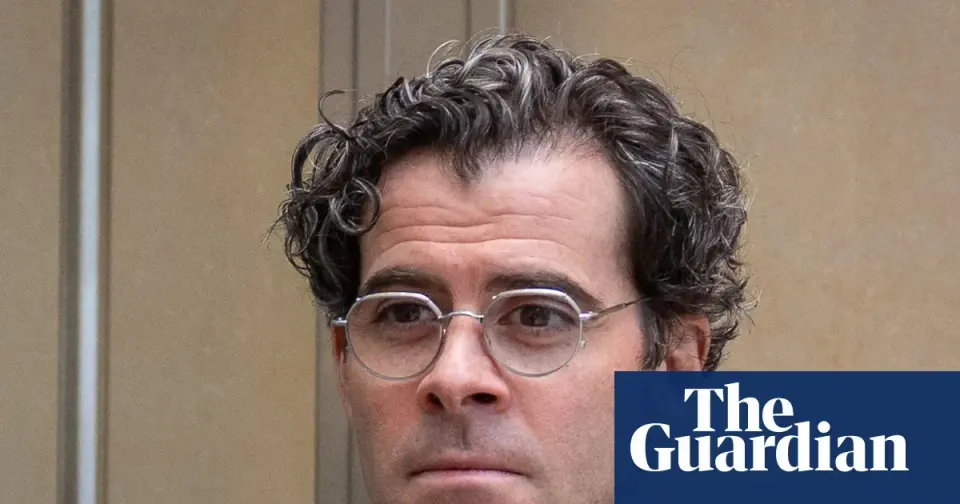
Instagram CEO Adam Mosseri testified in a federal trial against Meta, denying that the company concealed low adoption rates for teen safety tools. Prosecutors argued that features like 'Take a Break' were stalled despite poor uptake, while Mosseri maintained that the company prioritized transparency and progress. The trial, brought by 29 US states, alleges Meta designed addictive products that harmed youth mental health, with potential damages reaching $200 billion.
Key points
- Adam Mosseri, Instagram's CEO, testified in a federal trial in Oakland, California, where 29 US states accuse Meta of designing addictive products that harm young people.
- Prosecutors questioned Mosseri about the 'Take a Break' feature, noting that only 1.8% of teens opted in, and argued that Meta delayed making it a default setting for three years.
- Mosseri denied hiding data, stating that the company did not publish every statistic and that low adoption rates were known but not always disclosed with specific numbers.
- The trial alleges that Meta collected data on children under 13 without parental consent and designed features that led to anxiety, depression, and suicide among teens.
- If found liable, Meta could face damages up to $200 billion and be forced to redesign its products to be safer for children.
Background
This trial follows earlier testimony from former Meta employees and whistleblowers who alleged that the company ignored internal warnings about the harmful effects of its platforms on children. Previous coverage highlighted concerns that Meta's leadership culture prioritized profit over safety, leading to default settings that exposed teens to harmful content. The lawsuit seeks not only financial damages but also changes to Meta's algorithms and data collection practices, particularly regarding users under 13.
How outlets are covering it
The Guardian and NBC Bay Area reported that Mosseri appeared composed but annoyed when questioned about the 'Take a Break' feature, emphasizing that the company had made progress and wanted to communicate it. Gizmodo highlighted the tension between business interests and safety, noting that 'Take a Break' reduces ad revenue, which may explain the slow rollout. Prosecutors, including Colorado's Jason Slothouber, argued that Meta used 'drumbeat messaging' to promote safety features without disclosing their low effectiveness. Meta's defense, as reported by all sources, contends that the states are chasing an 'outlandish payout' and that the company has industry-leading safety teams. The sources agree on the facts of the testimony but differ in emphasis: The Guardian focuses on the legal implications, Gizmodo on the business conflict, and NBC Bay Area on the real-time courtroom dynamics.
Why it matters
The outcome of this trial could set a precedent for how social media companies design and market their products to young users. If Meta is found liable, it may face significant financial penalties and be forced to change its algorithms and data collection practices, potentially impacting the entire tech industry. The trial also highlights the growing scrutiny of social media's impact on mental health and the need for greater transparency in how companies handle safety features and user data.
What to watch
The trial is expected to continue through September, with additional witnesses, including Meta CEO Mark Zuckerberg, testifying. The jury will weigh the evidence presented by both sides, including internal documents and expert testimony, to determine whether Meta's actions harmed young people. The outcome could influence other lawsuits and regulatory actions against social media companies, potentially leading to stricter regulations on data collection and product design for minors.
- Instagram CEO denies company hid low use of teen safety feature in Meta trial The Guardian
- At Trial, Instagram Head Denies Having ‘Stalled’ Teen ‘Take a Break’ Feature Despite Slow Rollout Gizmodo
- Instagram CEO Adam Mosseri takes stand in landmark Meta trial over child safety NBC Bay Area
- Instagram head Mosseri, at children's addiction trial, says few teenagers knew of safety feature Reuters
- Ex-Meta Staffer Says 99% of Teens Shunned Early Safety Tool Bloomberg.com
Want the full story? Read the original reporting
Read on The Guardian