
Neocloud Debt Crisis Threatens AI Infrastructure as CoreWeave Faces Default Fears
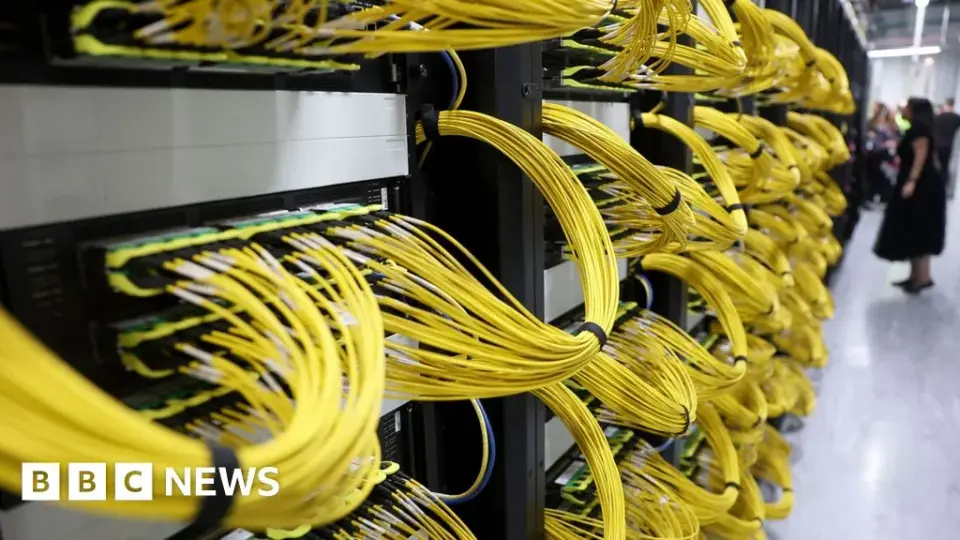
Investors are increasingly worried about the financial stability of 'neocloud' firms, which lease AI computing power to giants like Microsoft and Meta. These companies, including CoreWeave and Nebius, carry massive debt loads to build data centers, with CoreWeave alone holding over $35 billion in debt. Recent stock declines and rising bond yields suggest that if AI spending slows, these firms could face default, potentially triggering a broader market crash. While some analysts view the current dip as a buying opportunity, others warn that the sector's reliance on long-term contracts and high interest rates creates significant systemic risk.
Key points
- CoreWeave, the largest neocloud firm, has accumulated $35.1 billion in debt, using long-term lease contracts with major tech companies as collateral.
- Stocks for neocloud firms like CoreWeave, Nebius, IREN, and Applied Digital have dropped by approximately 25-30% in recent months due to concerns over AI spending.
- Gartner predicts that 80% of neocloud firms will cease independent operations by 2030, while Forrester expects several to be acquired due to financial instability.
- Many neocloud firms originated from crypto mining, leveraging existing infrastructure for AI workloads, but now face high debt servicing costs and customer concentration risks.
- Treasury Secretary Scott Bessent downplayed the sector's importance, calling it a 'small component' of the overall AI ecosystem, despite growing investor anxiety.
Background
This story follows earlier concerns about AI bubble risks, including a significant correction in China's tech sector in late 2026 and debates over Anthropic's growth sustainability. The current focus shifts from software valuations to the physical infrastructure layer, highlighting how debt-fueled expansion in data centers could amplify market volatility.
How outlets are covering it
BBC emphasizes the structural debt risks and the potential for 'collateral damage' if AI spending slows, noting that neoclouds are highly dependent on a few large customers. Seeking Alpha (via Tech Contrarians) argues that while the neocloud sector is flawed, the broader AI bubble may not burst until 2027, suggesting that current dips are buying opportunities for fundamentally strong companies. Startup Fortune highlights the extreme risk in bond markets, noting that CoreWeave's credit default swaps imply a 63% probability of default within five years, and warns that the sector's reliance on single-customer contracts makes it vulnerable to sudden cancellations, such as Microsoft's recent withdrawal from Nscale.
Why it matters
The stability of neocloud firms is critical to the AI infrastructure supply chain. If these companies default, it could disrupt the computing power available to major AI developers and trigger a broader credit crisis, affecting pension funds and other investors who hold these debt instruments. The sector's financial health is a key indicator of whether AI spending is sustainable or a bubble.
What to watch
Investors will watch for further signs of stress in neocloud debt markets, including rising bond yields and potential defaults. The upcoming IPOs of Anthropic and OpenAI may also influence sentiment, as their financial health is closely tied to the demand for neocloud services. Analysts expect continued volatility in the sector as interest rates and AI spending forecasts evolve.
- Neoclouds: These firms you've never heard of are feeding fears the AI bubble could burst BBC
- Smart Investor: AI Sells Off, Anthropic’s IPO Outlook, and Income for Bond Investors Morningstar
- Tech Bubble Will Pop In 2027 (undefined:ANT) Seeking Alpha
- Anthropic IPO Nears as Investors Sell AI Stocks to Buy More AI? bloomingbit
- Obscure neocloud lenders, not Nvidia, are where the AI bubble could burst first Startup Fortune
Want the full story? Read the original reporting
Read on BBC