
"Neuralink's Impact: Examining the Ethical and Scientific Implications of Elon Musk's Brain Technology"
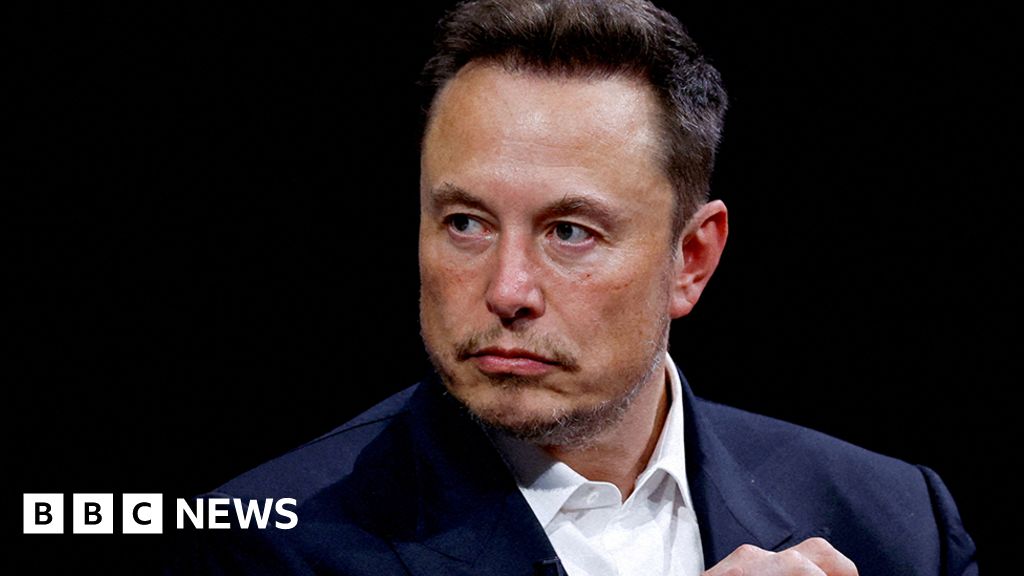
Elon Musk's Neuralink division has successfully implanted its first wireless brain chip into a human, with the long-term goal of achieving "human/AI symbiosis." The technology, known as a brain-computer interface (BCI), aims to decode movement intention and has potential applications in paralysis treatment and complex neurological conditions. While some experts are skeptical about the practicality and risks of invasive surgery for consumer applications, others see potential in addressing problems like treatment-resistant depression and dementia. However, the widespread use of this cutting-edge technology is still decades away, and Musk envisions it as a means to protect humanity from the risks of Artificial Intelligence (AI).
- Neuralink: Can Musk's brain technology change the world? BBC.com
- Elon Musk's Neuralink brain chip: what scientists think of first human trial Nature.com
- Statement from the Physicians Committee on Neuralink's Purported Patient Implant Physicians Committee for Responsible Medicine
- Elon Musk startup implanted a brain chip into a human. Gupta explains how it works CNN
- Elon Musk’s Neuralink raises question about how moral future humans might be Fox News
Reading Insights
0
12
5 min
vs 6 min read
91%
1,152 → 103 words
Want the full story? Read the original article
Read on BBC.com